Why Does Your Cat Suddenly Lose Interest in a Food It Once Loved?
A cat that once eagerly finished every meal may suddenly walk away from its favorite food, sniff the bowl without taking a bite, or eat only a few mouthfuls before losing interest. This change can be confusing, especially when the food itself has not changed.
If your cat suddenly loses interest in a food it once loved, the explanation may involve more than simple pickiness. Changes in smell, food freshness, stress, feeding conditions, dental discomfort, nausea, or an underlying medical problem can all affect a cat’s willingness to eat.
Understanding why this happens is important because cats can develop serious health complications when they do not consume enough food. The key is to distinguish an ordinary change in food preference from a possible warning sign that requires veterinary attention.

1. Why Your Cat Suddenly Rejects a Favorite Food
Cats rely heavily on their sense of smell when deciding whether food is appealing. Even a small change in the food’s aroma, texture, temperature, or freshness can influence their response. However, a sudden refusal may also reflect changes in how your cat feels rather than a problem with the meal.
Changes in Food Smell, Texture, and Freshness
A food your cat previously enjoyed may become less appealing if its smell or consistency changes. This can happen even when you continue buying the same product.
Common reasons include:
- Changes in the recipe: Manufacturers may adjust ingredients, fat content, or texture without making the change obvious.
- Food oxidation: Exposure to air, heat, and light can affect fats and reduce the freshness of food.
- Improper storage: Opened wet food can lose its appealing smell and texture when left uncovered or stored incorrectly.
- Serving temperature: Food taken directly from the refrigerator may have a weaker aroma than food served closer to room temperature.
- Different batches: Small variations between production batches may affect the smell or consistency.
Cats can be particularly sensitive to these differences. A meal that smells slightly different to you may seem completely unfamiliar to your cat.
Before assuming that your cat has developed a new food preference, check the expiration date, packaging condition, storage instructions, and appearance of the food.
2. Health Problems That Can Make Your Cat Reject Familiar Food
When a cat suddenly refuses a meal it previously enjoyed, an underlying health problem should always be considered. Cats do not necessarily stop eating completely when they feel unwell. Sometimes, they simply begin eating smaller portions, approach their bowl and walk away, or show interest in treats while refusing their regular meals.
Dental Pain, Nausea, and Changes in Smell
Several medical conditions can interfere with a cat’s appetite.
1. Dental disease and mouth pain
Dental problems are among the important causes of changes in feline eating habits. Gingivitis, periodontal disease, and tooth resorption can make chewing uncomfortable.
A cat experiencing dental pain may:
- Approach its food but hesitate before eating.
- Chew slowly or drop pieces from its mouth.
- Prefer soft food instead of dry kibble.
- Drool more than usual.
- Develop unpleasant breath or paw at its mouth.
According to the Cornell Feline Health Center, dental disease can cause significant discomfort and may lead cats to reduce or stop eating.

2. Nausea and digestive discomfort
Nausea can make a previously attractive meal suddenly unpleasant. Your cat may approach the food, sniff it, lick its lips, swallow repeatedly, or turn away.
Possible underlying causes include gastrointestinal disorders, constipation, pancreatitis, and other illnesses.
Importantly, vomiting does not always accompany nausea. A cat may feel sick without actually throwing up.
3. Respiratory infections and reduced sense of smell
Smell plays a major role in feline food acceptance. When a cat develops nasal congestion, an upper respiratory infection, or another condition affecting its sense of smell, familiar food may become less appealing.
You might notice:
- Sneezing or nasal discharge.
- Watery eyes.
- Noisy breathing.
- Sniffing food without eating.
- Reduced interest in meals despite approaching the bowl.
4. Other underlying medical conditions
Kidney disease, diabetes, liver problems, infections, and other systemic illnesses can also affect appetite.
For example, cats with kidney disease may experience nausea and changes in their normal eating patterns. If your cat also drinks more water, loses weight, or becomes unusually tired, veterinary investigation is important.
You can also read our guide on subtle changes in your cat’s daily habits that may signal a health problem.
3. Stress, Environmental Changes, and Negative Food Associations
Not every change in eating behavior begins with a physical illness. Cats are sensitive to their surroundings, and even relatively small disruptions can influence their willingness to eat.
A cat that feels uncomfortable or threatened may avoid its usual feeding area, become distracted during meals, or temporarily lose interest in familiar food.
How Your Cat’s Environment Can Affect Its Appetite
Consider these common situations:
- Moving to a new home: Unfamiliar smells, sounds, and surroundings can make a cat feel insecure.
- Introducing another pet: Competition or tension around food bowls may discourage a cat from eating.
- Changes in household routines: Different feeding times, visitors, renovations, or increased noise can disrupt familiar habits.
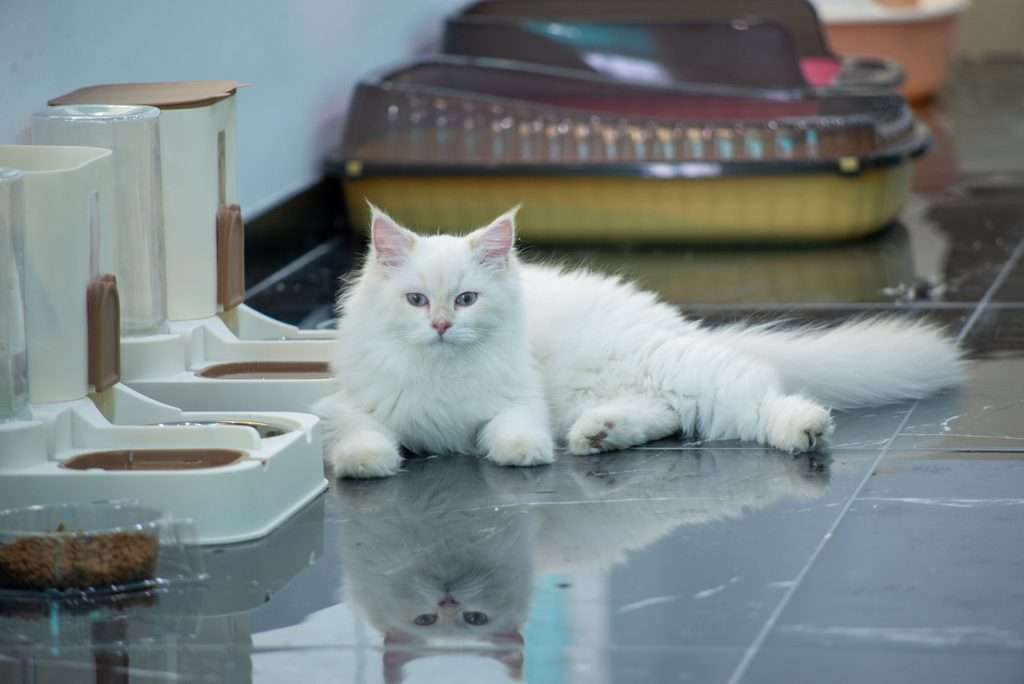
- An uncomfortable feeding location: A bowl placed near a washing machine, busy walkway, or litter box may discourage eating.
- Dirty feeding equipment: Residual food, unpleasant odors, and poorly cleaned bowls can make meals less attractive.
Another possibility is a negative association with a particular food.
For example, imagine that your cat eats its favorite chicken-flavored meal shortly before experiencing nausea or vomiting. It may subsequently associate that food’s smell or appearance with feeling unwell.
This is sometimes described as a learned food aversion. It means that a food previously associated with a pleasant experience may become something your cat avoids.
The situation can become more complicated when owners repeatedly offer the same rejected food or pressure their cats to eat it.
To make the feeding environment more comfortable:
- Place the food bowl in a quiet area away from household traffic.
- Keep food and water bowls clean.
- Provide separate feeding spaces in multi-cat households.
- Maintain consistent meal times.
- Avoid sudden changes to your cat’s normal feeding routine.
It is also worth observing whether your cat refuses food only in a particular location or avoids the same food wherever it is served.
This distinction can provide useful information when discussing the problem with your veterinarian.
4. How to Encourage Your Cat to Eat Again and Recognize Warning Signs
If your cat is otherwise behaving normally and there is no indication of illness, reviewing its food and feeding routine may help. However, practical adjustments should never delay veterinary assessment when appetite loss is sudden or significant.
Safe Feeding Adjustments and When to Seek Veterinary Help
Start by checking the food itself. Look at its expiration date, packaging, smell, storage conditions, and consistency.
If the food appears fresh and your cat has no other concerning symptoms, consider these approaches:
1. Try a different texture of the same food
Some cats prefer pâté, mousse, shredded meat, or smaller pieces in gravy. A texture change may make a meal more appealing without requiring a completely different diet.
2. Gently warm wet food
Refrigerated wet food can have a weaker aroma. Allow it to reach room temperature or warm it slightly, mixing thoroughly before serving. Never serve food that is hot.
3. Offer smaller portions
A large serving may become less attractive as it sits in the bowl. Smaller, freshly served portions can help you monitor how much your cat actually consumes.
4. Avoid repeatedly changing foods
Offering several different meals within a short period can make it difficult to identify what your cat accepts. More importantly, constantly changing food should not replace investigating an unexplained loss of appetite.
5. Monitor actual food intake
Do not judge your cat’s appetite simply by whether it approaches the bowl. Record how much food disappears and compare it with its normal consumption.
You can also explore our related guide, Why Does Your Cat Leave Food Behind but Finish Every Drop of Gravy?, which discusses food texture, chewing difficulties, and selective eating.
When should you contact a veterinarian?
Contact your veterinarian promptly if your cat suddenly eats substantially less than usual, even if it still accepts occasional treats.
An adult cat that has eaten nothing for approximately 24 hours needs prompt veterinary attention. Do not wait for this period if other symptoms appear. Kittens, older cats, overweight cats, and cats with existing medical conditions may require earlier assessment.
Seek urgent veterinary care if food refusal is accompanied by:
- Repeated vomiting or severe diarrhea.
- Significant weakness or unusual lethargy.
- Difficulty breathing.
- Signs of severe pain.
- Yellowing of the eyes, gums, or skin.
- Suspected poisoning.
One important reason not to delay is hepatic lipidosis, commonly known as fatty liver disease. This potentially life-threatening condition can develop when a cat experiences prolonged inadequate food intake, particularly in overweight cats.
A veterinarian may recommend a physical examination, dental assessment, blood tests, or imaging depending on the symptoms. Treatment focuses on identifying the underlying cause and restoring adequate nutrition safely.
Never force-feed your cat or administer appetite-stimulating medication without veterinary instructions. Force-feeding can worsen food aversion and may create additional risks.
Conclusion
If your cat suddenly loses interest in a food it once loved, do not automatically assume it has become a picky eater. Changes in food freshness, texture, smell, feeding conditions, and household stress can all influence food preferences. However, dental pain, nausea, respiratory infections, and other medical conditions may produce similar behavior.
The most important thing is to pay attention to how much your cat actually eats and whether other behavioral or physical changes appear.
If the loss of appetite is sudden, persistent, or accompanied by other symptoms, arrange a veterinary examination rather than relying entirely on changing foods. Identifying the cause early is the best way to protect your cat’s health and restore healthy eating habits.
Frequently Asked Questions (FAQs)
1. Why does my cat suddenly refuse its favorite wet food?
Your cat may dislike changes in the food’s smell, freshness, or texture. However, nausea, dental discomfort, and other medical conditions can also cause sudden food refusal. Monitor its overall appetite and consult a veterinarian if the change persists.
2. Can cats get bored of eating the same food every day?
Some cats become selective about food flavors and textures, but suddenly rejecting a familiar meal should not automatically be attributed to boredom. First, consider food freshness, environmental changes, and possible health problems.
3. Why does my cat sniff its food but refuse to eat it?
Sniffing food and walking away may indicate reduced appetite, nausea, nasal congestion, or an unpleasant change in the food’s aroma. Dental pain and stress are also possible explanations.
4. Should I change my cat’s food if it suddenly stops eating?
Not immediately. Check the food’s freshness and storage conditions, but avoid repeatedly switching diets to encourage eating. A sudden loss of appetite deserves veterinary attention, particularly if your cat is eating significantly less.
5. How long can a cat safely go without eating?
Cats should not be left without food for extended periods. An adult cat that has not eaten for approximately 24 hours needs prompt veterinary attention, while kittens and cats with underlying health conditions may need help much sooner.
References and Further Reading
The following veterinary resources support the health and nutritional information discussed in this article:
- 1. Cornell Feline Health Center – Anorexia in Cats – Causes of appetite loss and its potential health consequences.
- 2. Cornell Feline Health Center – Feeding Your Cat – Food selection, freshness, storage, and feeding considerations.
- 3. Cornell Feline Health Center – Feline Dental Disease – How dental problems affect eating and comfort.
- 4. VCA Animal Hospitals – Feeding Picky Eaters – Understanding selective eating and possible medical causes.
- 5. Merck Veterinary Manual – Feline Hepatic Lipidosis – Understanding fatty liver disease and the dangers of inadequate food intake.
Veterinary disclaimer: This article is intended for educational purposes only. It does not replace professional veterinary diagnosis, examination, or treatment.