Can Cats Eat Food That Has Been Left Out Overnight? Safety Guide for Cat Owners
Leaving your cat’s food in its bowl overnight may seem harmless, especially if your pet prefers eating small portions throughout the day. However, whether the food remains safe depends on its type, storage conditions, and how long it has been exposed to room temperature.
Can cats eat food left out overnight? Generally, cats should not eat wet food that has been sitting in a bowl overnight. Dry cat food is more resistant to spoilage and may remain suitable for controlled grazing, provided it stays clean, dry, and protected from contamination.
Understanding the difference between these foods can help prevent digestive problems, reduce unnecessary food waste, and establish safer feeding habits.
1. Can Cats Eat Food Left Out Overnight Without Getting Sick?
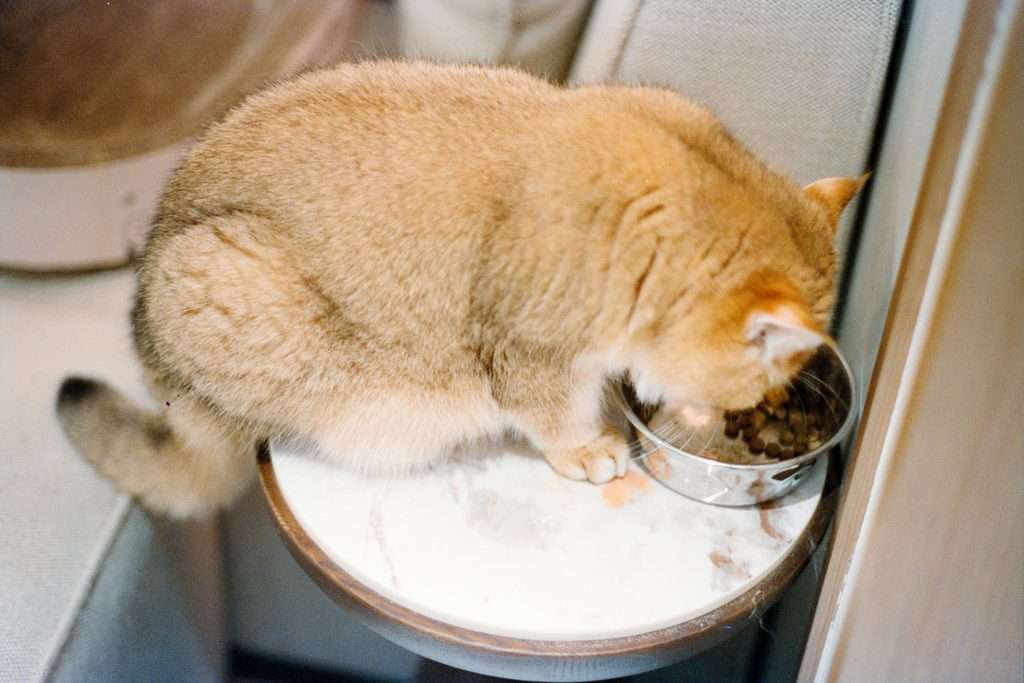
The short answer is that it depends on the type of food. Wet food and dry kibble behave differently when exposed to air, moisture, and room temperature.
Why Food Safety Changes After Serving
Once cat food is placed in a bowl, it is exposed to its surroundings. Moisture, temperature, handling, and contact with the feeding environment can gradually affect its freshness and safety.
Wet cat food is particularly sensitive because it contains substantial moisture and nutrients that can support bacterial growth when stored improperly.
Dry food has a much lower moisture content, making it less susceptible to rapid spoilage. Nevertheless, it can still become contaminated or deteriorate when exposed to humidity, insects, dust, or other environmental factors.
According to the U.S. Food and Drug Administration (FDA), unused canned and pouched pet food should be promptly refrigerated or discarded. The FDA also recommends washing and drying pet food bowls after each use.
Therefore, the fact that your cat’s food looks normal the following morning does not necessarily mean it is safe to eat.
2. How Long Can Different Types of Cat Food Stay Out?
Not every type of cat food requires the same handling precautions. Knowing how long each variety can remain at room temperature makes it easier to decide whether leftovers should be discarded.
Wet Food, Dry Kibble, and Raw Cat Food Compared
Wet cat food
Wet food should not be left in your cat’s bowl overnight. As a practical precaution, remove uneaten portions within approximately one to two hours, following the manufacturer’s instructions. In hot conditions, use a shorter period.
Food containing meat, gravy, or other moist ingredients can deteriorate more quickly when exposed to warm temperatures.
If your cat does not finish its meal, discard the remaining portion rather than saving it for breakfast.
Dry cat food
Dry kibble is generally more suitable for controlled grazing. A measured portion can sometimes remain available overnight if the environment is cool, dry, and clean.
However, leaving a bowl full of kibble for several days is not recommended. Dust, insects, moisture, and contact with other contaminants can affect its quality.
Cornell University College of Veterinary Medicine explains that dry food may be offered through free-choice feeding for some cats, but food should remain fresh and grazing portions should be replaced regularly.
Raw cat food
Raw food requires considerably greater caution. Uncooked meat can contain harmful microorganisms, including Salmonella and Listeria.
The FDA identifies raw pet food as a significant food-safety concern for pets and people. Raw leftovers should not be left at room temperature overnight.
For additional guidance, consult the FDA’s information about safe pet food handling.
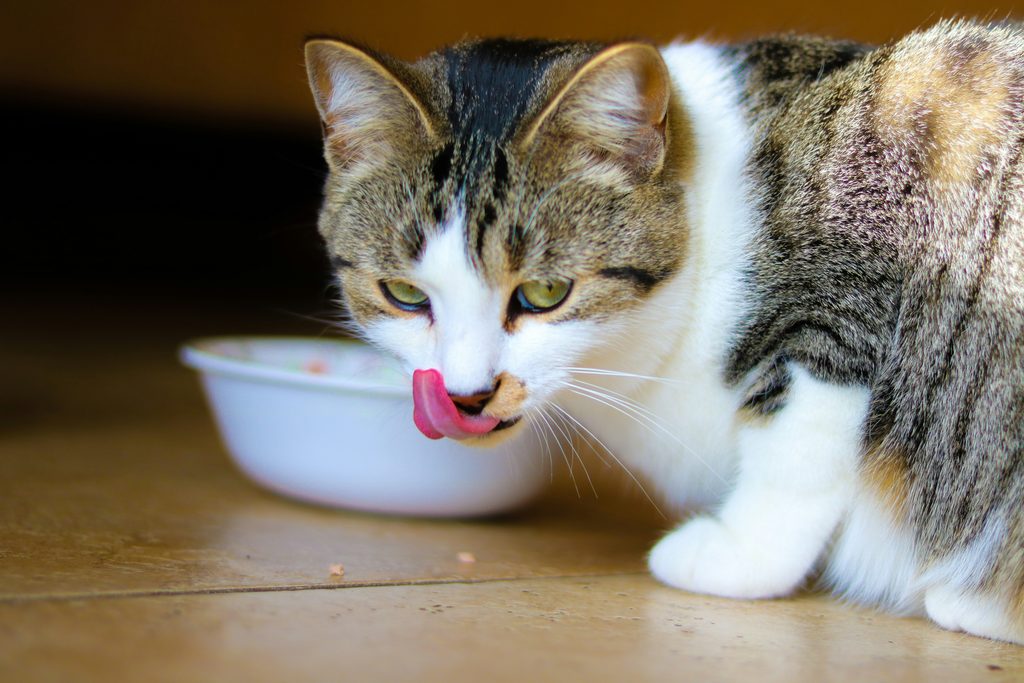
3. What Happens If a Cat Eats Food Left Out Overnight?
Eating improperly stored food does not guarantee that a cat will become sick. However, contaminated or spoiled food can expose your pet to microorganisms that may cause digestive illness.
Signs of Possible Food-Related Illness
If your cat eats wet food that has been sitting out overnight, monitor its behavior and general condition.
Potential warning signs include:
- Vomiting or repeated attempts to vomit.
- Diarrhea or unusually soft stools.
- Reduced appetite or refusal to eat.
- Unusual tiredness or reduced activity.
- Signs of abdominal discomfort.
- Changes in normal drinking behavior.
These symptoms are not exclusive to food contamination. They can also occur with infections, digestive disorders, and other medical conditions.
Contact your veterinarian if your cat develops vomiting, diarrhea, or other concerning symptoms after eating questionable food.
Seek urgent veterinary attention if you notice repeated vomiting, blood in the stool, severe weakness, difficulty breathing, or signs of dehydration.
Kittens, senior cats, and cats with existing medical conditions may need closer monitoring because they can be more vulnerable to complications.
Importantly, do not assume that food is safe simply because it has no unpleasant smell, discoloration, or visible mold. Some forms of contamination cannot be detected by looking at or smelling the food.
If you suspect that your cat has eaten spoiled food, do not try to make it vomit or give human medication without veterinary instructions.
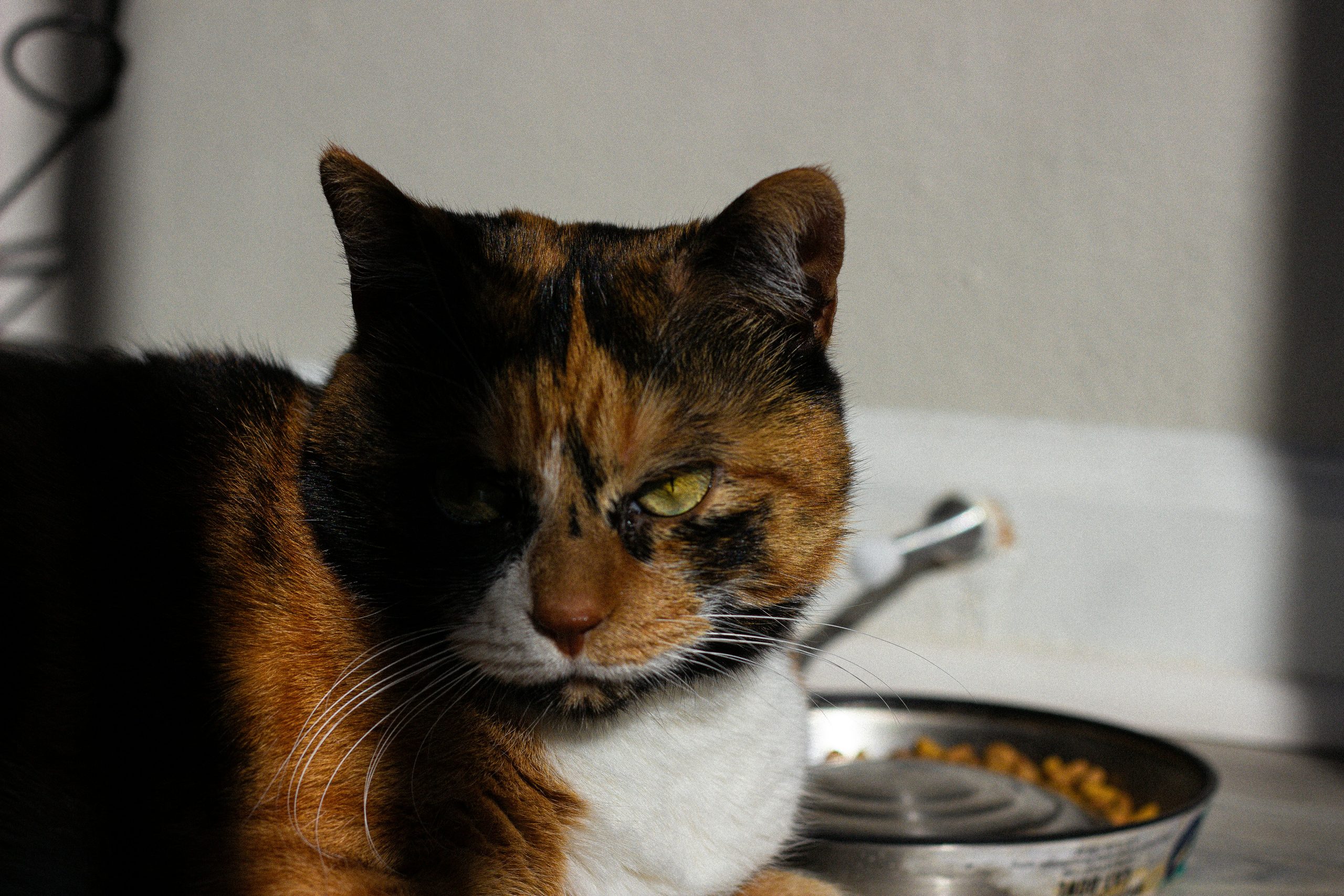
4. How to Keep Your Cat’s Food Fresh and Safe Overnight
You do not necessarily need to stop offering food outside traditional mealtimes. Instead, choose a feeding method that accommodates your cat’s habits without compromising food safety.
Practical Feeding and Storage Habits
The following measures can help protect your cat’s food throughout the day and night.
1. Divide meals into smaller portions
If your cat prefers eating gradually, offer smaller meals at different times rather than placing a large quantity of wet food in its bowl.
This reduces the amount of food left uneaten and makes it easier to maintain freshness.
2. Refrigerate unused wet food promptly
After opening a can or pouch, transfer untouched leftovers into a clean, airtight container or use a suitable cover.
Refrigerate the food promptly at 40°F (4.4°C) or below, and follow the manufacturer’s storage instructions.
Do not refrigerate food that has already been sitting in your cat’s bowl for an extended period and assume it is safe to serve again.
3. Clean food bowls regularly
Wash food bowls after each meal, especially when feeding wet food.
Use hot, soapy water, rinse thoroughly, and allow the bowl to dry before adding another portion.
Stainless steel and suitable ceramic bowls are practical options because they are easy to clean.
4. Store dry kibble properly
Keep dry cat food in its original packaging, with the opening tightly sealed. You can place the bag inside a clean, airtight storage container for additional protection.
Store it in a cool, dry location away from direct sunlight, excessive heat, and humidity.
5. Consider an automatic feeder
An automatic feeder can help cats that prefer several small meals throughout the night.
For dry food, choose a model that dispenses measured portions and protects the food from moisture and insects.
If you want to serve wet food, consider a refrigerated automatic feeder or a model with suitable ice packs. Always follow its cleaning and food-storage instructions.
For additional advice, explore our guide on building a flexible feeding schedule for cats.
Conclusion
Can cats eat food that has been left out overnight? The safest answer depends on the food’s moisture content and storage conditions.
Wet cat food and raw food should not be served after sitting in a bowl overnight. Dry kibble is generally more suitable for overnight grazing, provided it remains clean, dry, and protected from contamination.
The best approach is to serve appropriate portions, refrigerate unused wet food promptly, clean feeding bowls regularly, and avoid relying on appearance or smell to determine whether leftovers are safe.
A consistent feeding routine can protect your cat’s health while making mealtimes easier to manage.
References and Further Reading
- U.S. Food and Drug Administration (FDA) – Proper Storage of Pet Food and Treats.
- U.S. Food and Drug Administration (FDA) – Tips for Safe Handling of Pet Food and Treats.
- American Veterinary Medical Association (AVMA) – Safe Handling of Pet Food and Pet Treats.
- Cornell Feline Health Center – Feeding Your Cat.
- VCA Animal Hospitals – General Feeding Guidelines for Cats.
This article is intended for educational purposes and does not replace professional veterinary advice.