
Have you noticed that your cat’s urine smells much stronger than it used to? Perhaps the litter box has developed an unusually sharp smell, or you have noticed a foul odor when cleaning it. While cat urine naturally has a noticeable smell, a sudden change in its odor is worth paying attention to.
- 1. What Makes Cat Urine Smell So Strong?
- 2. Common Reasons Your Cat’s Urine Smells Stronger
- Dehydration and Concentrated Urine
- A Dirty or Poorly Maintained Litter Box
- Changes in Diet
- Urinary Tract Problems
- 3. When Should You Worry About Your Cat’s Urine Smell?
- 4. How to Help Keep Your Cat’s Urine Smelling Normal
- Final Thoughts
Sometimes, the explanation is simple. Your cat may be drinking less water, the litter box may need more frequent cleaning, or the urine may have become more concentrated. In other cases, a strong or unpleasant smell can appear alongside signs of a urinary tract problem.
So, why does your cat’s urine smell stronger than usual, and when should you worry? Let’s look at the possible causes and what you can do to keep your cat healthy.
1. What Makes Cat Urine Smell So Strong?
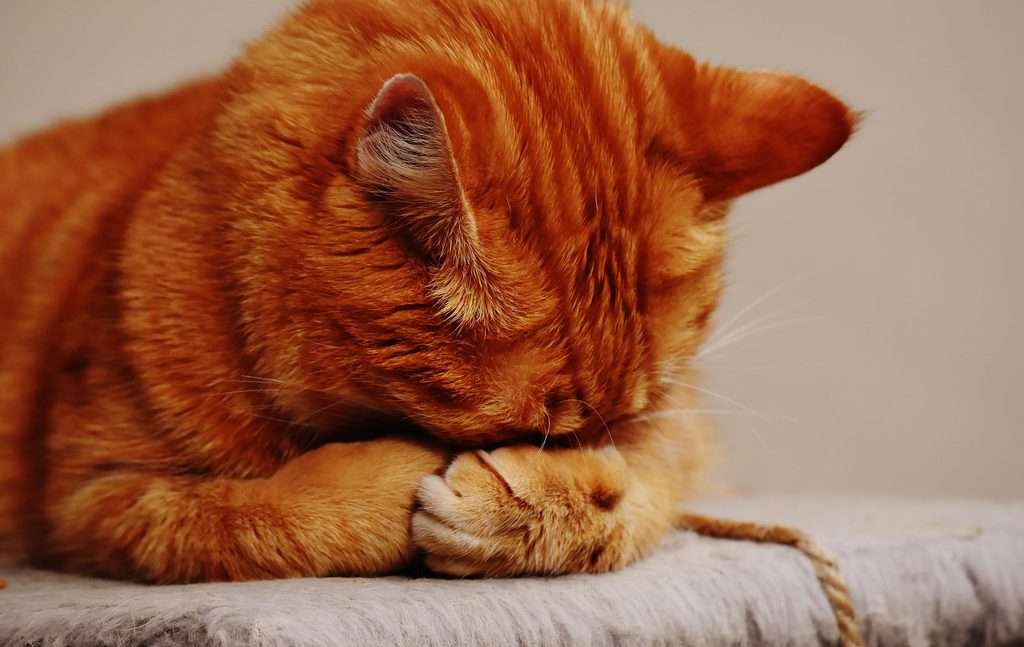
Cat urine naturally contains waste products that the body removes through the kidneys. When urine sits in the litter box, bacteria break down some of its components, producing ammonia and making the smell more noticeable.
This is why an uncovered litter box can develop a strong odor, especially when it has not been cleaned for a while.
However, the smell can also vary depending on your cat’s age, sex, hydration, and health. Unneutered male cats, for example, often produce urine with a particularly strong characteristic odor.
According to research published in veterinary literature, urine odor alone cannot reliably identify a specific disease. It is important to consider other symptoms and changes in your cat’s normal habits.
Helpful tip: If the smell becomes stronger suddenly, do not assume that the litter box is the only problem. Pay attention to how frequently your cat urinates, how much urine it produces, and whether it appears uncomfortable.
2. Common Reasons Your Cat’s Urine Smells Stronger
Several factors can explain why your cat’s urine has developed a stronger smell.
Dehydration and Concentrated Urine
One possible explanation is that your cat is not drinking enough water.
Cats naturally have a relatively low thirst drive compared with some other animals, particularly when they eat mostly dry food. If water intake decreases, their urine may become more concentrated, which can make its odor more noticeable.
You may also notice smaller amounts of urine in the litter box.
To encourage better hydration, try these simple steps:
- Keep fresh, clean water available throughout the day.
- Place water bowls in quiet areas away from the litter box.
- Consider a cat water fountain if your cat enjoys moving water.
- Ask your veterinarian whether adding wet food would be appropriate for your cat.
You can also read our internal guide to cat nutrition and feeding tips to learn more about supporting your cat’s daily nutritional needs.
Remember that increased thirst combined with larger amounts of urine can indicate a health problem, including kidney disease or diabetes. If you notice these changes, arrange a veterinary examination rather than assuming your cat is simply dehydrated.
A Dirty or Poorly Maintained Litter Box
Sometimes, the problem has more to do with the litter box than with your cat.
When urine remains in the litter for too long, its odor can become increasingly unpleasant. Warm rooms, poor ventilation, and infrequent cleaning can make the smell even stronger.
To reduce litter box odors:
- Remove urine clumps and solid waste at least once daily.
- Replace the litter according to the product instructions.
- Wash the litter box regularly with mild, unscented soap.
- Make sure the area has adequate ventilation.
- Avoid strongly scented cleaning products that may irritate your cat.
If the odor disappears after cleaning and your cat shows no other unusual symptoms, the litter box may have been the main issue.
However, cleaning alone will not solve an underlying medical problem.
Changes in Diet
A change in your cat’s diet can sometimes coincide with a noticeable change in urine odor.
Different foods have different nutritional compositions, and diet can influence urine chemistry. However, a strong smell does not automatically mean that your cat’s food is unsuitable.
If you recently introduced a new food, note when the odor changed and whether your cat developed any other symptoms.
Avoid repeatedly switching foods in an attempt to eliminate the smell. If the odor persists, consult your veterinarian to determine whether further investigation is needed.
Urinary Tract Problems
A strong, unpleasant, or foul-smelling odor can sometimes accompany urinary tract disease.
Possible causes include bladder inflammation, urinary stones, and bacterial infections. These conditions do not always produce obvious symptoms at first.
According to the Cornell Feline Health Center, signs of lower urinary tract disease can include painful urination, frequent trips to the litter box, blood in the urine, and urinating outside the usual area.
Watch for these additional warning signs:
- Your cat repeatedly visits the litter box.
- It strains or cries while urinating.
- It produces only small amounts of urine.
- You notice blood in the urine.
- Your cat frequently licks its genital area.
- It begins urinating outside the litter box.
If you notice a combination of these symptoms, contact your veterinarian promptly.
Important: Bacterial urinary tract infections are not the only cause of urinary symptoms in cats. A veterinarian may need to examine your cat and analyze a urine sample before recommending treatment.
For more information, see the VCA Animal Hospitals guide to feline cystitis and urinary tract disease.
3. When Should You Worry About Your Cat’s Urine Smell?
A stronger smell does not always mean that your cat is sick. The important question is whether the change is accompanied by other unusual signs.
If your cat is eating normally, drinking normally, urinating comfortably, and behaving as usual, you can start by checking the litter box and monitoring its habits.
However, a persistent or unexplained change in urine odor deserves veterinary attention, particularly if your cat is older or has an existing health condition.
Warning Signs You Should Never Ignore
One of the most serious urinary problems in cats is a urethral obstruction, which prevents urine from leaving the body.
This condition is especially common in male cats and can become life-threatening quickly.
Seek emergency veterinary care immediately if your cat:
- Repeatedly strains but produces little or no urine.
- Cries out or appears to be in severe pain while attempting to urinate.
- Becomes weak, vomits, or appears extremely distressed while having difficulty urinating.
Do not wait for the urine smell to improve, and do not try to treat a possible blockage at home.
Even if your cat has passed a small amount of urine, repeated straining may still indicate a serious problem.
4. How to Help Keep Your Cat’s Urine Smelling Normal
Although you cannot eliminate the natural smell of cat urine completely, a few everyday habits can help maintain a cleaner litter box and support urinary health.
Encourage water intake. Provide several clean water sources and consider wet food when appropriate for your cat’s nutritional needs.
Keep the litter box clean. Remove waste regularly and replace litter when necessary.
Maintain a consistent diet. Choose a nutritionally complete cat food suitable for your cat’s age and health. Discuss special urinary diets with your veterinarian rather than choosing one based on odor alone.
Reduce stress. Changes in the household, conflicts between cats, and an unsuitable litter box environment can contribute to some urinary problems. Provide quiet elimination areas and enough litter boxes for your household.
Monitor changes in urination. Pay attention to the frequency, quantity, and appearance of urine, as well as your cat’s drinking habits.
Arrange veterinary checkups. If the odor becomes persistently stronger or your cat develops additional symptoms, a veterinarian can determine whether urine testing or other investigations are necessary.
You can find further information about feline urinary conditions in the 2025 International Cat Care urinary disease guidelines.
Final Thoughts
If your cat’s urine smells stronger than usual, the cause could be something as simple as a dirty litter box or a change in urine concentration. However, a persistent foul odor, especially when accompanied by changes in urination, should not be ignored.
The best approach is to maintain good litter box hygiene, encourage appropriate water intake, and pay attention to your cat’s normal habits.
Most importantly, if your cat strains to urinate or cannot pass urine, seek emergency veterinary care immediately. Early attention to urinary problems can make a significant difference to your cat’s health.
