Why Does Your Cat Leave Food Behind but Finish Every Drop of Gravy?
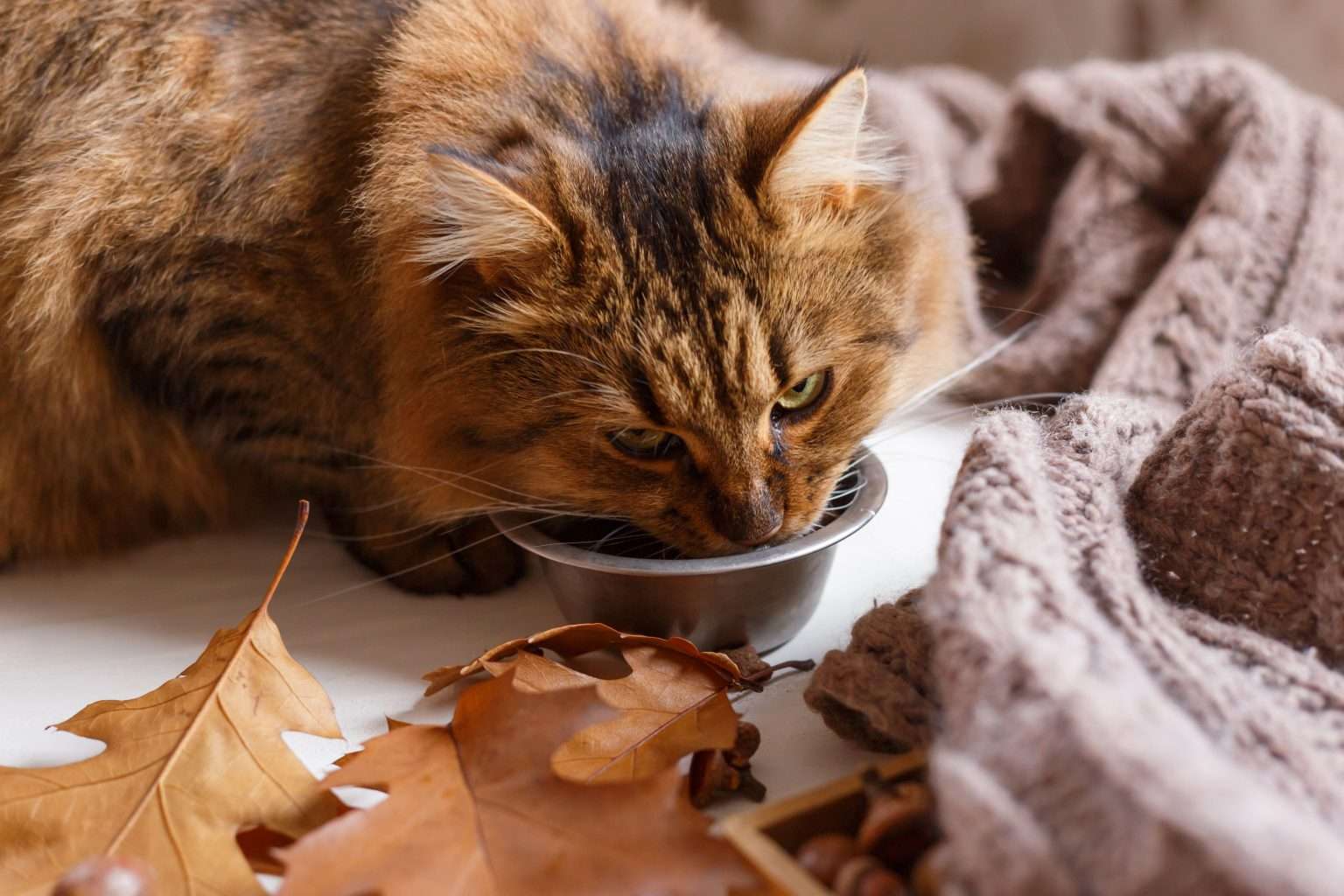
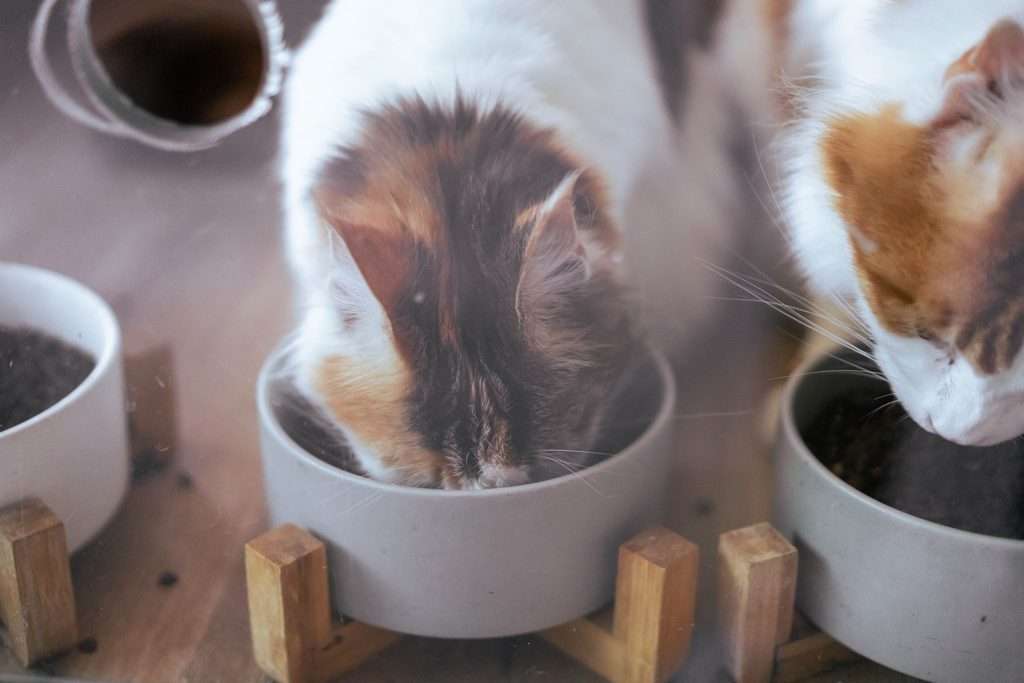
Have you ever served your cat a delicious bowl of wet food, only to find that the meat chunks are still sitting there while every drop of gravy has disappeared? If this sounds familiar, you are certainly not alone. Many cat owners notice that their pets eagerly lick the sauce but show little interest in the actual pieces of food.
This behavior may seem amusing, but it can reveal interesting details about your cat’s food preferences, eating habits, and sometimes even its health.
Cats experience food differently from humans. The smell, moisture, consistency, temperature, and size of each bite can influence whether they decide to eat a particular meal. However, when a cat suddenly starts avoiding solid food, the reason may be more than simple pickiness.
Understanding why cats lick gravy but leave the meat can help you make better feeding decisions and recognize when your cat needs veterinary attention.
1. Your Cat May Prefer Gravy Over Solid Food
Texture and taste make a difference
One of the most common explanations is texture preference. Cats can be surprisingly selective about how their food feels in their mouths.
Wet cat food is available in several forms, including pâté, shredded meat, chunks in gravy, and jelly-based recipes. Although these products may contain similar ingredients, their textures can make a significant difference to individual cats.
Some cats enjoy smooth, liquid-rich food because it is easier to lick and swallow. Others dislike the chewy consistency of meat chunks, particularly when the pieces are large or firm.
Interestingly, research into feline food preferences has also examined how cats respond to different components of wet food. A study by AFB International found that cats showed a preference for gravy over meat chunks in certain feeding tests.
This helps explain why some cats carefully lick the sauce while leaving most of the solid ingredients untouched.
You can explore this research in Cats’ Eating Enjoyment Informs Preference for Food Components.
What you can do: Try offering a smooth pâté-style food or gently mashing the existing meat chunks with a fork. This creates a more consistent texture and may encourage your cat to eat more of the meal.
“I love cats because I enjoy my home; and little by little, they become its visible soul.”
Jean Cocteau
2. The Smell and Moisture of Gravy Are More Appealing
Why liquid food attracts your cat’s attention
A cat’s sense of smell plays an important role in deciding whether a meal is worth eating. Before taking a bite, cats usually investigate their food through their noses.
Gravy often carries the aroma of meat, fish, fats, and other ingredients used in the recipe. Because these flavors and aromas are distributed throughout the liquid, the sauce may be particularly attractive to a cat.
Moisture is another important factor. Gravy is soft, easy to lap up, and does not require the same chewing effort as solid pieces.
This combination of strong aroma and smooth consistency can make the liquid portion more appealing than the chunks themselves.
Food temperature can also influence acceptance. Food served directly from the refrigerator may have a weaker aroma than food served closer to room temperature.
According to VCA Animal Hospitals, gently warming canned cat food can increase its aroma and palatability.
What you can do: If your cat regularly leaves the meat, try gently warming its wet food to approximately room temperature. Mix the gravy and chunks together to distribute the aroma more evenly. Always check that the food is not hot before serving.
3. Dental Problems May Make Chewing Uncomfortable
When selective eating becomes a health warning
Not every cat that leaves meat behind is simply being fussy. Sometimes, avoiding solid food is the first visible indication of discomfort inside the mouth.
Chewing requires healthy teeth, gums, and jaw movement. Conditions such as gingivitis, periodontal disease, and tooth resorption can make biting and chewing painful.
A cat experiencing oral discomfort may still approach its food bowl enthusiastically because it feels hungry. However, after licking the gravy, it may avoid the harder pieces because chewing causes pain.
Pay attention to additional warning signs, including:
- Dropping food while trying to eat.
- Chewing on only one side of the mouth.
- Excessive drooling.
- Unpleasant breath.
- Pawing at the mouth or face.
- Eating less than usual or losing weight.
The Cornell Feline Health Center explains that dental diseases can cause significant discomfort and may lead cats to prefer softer foods.
It is particularly important to notice whether this behavior is new. A cat that previously enjoyed eating meat chunks but suddenly refuses them deserves closer attention.
What you can do: Arrange a veterinary examination if your cat shows signs of oral pain or has developed a sudden preference for liquid food. A veterinarian can examine its teeth and gums and recommend an appropriate diet.
4. How to Encourage Your Cat to Eat the Whole Meal
Simple feeding adjustments that can help
If your veterinarian has ruled out medical problems, a few practical changes may help your cat become more comfortable with different food textures.
1. Choose a texture your cat enjoys
Experiment with different complete wet food varieties, such as pâté, mousse, shredded meat, or smaller chunks. Observe which consistency your cat accepts most easily.
2. Mash the meat into the gravy
Instead of serving separate pieces and liquid, use a fork to break the chunks into smaller portions. This makes the food easier to lick and reduces the effort needed to chew larger pieces.
3. Serve food at a suitable temperature
Slightly warming refrigerated wet food can make its aroma more noticeable. Never serve it hot, and always stir it thoroughly to avoid hot spots.
4. Create a comfortable feeding environment
Cats may become distracted or uncomfortable when eating near noisy appliances, busy walkways, other pets, or dirty food bowls.
Cornell University provides useful advice in its guide to Feeding Your Cat.
5. Check the nutritional information
An important point many owners overlook is that gravy alone does not necessarily provide everything a cat needs.
If your cat consistently consumes only the liquid and leaves most of the meat, it may not receive enough protein, calories, vitamins, and minerals.
Choose a product labelled complete and balanced for your cat’s life stage. Remember that complementary foods and treats are not designed to replace a complete daily diet.
Avoid allowing your cat to skip meals in the hope that hunger will eventually make it eat the unwanted pieces. This approach can be dangerous, particularly if the cat already has an underlying health problem.
When should you contact a veterinarian?
Occasionally leaving a few pieces of food behind is not necessarily a reason to worry. However, persistent food refusal deserves attention.
Contact your veterinarian if your cat:
- Suddenly stops eating its usual food.
- Eats significantly less than normal.
- Shows signs of pain when chewing.
- Experiences vomiting or diarrhea.
- Becomes unusually tired or loses weight.
According to Cornell Feline Health Center’s guidance on feline anorexia, sustained appetite loss can have serious consequences. An adult cat that has not eaten for around 24 hours should receive prompt veterinary attention. Kittens and cats with existing health problems may need help sooner.
Final Thoughts
If your cat finishes every drop of gravy but leaves the meat behind, its behavior may simply reflect a preference for softer textures, stronger aromas, or easier-to-eat food.
However, it is important not to overlook the possibility of dental discomfort or another health problem, especially when eating habits change suddenly.
The best approach is to observe your cat’s overall appetite, experiment with suitable food textures, and make sure it receives a nutritionally complete diet.
Remember, a cat’s eating habits can tell you more than you might expect. Sometimes, what remains in the food bowl is just as important as what disappears.
Scientific References and External Sources
- Cats Protection – Why Does My Cat Only Eat Jelly Off Their Food?
- AFB International – Cats’ Eating Enjoyment Informs Preference for Food Components
- Cornell University – Feline Dental Disease
- Cornell University – Feeding Your Cat
- Cornell University – Anorexia in Cats
- VCA Animal Hospitals – Dry, Canned, or Semi-Moist Food Choices