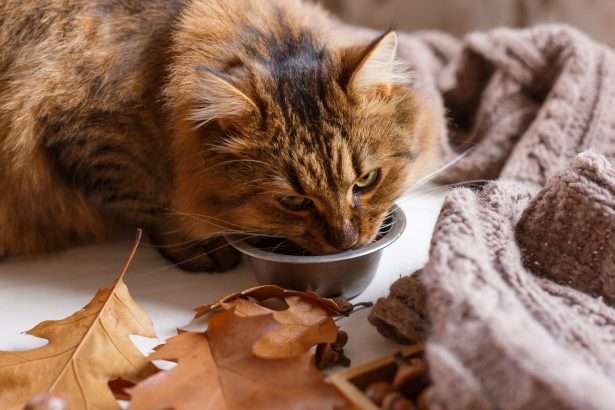


How Much Animal Protein Does Your Cat Really Get From Its Daily Food?
Cats need protein every day to maintain healthy muscles, support normal body functions, and obtain essential amino acids. However, there is an important detail many cat owners overlook: the protein percentage printed on a cat food package does not tell you exactly how much of that protein comes from animal ingredients.
A food may advertise 35% crude protein, but that figure represents total protein from all sources, not exclusively meat, poultry, or fish. Some protein may come from plant ingredients, depending on the recipe.
So, how much animal protein does your cat really get from its daily food? The answer depends on the food’s ingredients, nutritional composition, moisture content, and the amount your cat eats. Understanding these details can help you make better feeding decisions without relying on marketing claims alone.
1. Why Animal Protein Matters in a Cat’s Daily Diet
Cats are obligate carnivores, meaning their natural nutritional requirements are adapted to a diet containing nutrients commonly obtained from animal tissues. Protein is particularly important because it supplies amino acids that support essential biological processes.
Unlike some other animals, cats have specific dietary requirements for certain amino acids, including taurine, arginine, and methionine. Their bodies cannot produce enough of some essential nutrients to meet their needs without obtaining them through food.
Animal-based ingredients such as chicken, turkey, beef, and fish can provide valuable protein and amino acids. However, the nutritional value of an ingredient depends on its composition and digestibility, not simply its name.
What Does Protein Actually Do for Cats?
Dietary protein contributes to several important functions:
- Muscle maintenance: Provides amino acids needed to maintain and repair muscle tissue.
- Healthy skin and coat: Supports the production of keratin and other structural proteins.
- Immune function: Helps produce antibodies and other proteins involved in immune responses.
- Tissue repair: Supplies building blocks for normal growth and recovery.
- Enzyme and hormone production: Supports many chemical processes throughout the body.
The important point is that cats need sufficient amounts of high-quality protein and essential amino acids, not simply the highest possible protein percentage.
The AAHA/AAFP Feline Life Stage Guidelines explain the importance of meeting cats’ essential amino acid requirements throughout their lives.
2. How Much Animal Protein Is Actually in Commercial Cat Food?
One of the biggest misunderstandings about cat nutrition comes from reading the crude protein percentage on food packaging.
For example, a dry cat food containing 35% crude protein does not necessarily contain 35% animal protein. The figure includes protein from all contributing ingredients, including animal and plant sources.
Chicken, fish, and meat meals can contribute animal protein, while ingredients such as peas, soy, corn gluten meal, and other plant materials can contribute additional protein.
This does not automatically make a food unsuitable. What matters is whether the complete recipe provides the nutrients cats require in appropriate amounts and proportions.
Understanding the Guaranteed Analysis
Look at the guaranteed analysis on the back of your cat food package. You will usually find:
- Crude protein (minimum).
- Crude fat (minimum).
- Crude fiber (maximum).
- Moisture (maximum).
The crude protein figure is an estimate of total protein based on a laboratory nitrogen measurement. It does not identify the percentage originating from meat or other animal ingredients.
Furthermore, the guaranteed analysis provides minimum or maximum values rather than necessarily reporting the exact nutrient composition of every batch.
The AAFCO guide to reading pet food labels explains what these figures mean and how to interpret them.
An important distinction: The ingredient list can help you identify protein sources, but it cannot tell you precisely how many grams of animal protein your cat consumes.
For that information, you may need to request the manufacturer’s average nutrient profile or a detailed breakdown of protein sources.
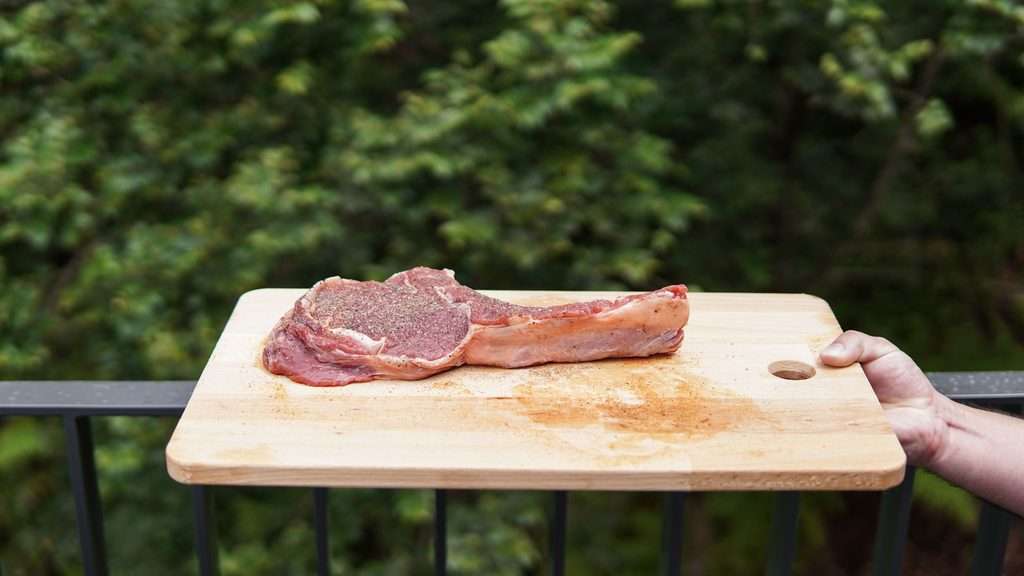
3. How to Calculate the Protein Your Cat Gets Every Day
Although calculating the exact amount of animal-derived protein is difficult without manufacturer data, you can estimate the total crude protein supplied by your cat’s daily food.
The first step is to understand the difference between protein percentage as fed and protein percentage on a dry matter basis.
Dry food contains considerably less moisture than wet food. Consequently, comparing their protein percentages directly can give a misleading impression.
A Simple Example Using Wet and Dry Cat Food
Imagine you are comparing two hypothetical products:
| Nutritional information | Wet food | Dry food |
|---|---|---|
| Crude protein | 10% | 35% |
| Moisture | 80% | 10% |
| Dry matter | 20% | 90% |
| Protein on dry matter basis | 50% | 38.9% |
To calculate dry matter protein, use this formula:
Protein on a dry matter basis = (Crude protein ÷ (100 − moisture)) × 100
For wet food:
(10 ÷ 20) × 100 = 50%
For dry food:
(35 ÷ 90) × 100 = 38.9%
Although the dry food displays a much higher crude protein percentage on its packaging, the wet food has a higher protein concentration when moisture is removed.
However, this comparison does not establish which product supplies more protein per day. Daily intake also depends on the quantity eaten and the food’s calorie content.
Calculating daily protein intake:
Daily food weight in grams × crude protein percentage ÷ 100 = estimated crude protein in grams.
For example, if a cat eats 170 grams of wet food containing 10% crude protein:
170 × 10 ÷ 100 = 17 grams.
This means the food supplies approximately 17 grams of crude protein based on the stated percentage. It does not mean all 17 grams come from animal ingredients.
For more accurate comparisons, the FDA’s explanation of complete and balanced pet food provides useful guidance on dry matter calculations.
4. How to Choose Cat Food With Appropriate Animal Protein
Choosing food based only on the highest protein percentage is not always the best approach. Instead, consider the entire nutritional profile, the ingredients, and whether the food meets your cat’s individual requirements.
A balanced commercial cat food can contain several protein sources while still meeting feline nutritional standards.
What Should You Look for on the Packaging?
When comparing different products, pay attention to these details:
- Identify the main protein ingredients: Look for clearly named ingredients such as chicken, turkey, salmon, or other animal-based sources.
- Check the ingredient list carefully: Ingredients are generally listed by weight before processing. However, fresh meat contains substantial water, so its position does not independently establish its contribution to the final protein content.
- Compare protein on a dry matter basis: This is especially useful when comparing wet and dry products.
- Check the nutritional adequacy statement: Choose food formulated to be complete and balanced for your cat’s life stage.
- Consider digestibility and amino acids: Total protein alone does not reveal how well nutrients are digested or whether the diet provides the required essential amino acids.
- Consider your cat’s individual needs: Kittens, adult cats, senior cats, and cats with certain medical conditions may require different feeding plans.
You can also ask the manufacturer whether it provides information about the percentage of protein from animal sources, typical protein levels, and digestibility testing.
Avoid assuming that grain-free, natural, or meat-first marketing claims automatically indicate superior nutritional quality.
Finally, remember that a higher animal protein percentage is not the only measure of a good cat food. The overall balance of protein, fat, vitamins, minerals, amino acids, and calories matters.
If you are considering homemade feeding or significantly changing your cat’s diet, consult a veterinarian or board-certified veterinary nutritionist to ensure that all nutritional requirements are met.
A practical recommendation: Evaluate the food your cat actually eats each day rather than judging it solely by the protein percentage displayed on the front of the package.

Conclusion
The amount of animal protein your cat receives daily cannot be determined from the crude protein percentage alone. That number includes protein from both animal and plant ingredients and does not reveal their individual contributions.
By examining the guaranteed analysis, understanding dry matter calculations, checking ingredient sources, and selecting nutritionally complete food, you can make more informed decisions about your cat’s diet.
If you want to know the exact animal-derived protein contribution, contact the food manufacturer for a detailed nutritional breakdown. Ultimately, the goal is to provide a complete, balanced diet that meets your cat’s individual nutritional needs.
Frequently Asked Questions
1. Do cats need animal protein every day?
Cats require a daily supply of protein and essential amino acids. Animal ingredients are valuable sources of these nutrients, although the suitability of a complete diet depends on its overall nutritional formulation.
2. Is 35% protein enough for a cat?
It depends on whether the figure is reported as fed or on a dry matter basis, as well as the cat’s age and nutritional requirements. A percentage alone cannot determine whether a diet is appropriate.
3. Can plant protein replace animal protein in cat food?
Plant ingredients can contribute amino acids and total protein to formulated diets. However, the complete diet must provide all essential amino acids in suitable amounts and proportions.
4. How can I tell if my cat food contains enough animal protein?
Check the ingredient list and guaranteed analysis, then ask the manufacturer for its typical nutrient profile and the proportion of protein supplied by animal ingredients. The package’s crude protein figure alone is insufficient.
5. Is wet cat food better than dry food for protein intake?
Not necessarily. Wet and dry foods differ in moisture content and calorie density. Compare their protein levels on a dry matter or calorie basis rather than relying on the percentages printed on the packages.
References and Further Reading
- Cornell Feline Health Center – Feeding Your Cat
- AAFCO – Understanding Pet Food Labels
- FDA – Complete and Balanced Pet Food
- Merck Veterinary Manual – Dog and Cat Foods
- AAHA/AAFP – Feline Life Stage Guidelines: Nutrition and Weight Management
This article is intended for educational purposes and does not replace individualized veterinary nutritional advice.