
Complete Guide to Choosing the Right Cat Breed for Your Lifestyle
Choosing a cat should be based on more than a beautiful coat or a popular breed name. The best match is a cat whose energy level, social needs, grooming routine, and likely health requirements fit your everyday life.
- Start with your lifestyle, not the breed list
- Understand temperament before appearance
- Match activity level to your available time
- Calculate the grooming commitment
- Treat “hypoallergenic” claims with caution
- Consider breed-related health responsibilities
- Choose the right age and household match
- A practical pre-adoption checklist
- Final advice: choose a compatible individual
- References
A purebred cat may offer more predictable physical traits and some recurring personality tendencies. However, mixed-breed cats can be equally affectionate and rewarding. As the American Veterinary Medical Association explains, both pedigreed and mixed-breed cats can make excellent companions when their needs are understood and met.
Start with your lifestyle, not the breed list
Before comparing breeds, look honestly at your routine. How many hours is the cat likely to spend alone? Do you live in a small apartment, a busy family home, or a quiet house? Are there children, dogs, or other cats? Can you afford preventive veterinary care, quality food, grooming tools, and unexpected treatment?
Your answers matter more than appearance. A highly active cat may become frustrated in a home without daily play and climbing opportunities. A very social cat may struggle if everyone is away most of the day. Conversely, a calm adult cat may be a better fit for someone who wants quiet companionship.
Housing size alone does not determine whether a cat will be happy. Indoor cats still need safe hiding places, elevated resting areas, scratching surfaces, toys, and opportunities to stalk, chase, and investigate. The AAFP/ISFM feline environmental guidelines describe these resources as important parts of feline physical and emotional wellbeing.
Understand temperament before appearance
Breed descriptions are useful starting points, not guarantees. Individual personality is shaped by genetics, early socialization, health, and past experiences. Even two kittens from the same litter may differ considerably.
Some Siamese and Oriental cats are known for being vocal, interactive, and people-oriented. Bengals are often energetic and may need more intensive play and enrichment. Persians usually require a serious grooming commitment because of their long coat. Maine Coons are large cats that need suitable equipment, space, and regular coat care. These patterns can help you create a shortlist, but they should never replace meeting the individual cat.

When possible, ask a shelter, rescue organization, or responsible breeder specific questions. Is the cat confident with strangers? Does it tolerate handling? Does it seek attention or prefer distance? How does it respond to other animals, noise, and changes in routine? These practical observations are often more valuable than a breed label.
The Merck Veterinary Manual recommends focusing strongly on personality and behavior, rather than choosing mainly by color or appearance.
Match activity level to your available time
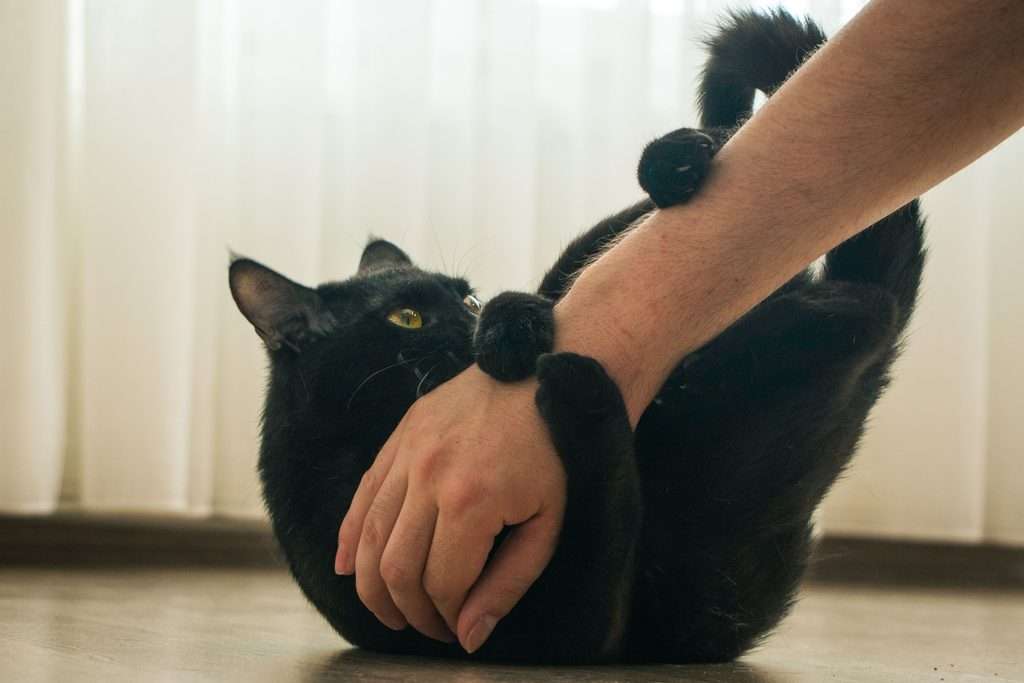
Every cat needs daily mental and physical stimulation, but the amount varies. Young, athletic, and highly curious cats may need several short interactive play sessions each day. Puzzle feeders, climbing structures, clicker training, and rotating toys can make an indoor routine more satisfying.
If your schedule is demanding, do not assume that any cat will be happy being ignored. Consider a calm adult cat with a known history instead of a very young kitten or an intensely active breed. An adult cat’s personality is already easier to assess, and it often requires less supervision than a kitten.
Kittens are lively and rewarding, but they need frequent feeding, safe exploration, socialization, litter support, and supervision. Cornell Feline Health Center notes that healthy adult cats usually require less intensive care than kittens or juveniles.
Calculate the grooming commitment
A cat’s coat affects your weekly routine. Short-haired cats generally need less brushing, although they still benefit from regular grooming. Long-haired and dense-coated cats may need frequent combing to reduce mats, hairballs, and skin problems. Some cats also need gradual training to accept nail trimming, brushing, and carrier travel.
Ask yourself whether you can maintain this routine throughout the cat’s life. Grooming is not only cosmetic. It allows you to notice parasites, lumps, sore skin, or changes in coat condition early. If brushing is difficult, choose a cat with a care profile you can realistically maintain and ask a veterinarian or professional groomer for guidance.
Treat “hypoallergenic” claims with caution
There is no scientifically confirmed cat breed that is completely hypoallergenic. The major cat allergen, Fel d 1, is produced by cats and can be present in saliva and other secretions. Hairless cats can produce it too.
A 2024 scientific review in Allergologie Select found individual variation in allergen production but no evidence for a truly hypoallergenic cat breed. If someone in your household has allergies, spend time with the specific cat before adoption and consult an allergy specialist. Do not rely only on breed marketing or coat length.
Consider breed-related health responsibilities
Selective breeding can make certain physical traits more predictable, but it can also increase the risk of inherited problems in some lines. Before buying a pedigree cat, ask for health-screening information for the parents, veterinary records, registration details, and a clear contract that explains the breeder’s responsibilities.
A responsible breeder should welcome questions and allow you to see where kittens are raised. Be cautious of sellers who emphasize rare colors, demand quick payment, avoid health questions, or will not provide verifiable records. Adoption organizations can also help match you with a cat whose behavior and medical history are already partly known.
Breed research should lead to better questions, not blind confidence. Discuss known breed risks with a veterinarian before making a decision.
Choose the right age and household match
An adult cat may be ideal for a first-time owner, a quieter household, or someone who wants a more predictable temperament. A kitten may suit a family that has time for training, play, and close supervision. Senior cats can be wonderful companions, but they may need more frequent health checks and easier access to food, water, resting places, and litter boxes.
If you already have a cat or dog, introductions should be slow and structured. Give the new cat a separate room at first, exchange scents gradually, and supervise early meetings. Never assume that a certain breed will automatically accept another animal.
A practical pre-adoption checklist
Before bringing a cat home, confirm that you can provide a complete diet for its life stage, fresh water, a clean litter area, scratching options, safe resting places, play, and routine veterinary care. Ask for vaccination, parasite-control, diet, and medical records.
Look for a cat that is alert and responsive, with clear eyes, clean ears, a healthy coat, and an appropriate body condition. Persistent nasal discharge, diarrhea, extreme lethargy, breathing difficulty, or severe fear deserves veterinary attention before the adoption is finalized. After arrival, arrange a veterinary examination promptly, especially if the medical history is incomplete.
Final advice: choose a compatible individual
The right cat breed for your lifestyle is the one whose needs you can meet consistently—not necessarily the one with the most striking appearance. Compare activity, social needs, grooming, health considerations, and age. Then meet the individual cat and observe its behavior.
A thoughtful match protects both sides of the relationship. It reduces the risk of unrealistic expectations and gives your new companion a better chance to feel secure, stimulated, and genuinely at home.
References
[1] American Veterinary Medical Association: Selecting a pet cat
[2] Cornell Feline Health Center: Choosing and Caring for Your New Cat
[3] AAFP/ISFM Feline Environmental Needs Guidelines
[4] Hypoallergenic animals: A promise of hope for allergic patients?