
The Hidden Differences Between Cats of the Same Breed: Why Their Personalities Can Vary So Much
Have you ever wondered why two cats from the same breed can behave so differently, even when they share similar physical characteristics? One might be affectionate, playful, and constantly seeking attention, while the other prefers quiet spaces, independence, and minimal interaction.
- 1. Genetic Differences: Why Cats Inherit More Than Their Appearance
- 2. Early Experiences: How Kittenhood Shapes Adult Behavior
- 3. Environment and Daily Lifestyle: Why Home Conditions Matter
- 4. Individual Experiences, Age, and Health: The Factors That Make Every Cat Unique
- Conclusion
- Frequently Asked Questions
- 1. Can two cats of the same breed have completely different personalities?
- 2. Is a cat’s personality determined by genetics?
- 3. Do kittens from the same litter develop different temperaments?
- 4. Can a cat’s personality change as it gets older?
- 5. Can owners influence their cat’s personality?
- References and Further Reading
These differences are more common than many cat owners realize. Although breed characteristics can influence feline temperament, they do not determine every aspect of an individual cat’s personality.
A cat’s behavior develops through a combination of genetic inheritance, early socialization, environmental experiences, and individual learning. Understanding these influences helps explain why cats of the same breed can have completely different preferences, habits, and relationships with people.
You brought home a kitten from the same breeder, the same litter even, as your friend’s cat. You expected them to act like twins. Instead, one is a fearless social butterfly while the other hides under the sofa at the first sign of a visitor. This is one of the most confusing and fascinating realities of living with cats: a shared breed label does not guarantee a shared personality. While breed does influence general tendencies, the individual cat in front of you is shaped by a complex mix of genetics, early life experiences, and environment. Understanding why these hidden differences exist can transform how you interpret your cat’s behavior and help you build a stronger, more empathetic relationship with the unique animal you share your home with.
1. Genetic Differences: Why Cats Inherit More Than Their Appearance
Breed genetics play an important role in feline behavior, but they do not create identical personalities. Even cats belonging to the same breed inherit different combinations of genes, which can influence their confidence, activity levels, social behavior, and reactions to unfamiliar situations.
How Individual Genetics Influence Cat Personality
Selective breeding has helped establish recognizable characteristics in different cat breeds. For example, some breeds are generally associated with greater sociability, while others are often described as more independent.
However, genetic variation also exists within individual breed populations.
A scientific study published in Scientific Reports in 2019 examined behavioral traits in 5,726 cats representing 40 breeds. Researchers identified differences between breeds and found evidence that several behavioral characteristics have a genetic component.

Importantly, the research also identified substantial genetic variation within breed populations. This means that two cats sharing the same breed classification may inherit different behavioral tendencies.
For example:
- One British Shorthair might enjoy sitting beside its owner throughout the evening.
- Another may prefer observing family activities from a comfortable distance.
- One Ragdoll may actively seek physical affection, while another may enjoy companionship without being handled frequently.
- Two Maine Coons may have noticeably different activity levels and approaches to unfamiliar visitors.
These differences do not necessarily indicate that either cat has an unusual temperament.
Genetics provide certain tendencies, not a complete behavioral blueprint. A naturally confident kitten may become cautious after negative experiences, while a more reserved kitten may gradually develop greater confidence in a supportive home.
2. Early Experiences: How Kittenhood Shapes Adult Behavior
A cat’s personality begins developing long before it reaches adulthood. Its earliest experiences, particularly interactions with its mother, littermates, and humans, can influence how it responds to the world later in life.
The Importance of Early Socialization
The early socialization period is particularly important for kittens. During this developmental stage, positive and gentle experiences with people, household sounds, handling, and different surroundings can help kittens become more comfortable with everyday situations.
Research discussed in feline behavioral literature identifies approximately two to nine weeks of age as an important socialization period.
However, kittens do not all experience the same conditions.
Consider two kittens from the same litter. One may grow up in a household where people regularly interact with the mother and kittens in a calm, positive manner. The other may experience limited human contact or repeated stressful disturbances.
As adults, their reactions to people may differ considerably.
A kitten that receives gentle, consistent handling may become comfortable with human interaction. Another that experiences frightening or unfamiliar situations without adequate support may become more cautious.
Several early-life factors can contribute to these differences:
- Human interaction: Positive experiences can help kittens develop familiarity and confidence around people.
- Maternal influence: A mother cat’s behavior can influence her kittens through both inherited tendencies and everyday experiences.
- Littermate relationships: Playing and interacting with siblings help kittens develop communication and social skills.
- Environmental exposure: Gradual exposure to ordinary household sounds and activities can help reduce fear of unfamiliar situations.
- Stress during development: Unpredictable or frightening experiences may influence how a young cat responds to later challenges.
This is why two kittens with similar appearances and genetic backgrounds can grow into very different companions.
Early experiences do not permanently determine every behavior, but they can establish important foundations for future temperament.
3. Environment and Daily Lifestyle: Why Home Conditions Matter
Even after kittenhood, a cat’s surroundings continue to influence its behavior. The same breed can produce very different personalities in different households because cats respond individually to their living conditions.
How Household Conditions Influence Individual Behavior
Cats are sensitive to their surroundings. Noise, available space, daily routines, interactions with other animals, and opportunities for exploration can all influence their comfort and behavior.
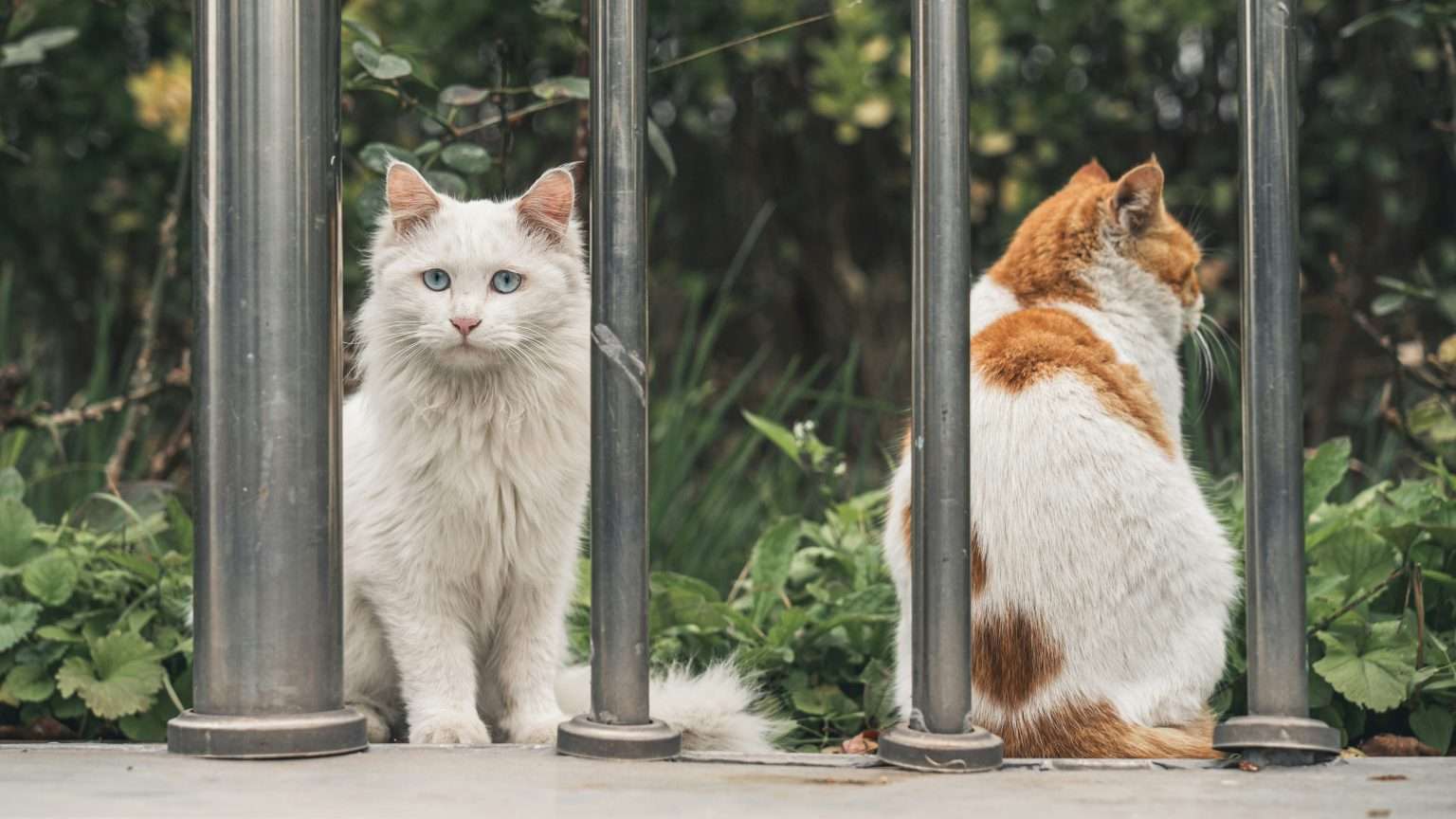
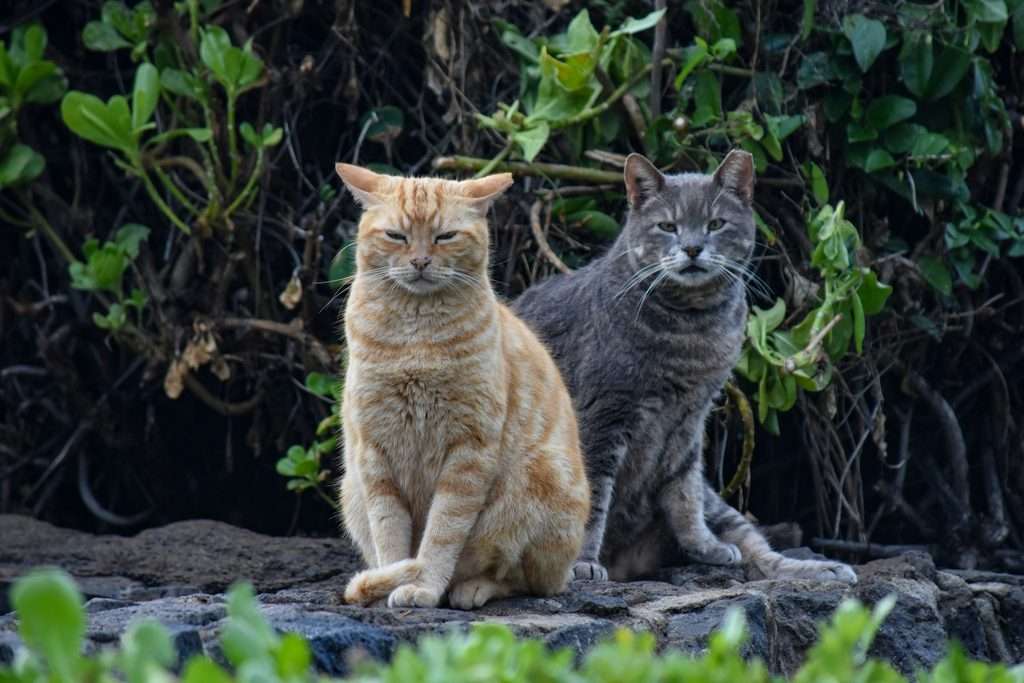
For example, imagine two cats of the same breed.
One lives in a peaceful home with predictable routines, accessible hiding places, scratching surfaces, and regular play sessions. The other lives in a busy household where visitors frequently arrive, loud noises are common, and the cat has limited opportunities to retreat.
Although both cats share the same breed characteristics, their everyday experiences may encourage different behavioral responses.
Some environmental influences include:
1. Household activity
Cats living in busy households may become accustomed to frequent interaction, while those in quieter environments may prefer limited social contact.
2. Available enrichment
Interactive toys, climbing structures, scratching posts, and opportunities to explore provide mental and physical stimulation. Cats without sufficient enrichment may become bored or develop unwanted behaviors.
3. Relationships with other pets
Living with another cat or a dog can influence social behavior. Some cats enjoy companionship, whereas others prefer separate resting and feeding areas.
4. Daily routines
Predictable feeding, play, and resting schedules can help cats feel secure. Frequent disruptions may make some individuals more cautious or unsettled.
5. Personal space
Every cat has different preferences concerning physical contact and resting locations. Providing quiet hiding places and elevated resting areas allows cats to control their interactions with the environment.
A useful recommendation is to observe how your cat behaves in different situations rather than assuming that its breed determines what it enjoys.
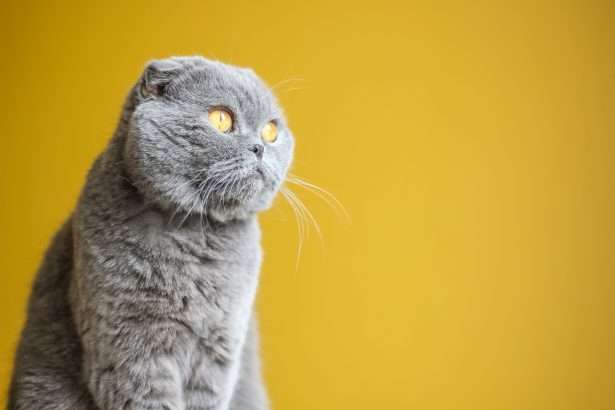
For additional breed-specific information, explore the Complete Scottish Fold Cat Guide and The Ultimate Guide to the British Shorthair.
4. Individual Experiences, Age, and Health: The Factors That Make Every Cat Unique
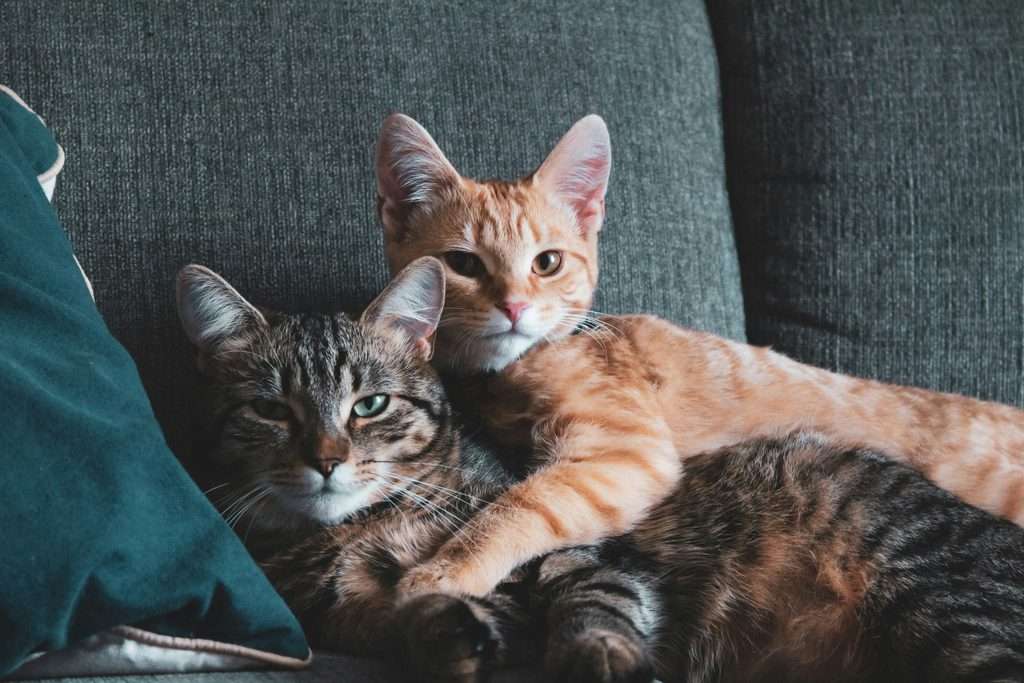
Genetics and early socialization are important, but a cat’s personality continues to develop through everyday experiences. Age, learning, relationships, and physical well-being can all contribute to behavioral differences between cats of the same breed.
Understanding Behavioral Changes Throughout a Cat’s Life
A young cat may be energetic, curious, and constantly interested in exploring its surroundings. As it matures, its activity patterns and social preferences may change.
Some cats become more relaxed with age, while others maintain playful habits well into adulthood.
Individual learning also matters. Cats remember experiences and may adjust their behavior according to what they have learned.
For instance:
- A cat that receives positive attention during gentle handling may become more comfortable with being touched.
- A cat that associates unfamiliar visitors with frightening experiences may hide whenever someone arrives.
- A cat that enjoys interactive play may become more confident when given regular opportunities to explore and hunt through toys.
- A cat that repeatedly experiences competition around food may become protective of its feeding area.
Scientific research published in Development and Psychobiology in 2023 followed kittens as they developed into adulthood. The findings showed that individual behavioral differences could become more consistent with age.
This supports the idea that personality is not simply fixed at birth.
Health is another important consideration.
A cat that suddenly becomes withdrawn, aggressive, unusually vocal, or less interested in interaction may be experiencing discomfort or illness rather than displaying a permanent personality change.
Watch for accompanying signs such as:
- Reduced appetite or unexplained weight changes.
- Hiding more frequently than usual.
- Reluctance to jump or move normally.
- Changes in grooming habits.
- Unusual sensitivity to touch.
- Changes in litter box behavior.
If these changes appear suddenly, persist, or occur alongside other symptoms, arrange a veterinary examination. Pain and medical conditions can affect a cat’s behavior, and it is important not to dismiss these changes as ordinary temperament.
The most helpful approach is to establish a baseline for your cat’s normal behavior and pay attention to meaningful changes over time.
Conclusion
Two cats can share the same breed, physical characteristics, and even similar family backgrounds while developing completely different personalities.
Their individual genetic inheritance, early socialization, household environment, learning experiences, age, and health all contribute to how they behave.
Rather than expecting your cat to behave exactly like other members of its breed, take time to understand its individual preferences. Provide a comfortable environment, positive interactions, appropriate enrichment, and consistent care.
Ultimately, the best way to understand a cat is to appreciate the individual behind the breed.
Frequently Asked Questions
1. Can two cats of the same breed have completely different personalities?
Yes. Cats of the same breed can differ in friendliness, confidence, activity levels, vocalization, and preferences for physical affection. Genetic variation and individual life experiences contribute to these differences.
2. Is a cat’s personality determined by genetics?
No. Genetics influence certain behavioral tendencies, but personality also develops through early socialization, environmental conditions, learning, and interactions throughout life.
3. Do kittens from the same litter develop different temperaments?
Yes. Even littermates can develop different personalities because they may inherit different genetic combinations and respond differently to their early experiences and surroundings.
4. Can a cat’s personality change as it gets older?
Yes. Behavioral preferences and activity levels may change as cats mature. However, sudden or unexplained changes should be evaluated by a veterinarian to rule out pain or illness.
5. Can owners influence their cat’s personality?
Owners cannot completely control a cat’s natural temperament, but they can encourage confidence and positive behavior through gentle handling, predictable routines, environmental enrichment, and respectful interactions.
References and Further Reading
- Salonen, M. et al. (2019). Breed differences of heritable behaviour traits in cats. Scientific Reports.
- Travnik, I. C. et al. (2020). Temperament in Domestic Cats: A Review of Proximate Mechanisms, Methods of Assessment, Its Effects on Human-Cat Relationships, and One Welfare. Animals.
- Reliability and Validity of Seven Feline Behavior and Personality Traits. Animals, 2021.
- Urrutia, A. et al. (2023). Development of “personality” in the domestic cat: A longitudinal study. Development and Psychobiology.
- Normal feline behaviour: … and why problem behaviours develop. Journal of Feline Medicine and Surgery.