Turkish Angora Cat: Complete Breed Guide, Personality, Care, and Health
The Turkish Angora is an elegant, intelligent, and affectionate cat breed known for its silky coat, expressive eyes, athletic body, and playful personality. Originally associated with Ankara, Turkey, this breed has a fascinating history and a reputation for forming strong relationships with its human family.
Although its beautiful white coat is widely recognized, the Turkish Angora comes in several colors and patterns. Behind its graceful appearance is an energetic cat that enjoys climbing, exploring, playing, and participating in everyday household activities.
If you are considering welcoming a Turkish Angora into your home, understanding its temperament, grooming requirements, nutritional needs, and potential health concerns will help you provide the right care.
1. Turkish Angora History and Physical Characteristics
Where Did the Turkish Angora Originate?
The Turkish Angora is a natural domestic cat breed that originated in Ankara, Turkey, historically known as Angora. It is considered one of the oldest recognized longhaired cat breeds and has played an important role in the history of domestic cats.
The breed became popular in Europe during the 16th century, particularly among people who admired its unusual coat and elegant appearance. However, its population declined when Turkish Angoras were increasingly incorporated into Persian breeding programs.
To protect the breed from disappearing, Turkey established a preservation program at Ankara Zoo during the 20th century. These efforts helped maintain the traditional Turkish Angora and supported its later introduction to North America.
Today, the breed is recognized by major cat organizations, including The International Cat Association (TICA) and the Cat Fanciers’ Association (CFA).
Physical Characteristics of Turkish Angora Cats
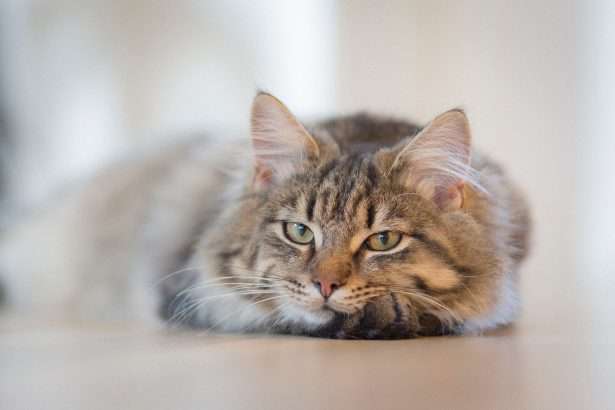
Turkish Angoras are medium-sized cats with a slender, athletic body. Their appearance combines delicate features with surprising physical strength.
Their most recognizable characteristics include:
- Body: Long, elegant, and muscular, with a fine-boned structure.
- Head: Small to medium-sized with a smooth, wedge-shaped appearance.
- Ears: Large, pointed, upright ears, sometimes featuring small tufts.
- Eyes: Almond-shaped eyes that may be blue, green, amber, gold, or different colors.
- Tail: Long and beautifully plumed, creating an elegant appearance.
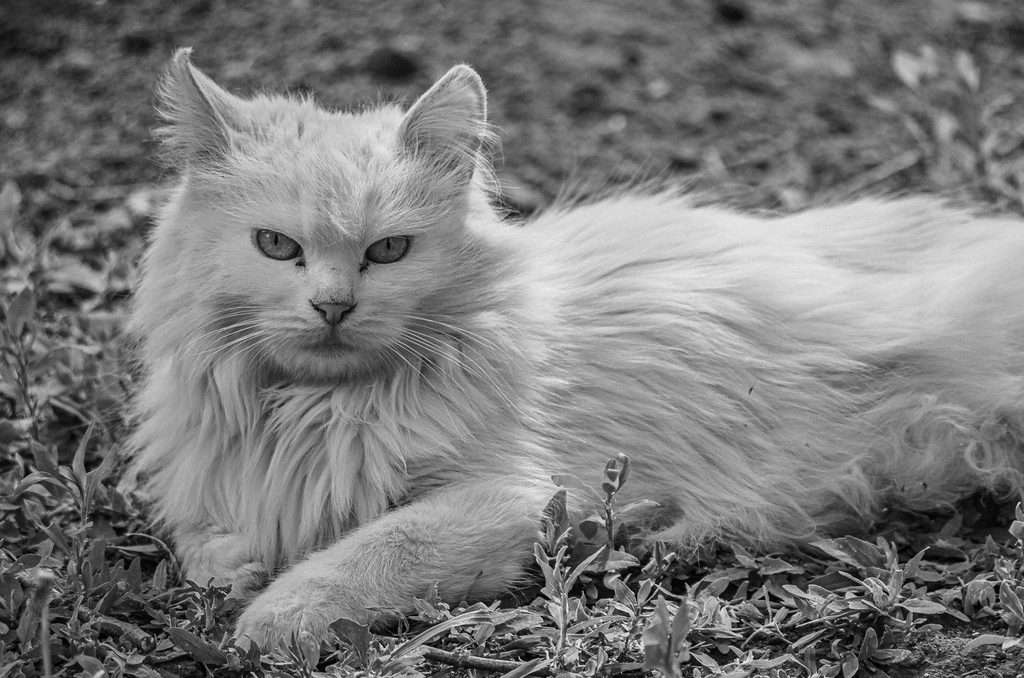
- Coat: A fine, silky, semi-longhaired coat with little undercoat.
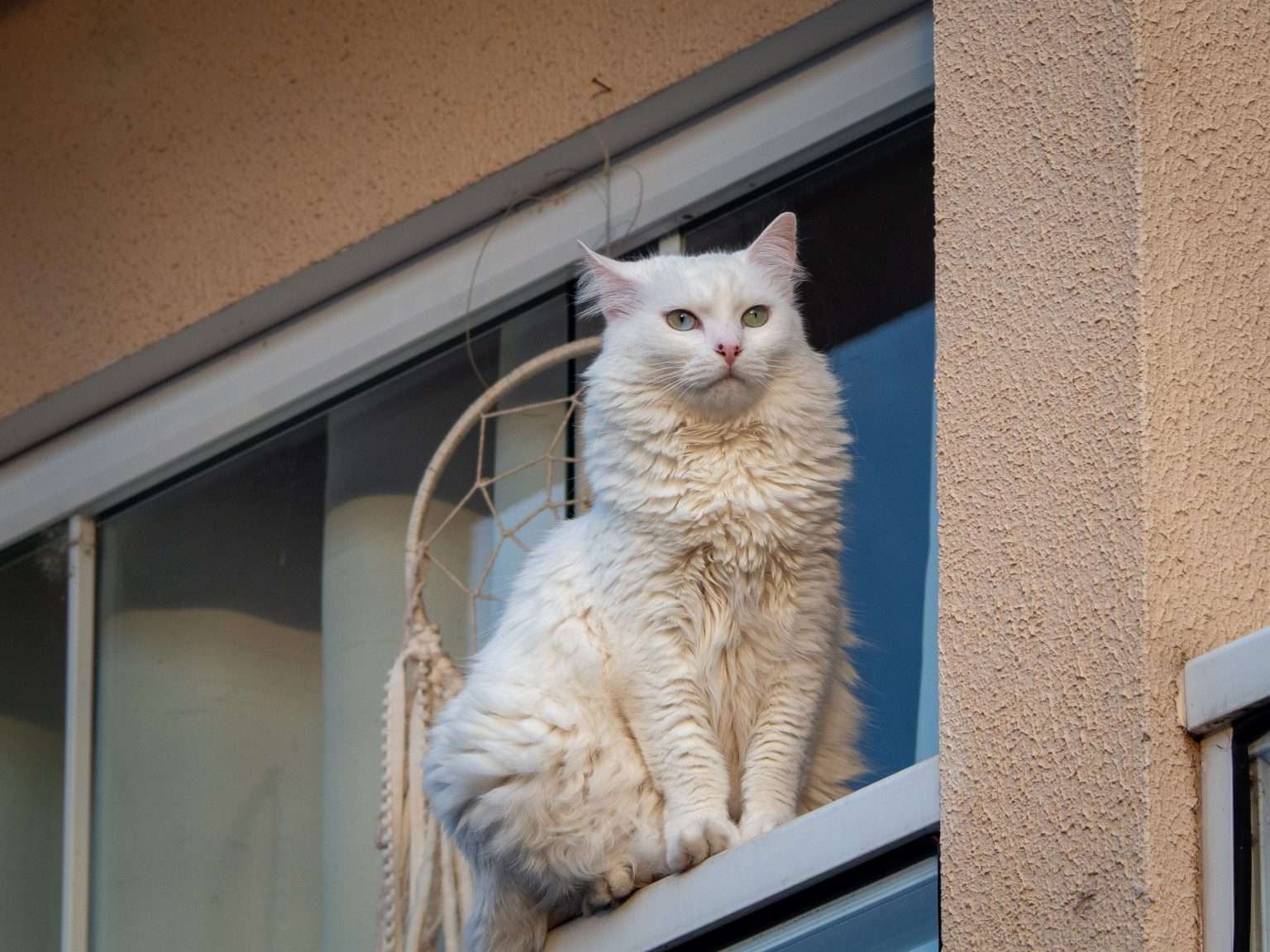
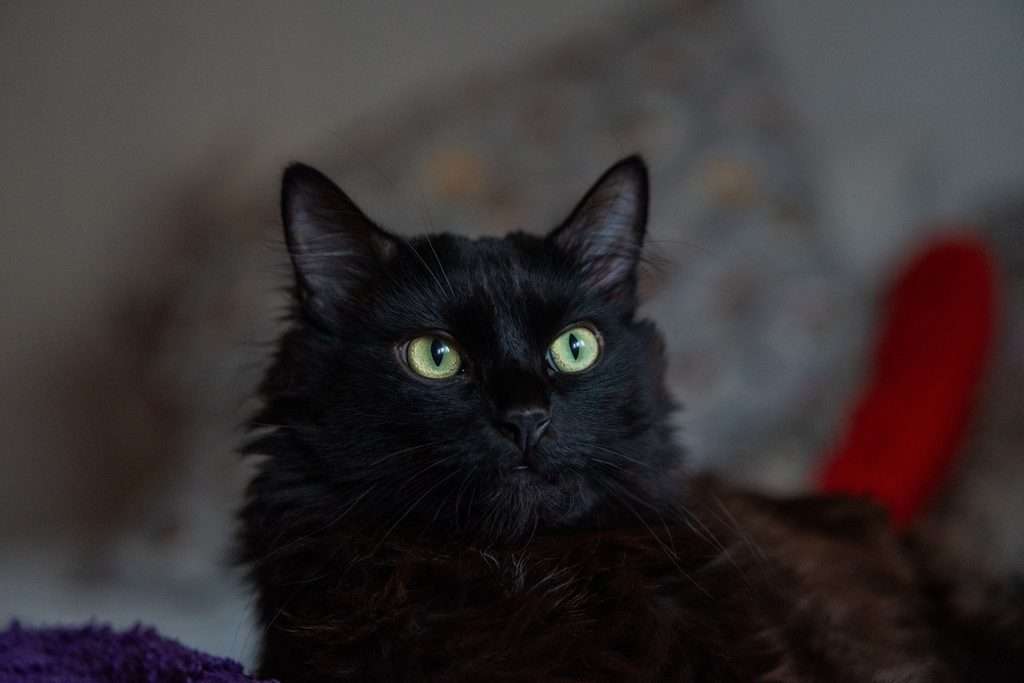
Although white is the traditional and most recognizable color, Turkish Angoras are not exclusively white. They can also have black, blue, red, cream, tabby, tortoiseshell, and other accepted color patterns.
One particularly attractive feature is their eye color. Some white Turkish Angoras have two blue eyes, while others have one blue eye and one amber, green, or gold eye. This condition is called heterochromia.
Breed information: TICA and CFA.

2. Turkish Angora Personality and Temperament
Are Turkish Angora Cats Affectionate and Friendly?
The Turkish Angora personality is one of the main reasons this breed attracts cat lovers. These cats are generally affectionate, curious, intelligent, and highly interactive.
Unlike cats that prefer spending most of their time sleeping in quiet corners, Turkish Angoras often want to participate in household activities. They may follow their owners from room to room, investigate new objects, or sit nearby while their families work.
However, affection does not always mean enjoying constant cuddling. Some Turkish Angoras prefer staying close to their owners without spending long periods on their laps.
Important personality traits include:
- Intelligence: They learn routines quickly and can sometimes figure out how to open doors or cabinets.
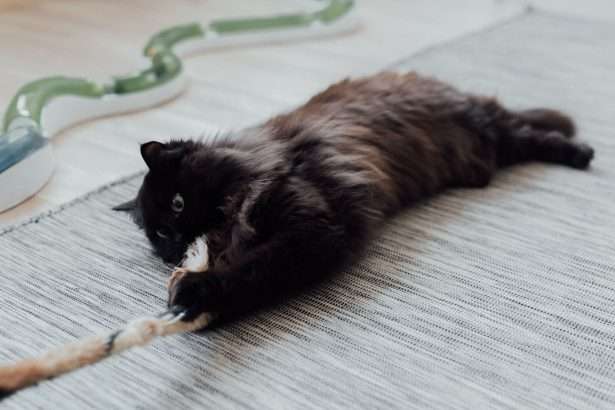
- Playfulness: They enjoy chasing toys, climbing, jumping, and interactive games.
- Social behavior: Many develop strong relationships with their owners and enjoy meeting familiar visitors.
- Curiosity: They investigate new surroundings and are interested in everyday activities.
- Confidence: They often enjoy exploring elevated spaces and observing their environment.
Turkish Angoras can also live comfortably with other cats and cat-friendly dogs when introductions are handled gradually. Their active personalities make companionship and regular interaction particularly valuable.
Are Turkish Angoras Good Family Cats?
They can make excellent family companions, especially in households where people have enough time to provide attention and play.
Their intelligence and energy levels make them suitable for owners who enjoy interacting with their pets rather than simply having a quiet companion.

However, children should learn to handle cats gently and respect their personal space. A Turkish Angora may become uncomfortable if someone repeatedly disturbs it or forces physical contact.
These cats also benefit from an enriched home environment. Consider providing:
- Tall cat trees and secure climbing shelves.
- Interactive toys that encourage hunting behavior.
- Puzzle feeders and food-dispensing toys.
- Window perches for watching outdoor activity.
- Short training sessions using positive reinforcement.
Their love of climbing means that fragile objects and unsafe high surfaces should be secured.
If you enjoy learning how different breeds behave, explore our American Bobtail cat breed guide.
3. Turkish Angora Cat Care, Grooming, and Nutrition
How to Groom and Feed a Turkish Angora Properly
Despite its long, beautiful coat, the Turkish Angora is relatively easy to groom compared with many other longhaired breeds.
Its silky coat usually has little undercoat, which reduces the likelihood of severe tangles and mats. Nevertheless, regular grooming remains important for maintaining healthy skin and removing loose hair.
Grooming Requirements
A gentle brushing session approximately once or twice a week is generally sufficient for many Turkish Angoras. However, individual needs may vary depending on coat length, age, and seasonal shedding.
A practical grooming routine includes:
- Brush the coat: Use a soft slicker brush or suitable metal comb to remove loose hair.
- Check sensitive areas: Pay attention to the area behind the ears, under the legs, and around the tail.
- Clean the eyes: Gently remove accumulated discharge using a clean, damp cloth.
- Trim the nails: Check the claws regularly and trim them when necessary.
- Maintain dental hygiene: Use cat-specific toothpaste and introduce toothbrushing gradually.
Bathing is not usually necessary unless the cat becomes unusually dirty or develops a specific skin-care requirement.
For additional advice, follow a consistent daily cat care routine.
Nutrition and Feeding Requirements
Turkish Angoras are energetic cats that benefit from a complete and balanced diet appropriate for their life stage.
Their nutritional requirements depend on age, body condition, activity level, and overall health.
A suitable feeding plan should include:
- High-quality animal protein to support muscle maintenance.
- Appropriate fat levels to provide energy.
- Essential amino acids, including taurine.
- Vitamins and minerals required for normal body functions.
- Fresh drinking water available throughout the day.
Choose commercially prepared cat food that meets recognized nutritional standards. Both wet and dry foods can be suitable when they provide complete and balanced nutrition.
Wet food can also help increase dietary moisture intake, while dry food may be convenient for certain feeding routines.
Avoid assuming that an active Turkish Angora needs unlimited food. Measure portions according to its calorie requirements and monitor its body condition to prevent unwanted weight gain.
Kittens, adult cats, and senior Turkish Angoras may need different feeding schedules and nutritional formulations.
Exercise and Mental Stimulation
Because Turkish Angoras are naturally athletic, physical activity should be part of their daily routine.
Try providing several short interactive play sessions throughout the day. Wand toys, lightweight balls, climbing structures, and supervised games can help satisfy their natural hunting instincts.
Mental stimulation is equally important. Teaching simple tricks, introducing puzzle feeders, and rotating toys can help prevent boredom.
An indoor environment with secure climbing opportunities can provide exercise while reducing exposure to outdoor hazards.
4. Turkish Angora Health, Lifespan, and Responsible Ownership
Common Health Concerns and How to Keep Your Cat Healthy
Turkish Angoras are generally considered healthy cats, and many enjoy long lives when provided with appropriate nutrition, preventive veterinary care, and a safe environment.
Their lifespan is commonly reported around 15–20 years, although individual longevity depends on genetics, healthcare, lifestyle, and other factors.
Nevertheless, prospective owners should understand two health considerations associated with this breed.
1. Congenital Deafness in White Turkish Angoras
One important concern involves congenital deafness, particularly among white cats with blue eyes.
The genetic factors associated with white coat color can also affect the development of hearing structures in the inner ear.
Some white cats may have hearing loss in one ear, while others may be deaf in both ears. Cats with one blue eye and one differently colored eye may have hearing loss on the side of the blue eye.
A veterinary hearing assessment called the Brainstem Auditory Evoked Response (BAER) test can help identify hearing impairment.
Deaf cats can still enjoy comfortable lives, but owners should take additional safety precautions. Keeping them indoors or within a secure outdoor enclosure is particularly important because they may not hear approaching vehicles, alarms, or other dangers.
2. Hypertrophic Cardiomyopathy (HCM)
Hypertrophic cardiomyopathy is a heart condition characterized by abnormal thickening of the heart muscle.
It can occur in cats of different breeds. Although it is not exclusive to Turkish Angoras, TICA recommends appropriate screening by responsible breeders.
Possible warning signs of heart disease include:
- Difficulty breathing.
- Unusual tiredness or reduced activity.
- Reduced appetite.
- Weakness or sudden collapse.
Some affected cats may show no obvious symptoms during the early stages.
If your cat develops breathing difficulties, sudden weakness, or collapse, seek urgent veterinary attention. A veterinarian may recommend cardiac imaging, including an echocardiogram, when appropriate.
Choosing a Healthy Turkish Angora Kitten
If you are planning to purchase a Turkish Angora kitten, choosing a responsible breeder is just as important as selecting a kitten with the appearance you prefer.
Before making a decision, ask the breeder about:
- The kitten’s veterinary examination and vaccination records.
- Hearing assessment for white kittens, particularly those with blue or odd-colored eyes.
- The parents’ health history and appropriate heart screening.
- Genetic and health information available for the breeding lines.
- Early socialization and living conditions.
Avoid choosing a kitten based exclusively on its coat color or eye appearance.
Adoption is another option worth considering. An adult Turkish Angora may be a suitable companion for someone who prefers a cat with an established personality.
Is the Turkish Angora the Right Cat for You?
The Turkish Angora is an excellent choice for people who appreciate intelligent, energetic, and affectionate cats. Its silky coat, elegant appearance, and engaging personality make it a distinctive companion.
However, this breed needs more than occasional attention. It benefits from regular play, mental stimulation, balanced nutrition, grooming, and preventive veterinary examinations.
Before bringing one home, consider whether your lifestyle can accommodate an active and social cat. With responsible ownership and consistent care, a Turkish Angora can become a wonderful member of the family.
Frequently Asked Questions About Turkish Angora Cats
1. Are Turkish Angora cats rare?
Yes. Turkish Angoras are relatively uncommon compared with many popular domestic cat breeds. Finding a reputable breeder may require patience, particularly if you are looking for a specific coat color.
2. Are Turkish Angora cats hypoallergenic?
No. Turkish Angoras are not hypoallergenic. They produce allergens, including Fel d 1, which can trigger allergic reactions in sensitive people.
3. Do Turkish Angora cats shed a lot?
They experience seasonal shedding, but their silky coat generally does not mat as easily as some other longhaired breeds. Regular brushing helps control loose hair.
4. Can Turkish Angora cats live indoors?
Absolutely. They can thrive indoors when provided with climbing structures, interactive toys, exercise, and sufficient mental stimulation.
5. Are Turkish Angora cats good for first-time owners?
They can be suitable for first-time owners who are prepared to provide regular attention, playtime, grooming, and veterinary care. Their energetic and curious personalities require an engaging home environment.
References and Further Reading
The following veterinary and feline organizations provide additional information about Turkish Angora characteristics, health, and responsible ownership: