
How to Build a Flexible Feeding Schedule for Cats That Refuse Fixed Meal Times
Cats do not always follow the feeding routines their owners create. Some cats prefer eating small amounts throughout the day, while others ignore their food at breakfast but become hungry later. This can make feeding time frustrating, especially when a cat consistently refuses to eat at scheduled hours.
- Why Some Cats Refuse Fixed Meal Times
- How to Create a Flexible Feeding Schedule for Your Cat
- How to Adjust Feeding Times Without Creating Stress
- How to Monitor Food Intake and Know When to Seek Veterinary Advice
- Conclusion
- Frequently Asked Questions
- 1. Can I feed my cat whenever it wants?
- 2. How many small meals should I give my cat each day?
- 3. What should I do if my cat refuses breakfast?
- 4. Is an automatic feeder suitable for cats with irregular eating habits?
- References and Further Reading
Learning how to build a flexible feeding schedule for cats can help solve this problem without compromising their nutritional needs. Rather than forcing every cat to follow the same timetable, owners can adjust meal frequency and feeding opportunities to match their cat’s appetite, habits, and household routine.
The goal is not to let cats eat unlimited amounts whenever they want. It is to establish a manageable feeding system that provides enough daily nutrition, prevents overeating, and allows cats to eat when they feel comfortable.
With the right approach, even cats that dislike fixed meal times can develop healthy and predictable eating habits.
Why Some Cats Refuse Fixed Meal Times
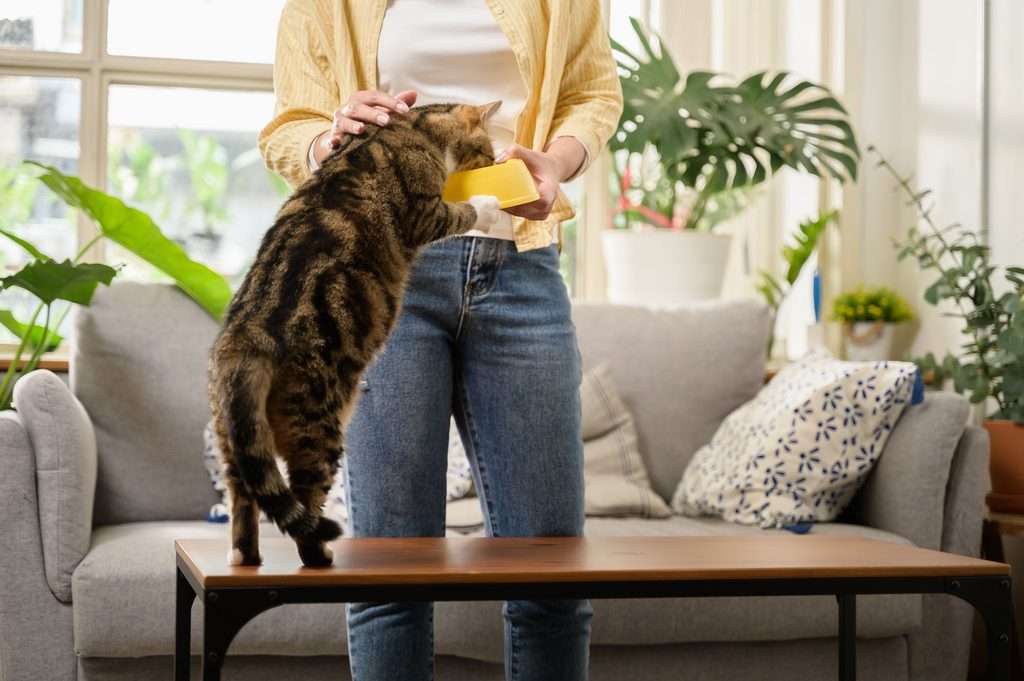
Cats have individual eating preferences. While some quickly recognize breakfast and dinner routines, others prefer several smaller meals instead of eating large portions at specific hours. Understanding these differences is the first step toward creating a suitable feeding plan.
Natural Eating Habits and Individual Preferences
Cats are natural hunters that typically consume multiple small meals throughout the day. Their feeding behavior is influenced by instinct, activity levels, environmental conditions, and individual preferences.
A cat that refuses breakfast at 7 a.m. may simply not feel hungry at that moment. It might prefer eating after playing, resting, or exploring its surroundings.
Several factors can influence a cat’s willingness to eat at scheduled times:
- Appetite differences: Some cats naturally prefer smaller portions spread across the day.
- Activity patterns: A cat may become hungry after periods of movement or play.
- Environmental distractions: Loud noises, unfamiliar people, or other pets can make eating uncomfortable.
- Food preferences: Temperature, texture, freshness, and flavor may affect whether a cat accepts a meal.
- Previous feeding habits: Cats accustomed to free feeding may take time to adjust to scheduled meals.

According to the Cornell Feline Health Center , feeding frequency should take into account a cat’s age, health, and individual preferences.
It is therefore important to distinguish between a cat that naturally prefers flexible eating and one that has suddenly lost interest in food. A new or persistent appetite change should never automatically be considered a behavioral preference.
How to Create a Flexible Feeding Schedule for Your Cat
A flexible feeding schedule does not mean feeding your cat without limits. Instead, it involves dividing the recommended daily food allowance into smaller portions and offering them at times that suit your cat’s eating behavior.
This approach can be particularly useful for cats that eat slowly, walk away from their bowls, or prefer returning to their food several times throughout the day.
Choose Between Scheduled Meals, Small Portions, and Grazing
There are three practical feeding methods to consider:
1. Multiple small meals
Divide your cat’s daily food allowance into three or four smaller meals. You can offer them in the morning, afternoon, evening, and before bedtime.
This method works well for cats that become hungry at different times but still benefit from measured portions.
2. Controlled grazing
Some cats prefer eating a little at a time rather than finishing their food immediately.
For suitable cats, you can measure the entire daily allowance of dry food and make it available throughout the day. However, monitor how much remains to ensure your cat does not consume too much.
3. Timed feeding
Offer food for a reasonable period, then remove what remains and offer the next portion later.
This method helps establish eating opportunities without requiring your cat to finish every meal immediately.
According to the ASPCA’s cat nutrition guidance, portion-controlled, timed, and free-choice feeding are different approaches that can be adapted to individual circumstances.
| Feeding method | Best suited for |
|---|---|
| Three to four small meals | Cats that prefer smaller portions |
| Controlled grazing | Cats that naturally regulate their intake |
| Timed feeding | Cats that need more structured eating opportunities |
Remember that free feeding is not appropriate for every cat. Cats that overeat, gain excessive weight, or have difficulty controlling their appetite generally benefit from measured meals.
How to Adjust Feeding Times Without Creating Stress
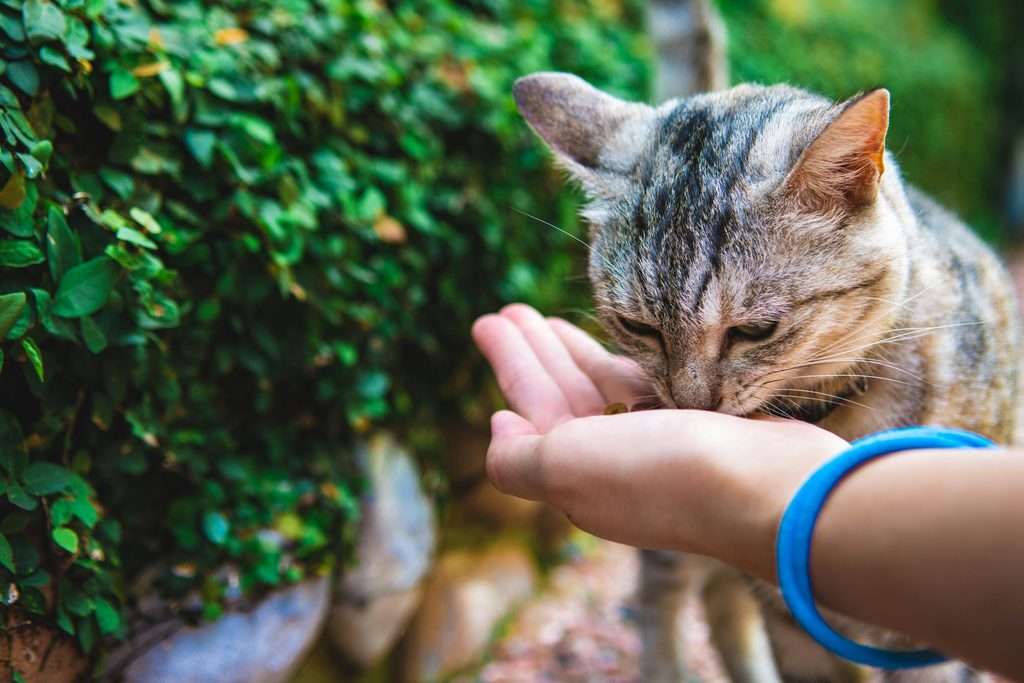
Changing a cat’s feeding routine requires patience. A cat accustomed to eating whenever it wants may become confused if food suddenly appears only at specific hours.
Rather than introducing a strict timetable overnight, make gradual adjustments while observing your cat’s response.
Build a Feeding Routine Around Your Cat’s Daily Activity
Start by observing your cat for several days. Record when it usually approaches its food bowl, how much it eats, and whether it prefers eating after sleeping, playing, or interacting with family members.
Use these observations to create a flexible daily plan.
For example, an adult cat that refuses breakfast but eats enthusiastically later might follow this routine:
| Time | Feeding opportunity |
|---|---|
| 7:00 AM | Small measured breakfast portion |
| 11:00 AM | Optional dry food portion |
| 3:00 PM | Small afternoon meal |
| 7:00 PM | Main evening meal |
| 10:00 PM | Small bedtime portion |
Example only. Adjust portions and frequency according to your cat’s daily calorie requirements, body condition, and veterinary advice.
You do not need to use these exact hours. The important point is to provide consistent opportunities while allowing reasonable flexibility.
If your cat regularly ignores the morning portion but eats later, you can redistribute the daily allowance rather than repeatedly adding extra food.
A few practical adjustments can make the process easier:
- Offer food after playtime if your cat tends to become hungry following activity.
- Use a quiet feeding location away from household traffic.
- Avoid placing food bowls close to litter boxes.
- Provide separate feeding areas in multi-cat households.
- Consider an automatic feeder if your schedule changes frequently.
- Keep fresh drinking water available throughout the day.
Automatic feeders can be particularly helpful when owners work long hours. They allow measured portions to be dispensed at selected times without requiring someone to be home for every feeding opportunity.
How to Monitor Food Intake and Know When to Seek Veterinary Advice
A flexible feeding plan should always include some form of monitoring. Without it, owners may find it difficult to determine whether their cats are receiving enough food or consuming more calories than necessary.
The objective is to maintain a healthy body condition while accommodating individual eating preferences.
Recognize Healthy Eating Patterns and Warning Signs
Begin by measuring your cat’s total daily food allowance. You can use a kitchen scale for dry food or carefully measure wet food portions.
Keep a simple record of:
- The amount of food offered each day.
- How much remains after feeding.
- Changes in appetite or eating speed.
- Weekly body weight, when practical.
- Any changes in thirst, activity, or behavior.
Pay particular attention to sudden changes.
A cat that has always preferred small meals is different from one that previously ate normally but suddenly begins refusing food.
Contact your veterinarian if you notice:
- A sudden or persistent reduction in appetite.
- Unexplained weight loss or weight gain.
- Repeated vomiting or diarrhea.
- Difficulty chewing or swallowing.
- Increased thirst or urination.
- Unusual tiredness or changes in normal behavior.
If an adult cat stops eating, do not assume it is simply being fussy. Contact your veterinarian promptly, particularly if it approaches 24 hours without eating. Kittens, senior cats, and cats with existing medical conditions may require earlier attention.
Cats with diabetes, kidney disease, or other medical conditions may need individualized feeding times and dietary instructions. Do not change a prescribed feeding plan without consulting the veterinarian responsible for their care.
Also remember that kittens have different nutritional requirements from adult cats. Cornell recommends more frequent meals for young kittens, with feeding frequency generally decreasing as they mature. See the Cornell guide to cat feeding frequency for age-related recommendations. Vétérinaire Cornell+1
Conclusion
Building a flexible feeding schedule for cats that refuse fixed meal times is about understanding individual eating habits rather than forcing every cat to follow the same routine.
Some cats thrive on three or four small meals, while others prefer controlled grazing throughout the day. Both approaches can work when daily portions are measured, nutritional requirements are met, and body weight is monitored.
Start by observing your cat’s natural appetite, establish convenient feeding opportunities, and make adjustments gradually. Most importantly, never overlook sudden changes in eating behavior, as they can indicate an underlying health problem.
A successful feeding routine should fit your cat’s preferences while protecting its long-term health.
Frequently Asked Questions
1. Can I feed my cat whenever it wants?
You can allow controlled grazing if your cat regulates its food intake well. However, measure the daily allowance rather than continuously refilling the bowl to prevent overeating and excessive weight gain.
2. How many small meals should I give my cat each day?
Many adult cats do well with two meals daily, while others benefit from three or four smaller meals. The ideal frequency depends on age, health, appetite, and individual nutritional needs.
3. What should I do if my cat refuses breakfast?
Observe whether your cat eats normally later in the day. If its overall appetite, activity, and weight remain stable, adjusting the timing or dividing meals differently may help. However, a new loss of appetite deserves veterinary attention.
4. Is an automatic feeder suitable for cats with irregular eating habits?
Yes. An automatic feeder can provide measured portions at different times throughout the day. It is particularly useful for owners with busy schedules or cats that prefer several small meals.
References and Further Reading
The following veterinary and animal-health resources support the feeding recommendations in this article:
1. Cornell Feline Health Center – How Often Should You Feed Your Cat?. Guidance on feeding frequency, age-related nutritional needs, and individual preferences.
2. AAFP/AAHA Feline Life Stage Guidelines. Veterinary recommendations covering feeding strategies, environmental enrichment, and weight management.
3. ASPCA – Cat Nutrition Tips. Information about portion control, timed feeding, and free-choice feeding.
4. VCA Animal Hospitals – Feeding Times and Frequency for Cats. Practical information about feeding frequency, grazing, and daily meal routines.
5. AAFP – How to Feed Cats: Consensus Statement. Guidance on natural feline feeding behavior, frequent small meals, and feeding environments.