
Why Does Your Cat Develop Small Knots in Its Fur Even After Brushing?
Have you ever brushed your cat carefully, only to discover small knots appearing in its fur again a few hours or days later? This can be frustrating, especially when you regularly groom your pet and use what seems to be the right brush.
Small knots in cat fur are more common than many owners realize. They can develop because of loose undercoat hair, friction between body parts, natural coat texture, moisture, and grooming techniques that fail to reach deeper layers of fur.
Although occasional tangles are usually manageable, recurring knots may indicate that your cat needs a different grooming routine or additional attention to its skin and coat health.
Understanding why cats develop knots in their fur even after brushing can help you prevent matting, improve coat condition, and make grooming more comfortable for your feline companion.
1. Why Does Your Cat Develop Small Knots Even After Brushing?
Brushing removes loose hair and helps prevent tangles, but it does not always reach every layer of a cat’s coat. This is particularly important for cats with thick, medium-length, or long hair.
Several factors explain why small knots can return shortly after grooming.
Loose Undercoat Hair and Natural Shedding
One of the most common reasons for recurring knots is the accumulation of loose undercoat hair.
Many cats have two layers of fur:
- Outer coat: The visible layer that protects the skin and gives the coat its appearance.
- Undercoat: A softer, denser layer underneath that provides insulation.
During shedding periods, dead hairs can become trapped between healthy hairs instead of falling away naturally.
When your cat walks, sleeps, stretches, or cleans itself, these loose hairs become tangled with surrounding strands. Eventually, they form small knots that may be difficult to notice until you run your fingers through the coat.
“Cats are a mysterious kind of folk. There is more passing in their minds than we are aware of.”
Sir Walter Scott
This explains why brushing the surface sometimes makes little difference. A regular brush may remove visible loose hair without reaching the deeper undercoat.
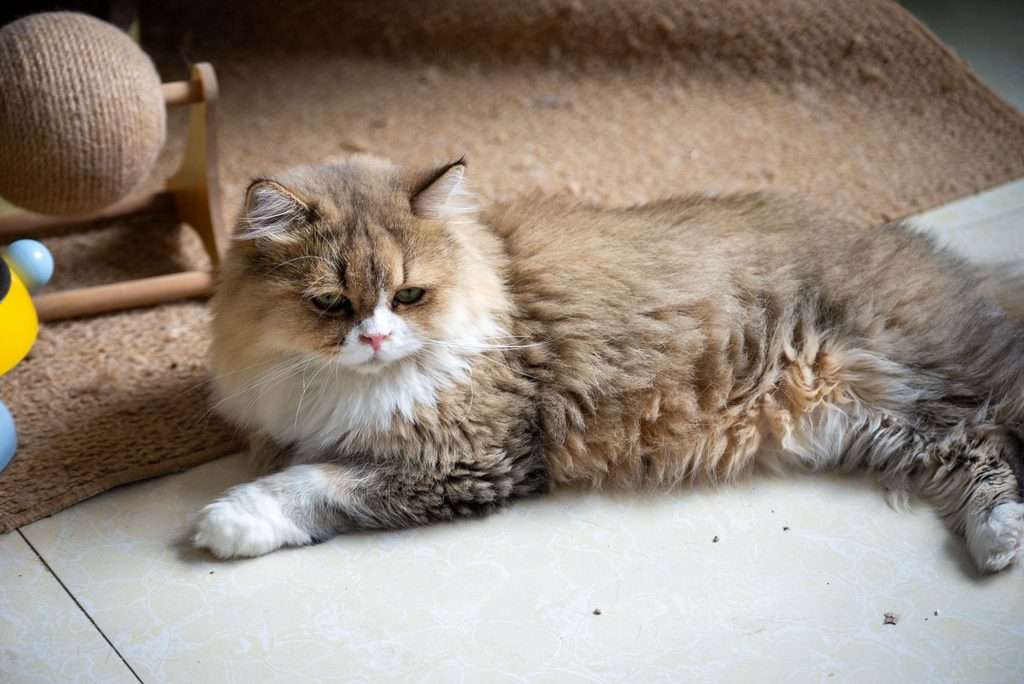
Cats with dense coats, including Maine Coons, Persians, and Ragdolls, may be particularly susceptible to this problem.
According to
, cats with long, silky, or curly coats often require more frequent grooming because their hair is more likely to become tangled.
2. Hidden Causes of Knots in Different Areas of Your Cat’s Body
Not every knot develops because of insufficient brushing. Sometimes, the location of the tangles provides important clues about what is happening to your cat’s coat.
Friction, Body Movement, and Moisture
Certain areas of a cat’s body experience more friction than others.
For example, when your cat walks, stretches, or curls up to sleep, its fur repeatedly rubs against itself or surrounding surfaces. This movement gradually encourages individual hairs to twist together.
Common areas where small knots develop include:
- Behind the ears: Fine hair can easily become tangled through movement and scratching.
- Under the armpits: Constant contact between the front legs and chest creates friction.
- Around the neck: Collars and natural body movement can encourage tangling.
- The chest and belly: Softer hair in these areas may become knotted when cats curl up or lie down.
- Behind the hind legs: Movement and contact between the legs can cause loose hair to collect.

Moisture can make the situation worse. Water, saliva, food residue, and damp fur may cause individual strands to stick together, making small tangles harder to separate.
For example, a cat that frequently licks its belly or chest may develop small clumps where saliva combines with loose hair.
Another possibility is that your cat has an underlying grooming difficulty. Older cats, overweight cats, and cats experiencing joint discomfort may struggle to reach certain areas of their bodies.
Consequently, loose hair can accumulate in places that your cat would normally maintain through self-grooming.
This is why the location of recurring knots matters just as much as their size.
3. Can Your Cat’s Brush or Grooming Technique Cause More Knots?
Brushing regularly does not automatically mean that your cat’s coat is receiving effective grooming. The type of brush, brushing direction, and technique all influence the results.
Choosing the Right Brush and Reaching the Undercoat
One common mistake is using a brush designed mainly for smooth, short coats on a cat with thick or long fur.
Although the brush may make the outer coat look clean and smooth, it might not remove the loose hair underneath.
Choosing the appropriate grooming tool depends on your cat’s coat type.
| Grooming tool | Main purpose |
|---|---|
| Soft bristle brush | Smooths the outer coat and removes surface debris |
| Metal comb | Detects hidden tangles and separates individual hairs |
| Slicker brush | Helps remove loose hair and manage certain tangles |
| Undercoat comb | Reaches loose hair within dense coats |
| Grooming mitt | Removes surface hair from many short-haired cats |
The most useful tool for identifying hidden knots is often a metal comb with appropriately spaced teeth.
After brushing, gently pass the comb through different sections of your cat’s coat. If it catches in certain places, you may have missed loose hair or an emerging tangle.
Your grooming technique also matters.
For better results:
- Start with the head and shoulders, where most cats are comfortable being touched.
- Work gradually toward the back, sides, and hindquarters.
- Separate thick fur into small sections so you can reach the underlying coat.
- Brush gently in the natural direction of hair growth.
- Use a metal comb to check areas that frequently develop knots.
- Finish by inspecting the belly, armpits, and areas behind the ears if your cat tolerates handling.
Avoid repeatedly brushing the same area with excessive pressure. This can irritate the skin and make future grooming sessions unpleasant.
The also recommends gentle handling, appropriate grooming tools, and particular attention to areas where tangles commonly develop.
If you want to establish a more consistent care schedule, you can also explore the daily cat care routine guide on Cat CareHub.
4. How to Prevent Small Knots and Keep Your Cat’s Fur Smooth
Preventing recurring knots requires more than simply increasing the number of brushing sessions. The goal is to remove loose hair effectively, identify problem areas early, and maintain a healthy coat.
Build a Grooming Routine That Matches Your Cat’s Coat
Different cats have different grooming requirements.
A short-haired cat may need brushing once or twice a week, while a long-haired cat may require daily attention to prevent tangles and mats.
However, these are general starting points rather than strict rules. Your cat’s individual coat density, shedding pattern, and grooming tolerance should determine the routine.
Consider these practical recommendations:
1. Brush in short, regular sessions.
Several gentle grooming sessions are often more effective than one long session. This allows you to remove loose hair before it becomes tightly tangled.
2. Check problem areas every day.
You do not need to brush your cat’s entire body daily. However, briefly checking behind the ears, under the legs, and around the belly can help you identify developing knots.
3. Avoid excessive bathing.
Cats generally do not need frequent baths. Unnecessary bathing can make grooming more complicated, particularly when existing tangles become tighter in wet fur.
If bathing is necessary, remove existing loose tangles beforehand and use products specifically recommended for cats.
4. Maintain proper nutrition.
A balanced diet containing appropriate amounts of protein, essential fatty acids, vitamins, and minerals supports normal skin and coat maintenance.
Poor nutritional balance can contribute to changes in coat condition. However, supplements should not be introduced without veterinary advice.
5. Pay attention to changes in grooming behavior.
If your cat suddenly stops cleaning certain areas, develops unusual hair loss, or becomes uncomfortable during brushing, investigate the reason rather than assuming it simply needs more grooming.
6. Keep grooming positive.
Offer treats, gentle praise, and breaks when necessary. If your cat becomes uncomfortable, stop and try again later.
When should you seek professional help?
Small, loose tangles can sometimes be removed gently at home. However, tightly packed mats should not be treated like ordinary knots.
Never use household scissors to cut a mat out of your cat’s fur. Cat skin is thin and can become trapped inside the tangled hair, making accidental injuries surprisingly easy.
Seek help from a veterinarian or experienced professional groomer if:
- Knots are becoming larger or spreading across the body.
- Mats are tightly attached to the skin.
- Your cat cries, bites, or reacts painfully when touched.
- You notice redness, wounds, swelling, or an unpleasant smell.
- Your cat suddenly develops extensive matting.
- Grooming difficulties appear alongside reduced mobility or changes in behavior.
The explains why severe mats require particular care and why scissors should never be used to remove them.
If recurring knots appear alongside excessive scratching, bald patches, or skin irritation, a veterinary examination can help identify possible parasites, allergies, infections, or other skin conditions.
Conclusion
Small knots in your cat’s fur can develop even after regular brushing because loose undercoat hair, friction, moisture, and unsuitable grooming tools may contribute to repeated tangling.
The best solution is to understand your cat’s coat type, choose appropriate grooming tools, and pay particular attention to areas where knots frequently form.
Remember that recurring matting is not always a sign of poor grooming. Sometimes, it reflects changes in your cat’s physical condition or ability to maintain its coat.
With consistent care, gentle brushing, and timely veterinary attention when necessary, you can help your cat maintain a smoother, healthier, and more comfortable coat.
Frequently Asked Questions (FAQs)
1. Why does my cat get knots in its fur overnight?
Friction during sleep, natural movement, and loose shedding hair can cause individual strands to become tangled. Cats with thick or long coats are particularly susceptible.
2. Should I brush my cat every day to prevent knots?
Long-haired cats generally benefit from daily brushing, while many short-haired cats need less frequent grooming. Adjust the routine according to coat density and shedding.
3. Can poor nutrition cause knots in cat fur?
Nutritional imbalances can affect skin and coat condition, potentially contributing to poor coat quality. However, knots themselves are more commonly associated with loose hair, friction, and coat structure.
4. Is it normal for short-haired cats to develop small knots?
Yes. Although less common, short-haired cats can develop small tangles, especially during shedding, when loose hair accumulates or friction occurs.
5. Should I cut small knots out of my cat’s fur?
Avoid using household scissors. Loose tangles may be gently separated with an appropriate comb, but tight knots should be assessed by a professional groomer or veterinarian.
External References and Sources