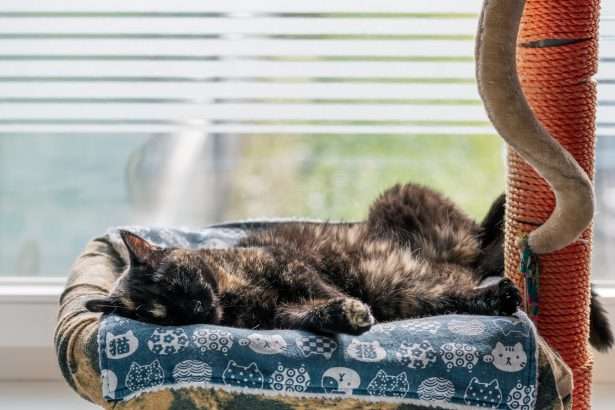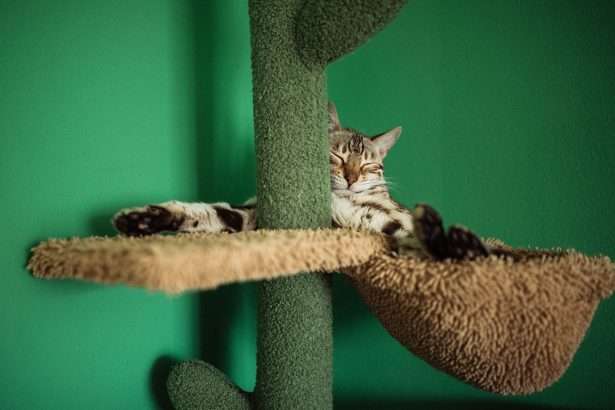

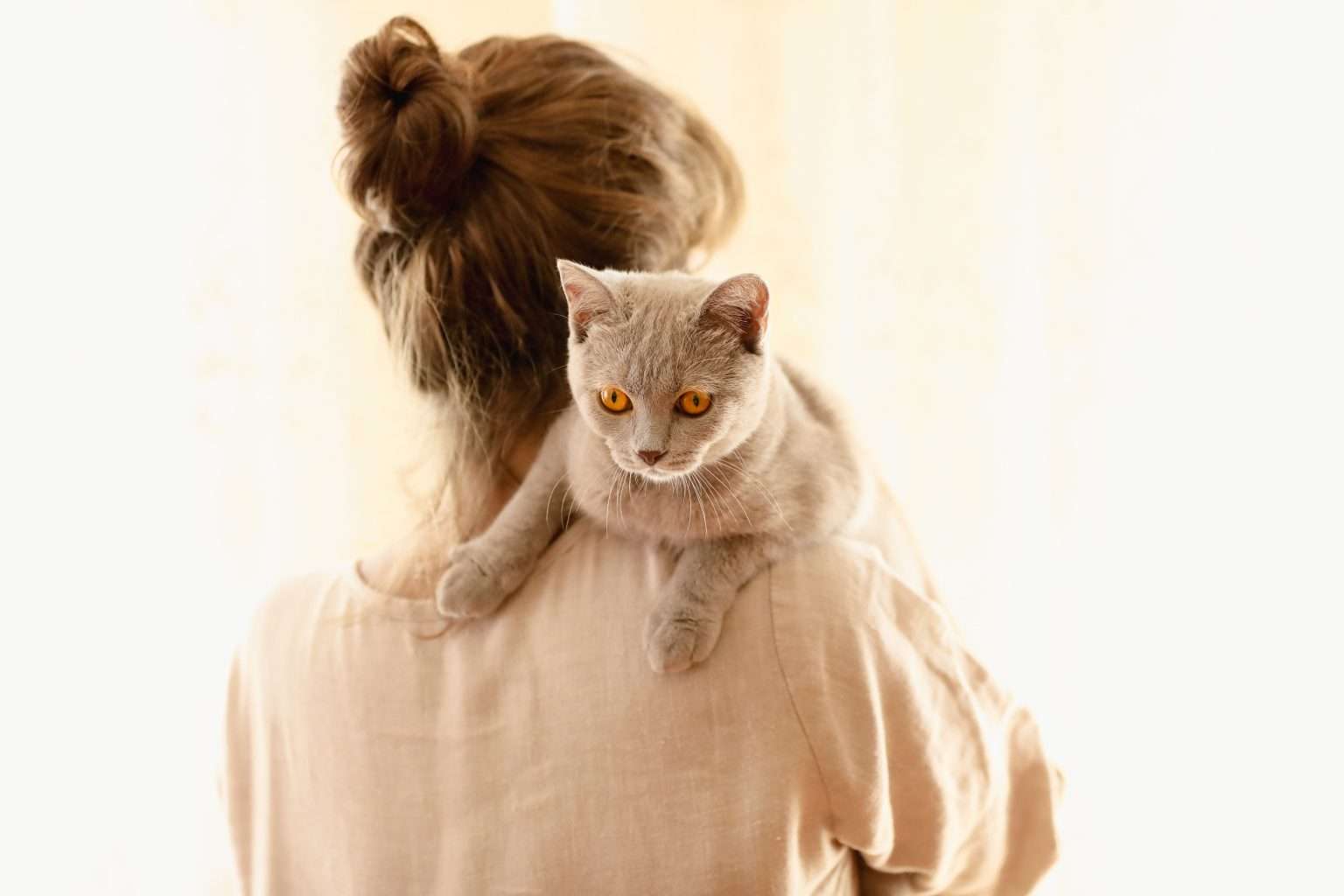
A cat that starts meowing earlier, hiding more, or waiting by its food bowl after your schedule changes may be responding to a shift in familiar daily cues. Cat routine changes can affect what your cat expects from you and from the home. Even small shifts in meal times, household activity, or time together may change familiar habits.
Your cat’s response may be subtle, such as sleeping in a different spot, or more noticeable, such as increased vocalizing. Paying attention to when a change began can help you see whether it lines up with a new schedule or a change at home. A behavior change can reflect a disrupted routine, but it is worth looking at both the cat’s environment and its health.

Key Takeaways
- Meal times and household activity can become familiar cues.
- A cat may react to less time with its caregiver.
- Stress is one possible cause of behavior changes, but not the only one.
- Keep familiar parts of the day steady when you can.
- Note when new behaviors begin and what changed at home.
Why Cat Routine Changes Affect Behavior
Cats can build their daily expectations around recurring cues such as meals, cleaning, daylight, and the sounds of people at home. Predictable patterns help a cat anticipate what happens next. A change in feeding time or household activity can make those familiar signals less clear.
A 2025 study of 12 group-living cats found they were active for an average of 14.86% of the day, with more activity during daytime. Two daily activity peaks coincided with caretaker tasks, including feeding and cleaning. The cats spent an average of 85.5% ± 3.75 of their time inactive.
Predictability, familiarity, and routine help cats cope with stress.
Cats Read Daily Cues
The AAFP and ISFM guidelines describe cats as solitary hunters that may eat 10-20 small prey per day. Their natural pattern can help explain frequent interest in food. Feeding and cleaning tasks can become cues that shape a cat’s daily activity.
Cats typically sleep 16 to 20 hours a day, so substantial rest is expected. A further decrease in activity, though, may signal stress. A changed schedule can affect when a cat expects meals, play, or household movement, even if the total amount of care stays the same.
Familiar People Can Be Reassuring
Some cats also rely on their caregiver’s presence as reassurance. In one evaluation, 64% of evaluated cats were securely attached to their human caregivers and showed less stress when near them. Less access to a familiar person may affect a cat’s comfort.
Separation-related behavior is not limited to a typical workday; it may be more noticeable when an owner is away for several days. Cats differ in how they respond to changes in caregiver availability. Keeping a familiar sequence of care can give a cat a stable point of reference even when the exact timing shifts.
Which Behavior Changes Should You Watch?
A routine change may explain a new habit, but a behavior shift can also be an early clue that a cat is unwell. Watch for patterns in appetite, litter box use, grooming, and how your cat responds to people. Stress may be involved, but pain or illness can also change behavior.
Keep a brief note of when the change happens and what else is different at home. These four areas can help you describe the change clearly:
- Appetite changes, including eating less or refusing food.
- Litter-box changes, including accidents or altered use.
- Increased vocalization or more time spent hiding.
- Excessive grooming or noticeably reduced grooming.

A 2011 Ohio State study included 20 cats with interstitial cystitis and 12 healthy cats. Routine disruptions coincided with vomiting, food refusal, and litter-box problems in both groups. The findings show why a change in behavior should not automatically be blamed on anxiety.
Cats with separation anxiety may show inappropriate elimination, excessive vocalization, or overgrooming. Schedule changes can prompt or worsen these behaviors. They may also become more apparent when an owner is away for a few days, rather than during an ordinary workday.
A cat that eats little or nothing for about 24 hours should receive a veterinary examination. Kittens and cats with chronic medical conditions may need care sooner. Repeated straining in the litter box without producing urine is a veterinary emergency. Seek emergency veterinary care if your cat repeatedly strains to urinate without producing urine.
How Can You Help Your Cat Adjust?
Keep the parts of your cat’s day that you can control familiar, even when your work hours or household activity change. Preserve familiar sequences for meals, play, and cleaning when possible. Shift meal times gradually instead of moving them all at once.
During noisy or busy periods, give your cat a quiet retreat with familiar bedding and access to food, water, and the litter box. Daylight and temperature can also affect a cat’s routine and activity, even when your household schedule stays the same.

Keep Familiar Cues in Place
Keep feeding, play, and cleaning in their usual order when the clock time has to change. For a clock change, adjust feeding times by 10-15 minutes per day during the week beforehand. This gives your cat time to encounter the new timing in smaller steps.
Make Bigger Changes Easier
Household work, a new schedule, or construction can shift familiar cues. Use a quiet retreat when activity rises, and keep its essentials easy to reach. The table offers practical adjustments for common shifts:
| Routine change | What may shift for the cat | Practical adjustment |
|---|---|---|
| Clock change | Meal-time cue shifts | Adjust meals by 10-15 minutes daily in the week beforehand |
| Owner schedule change | Familiar feeding or play cues move | Preserve their usual order where possible |
| Construction or other household noise | Familiar surroundings become noisier | Provide a quiet retreat with food, water, litter box, and bedding |
“If having a soul means being able to feel love and loyalty and gratitude, then animals are better off than a lot of humans.”
James Herriot
A newly adopted cat may need two to six weeks to adjust to a home, depending on its background and personality. Adopted cats may take two to six weeks to settle in. Daylight and temperature shifts can also influence activity, so watch how your cat responds as conditions change.
If a change is predictable, begin adjusting the routine before it starts rather than making every change on the first day.
Conclusion
Even a modest change to a daily pattern can matter to a cat that depends on familiar cues. A predictable rhythm may help your cat feel more secure, even when your schedule or home shifts.
A new or persistent behavior change deserves attention to both environmental and health factors. Note any behavior changes alongside the schedule or household change, and contact your veterinarian if the change persists or raises concern.
FAQ
Can a change in my work hours make my cat anxious?
Yes, a shift in your availability can prompt or worsen separation-related behavior in some cats. A cat may react to different feeding, play, or attention cues when your work hours change. These behaviors are not limited to ordinary workdays, though; they may become more noticeable when you are away for several days. Consider the length of the absence and the cat’s usual pattern.
Why is my cat more vocal after I change my routine?
Your cat may vocalize because meal or attention cues have changed. A new schedule can shift when your cat expects food, play, or company, and vocalizing may be a response to that uncertainty. Notice when the meowing occurs and whether it follows a particular change. A new or persistent vocal change can also have a health cause, so contact your veterinarian if you are concerned.
How long does it take a cat to adjust to a new routine?
Adjustment depends on the cat and the size of the change. A small shift in meal timing may be easier than a move or a major household change. Newly adopted cats may take two to six weeks to adjust to a home, depending on their background and personality. Keep an eye on how your cat responds rather than expecting every cat to settle at the same pace.
Can a routine change make my cat stop eating?
Yes, stress related to a routine change may coincide with food refusal, but a cat that eats little or nothing for about 24 hours needs a veterinary examination. Kittens and cats with chronic medical conditions may need care sooner. Changes in appetite can also have a medical cause, so do not assume a schedule shift is the only explanation if your cat stops eating.