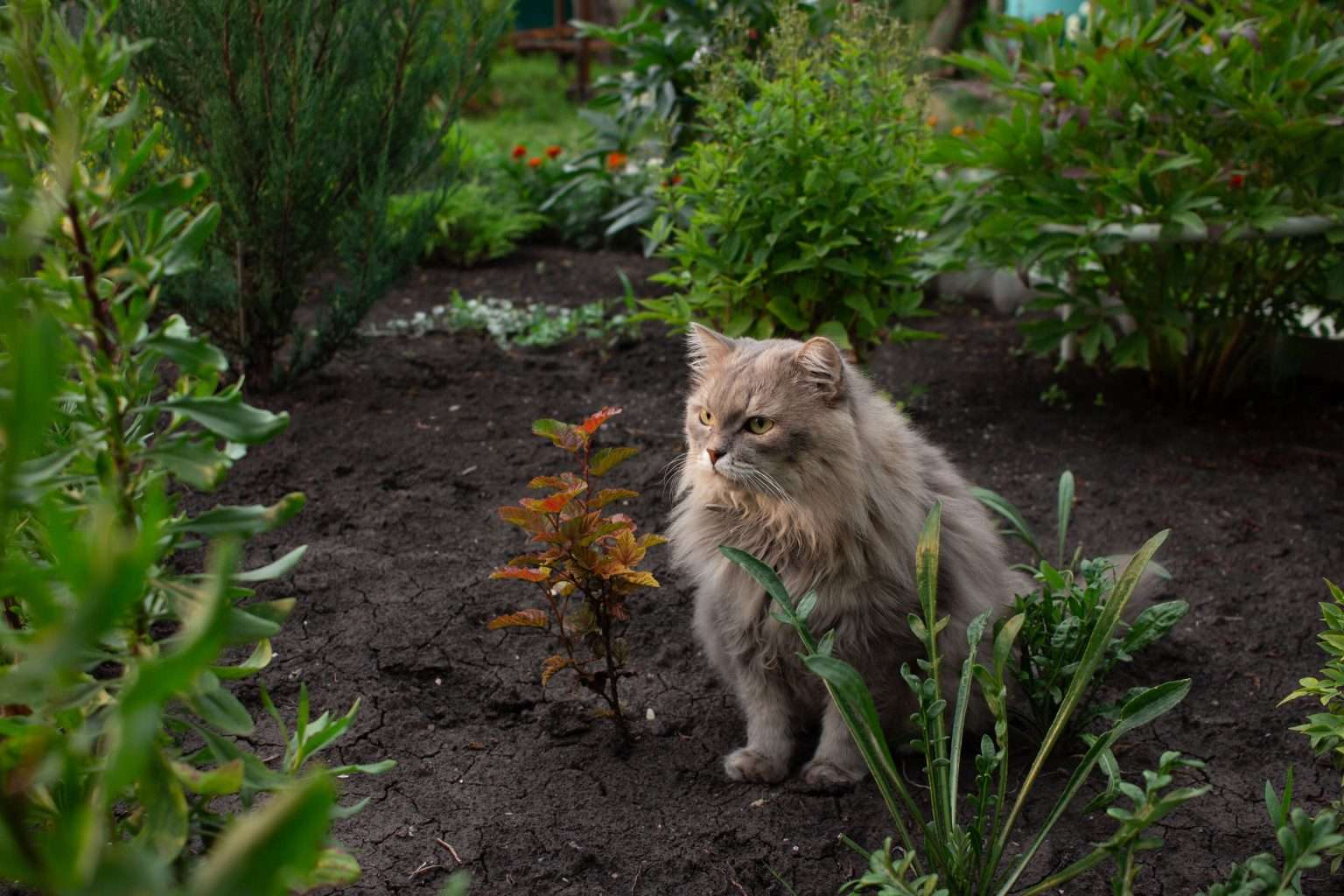
Have you ever watched your cat dig a small hole in the garden, relieve itself, and carefully cover the waste with soil before walking away? This familiar behavior may seem like a simple habit, but it has fascinating explanations rooted in feline instincts, communication, and survival.
- 1. Why Do Cats Dig a Hole Before Pooping?
- 2. Why Do Cats Bury Their Poop?
- Hiding Their Scent From Other Animals
- Communication and Social Behavior
- Keeping the Surrounding Area Cleaner
- 3. How Do Cats Cover Their Waste After Pooping?
- 4. Why Do Some Cats Leave Their Poop Uncovered?
- Personal Preferences and Early Experiences
- Litter Box Problems
- When Should You Contact a Veterinarian?
- 5. How Can You Encourage Healthy Bathroom Habits?
- Final Thoughts
Cats are naturally clean animals, and their bathroom habits are closely connected to their instincts. Whether they use loose soil outdoors or a litter box indoors, many cats follow a similar routine: they investigate the area, dig a hole, eliminate, and cover their waste.
But why do cats do this? Is it simply about cleanliness, or does burying their waste serve a deeper purpose?
Understanding why cats dig holes to poop and cover their waste can help you recognize normal feline behavior, create a comfortable litter box environment, and identify changes that might require veterinary attention.
1. Why Do Cats Dig a Hole Before Pooping?
An Instinct Inherited From Their Wild Ancestors
One of the main reasons cats dig before eliminating is their natural instinct. Domestic cats share many behavioral characteristics with their wild ancestors, including behaviors related to finding suitable places to relieve themselves.
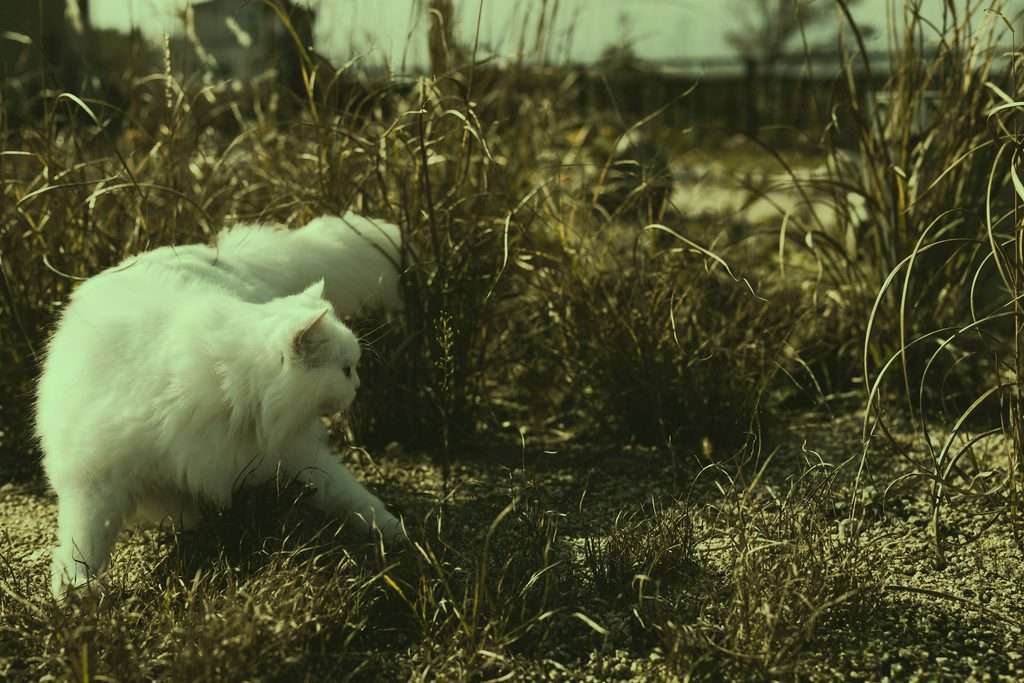
In the wild, loose soil, sand, and other soft materials provide convenient surfaces for digging. Cats can use their paws to create a shallow depression before eliminating and then push the surrounding material back over their waste.
Although domestic cats no longer need to hunt for survival in the same way as wild felines, many of these inherited behaviors remain.
This explains why a kitten may instinctively dig in a litter box without anyone teaching it how to do so.
Choosing a Suitable Bathroom Location
Cats can be selective about where they eliminate. They often prefer locations that provide a comfortable surface, enough space to move, and a degree of privacy.
Loose soil is particularly suitable because it is easy to move with their paws. The cat can dig without excessive effort and cover the waste afterward.
Outdoor cats may choose garden beds, sandy areas, or patches of soft earth because these surfaces make digging easier than hard ground.
Indoor cats often express the same preference by scratching and digging in their litter boxes.
However, not every cat follows this routine consistently. Some cats dig extensively, while others barely scratch the surface before or after using the litter box.
Both patterns can be normal when the cat is otherwise healthy and comfortable.
2. Why Do Cats Bury Their Poop?
Hiding Their Scent From Other Animals
A cat’s sense of smell is highly developed, and scent plays an important role in feline communication.
Cat feces and urine contain chemical signals that can provide information about the animal that produced them. In outdoor environments, these odors may be detected by other cats and animals.
Burying waste can reduce the strength of these odors and make the waste less conspicuous.
This behavior may have offered advantages to wild cats by reducing the visibility of their presence in certain situations.
However, it is important not to assume that every cat buries its waste specifically to hide from predators. Domestic cats may retain the behavior even when they live in safe indoor environments, and individual motivations can vary.

Communication and Social Behavior
Burying waste is also associated with feline social behavior.
Cats communicate through scent marking, body language, and other signals. In some circumstances, leaving waste uncovered may communicate a different social signal from burying it.
The relationship between waste burial and social status is complex, however. It is not accurate to claim that every cat that leaves its feces uncovered is trying to dominate its owner.
A cat’s bathroom habits can be influenced by its individual temperament, early experiences, environment, and comfort level.
For example, a cat that shares a home with several other cats may behave differently from one that lives alone.
Understanding these differences is more useful than assuming that every cat follows exactly the same behavioral rules.
Keeping the Surrounding Area Cleaner
Burying feces also helps keep the immediate area less exposed to waste.
Cats do not understand hygiene in the same way humans do, but their natural digging and covering behavior can help contain waste within a small area.
This is one reason why many cats readily adapt to litter boxes. The box provides a designated place where they can dig, eliminate, and cover the waste using a suitable material.
Nevertheless, covering feces does not eliminate bacteria or parasites. Cat owners should still clean litter boxes regularly and wash their hands after handling cat waste.
For more information about responsible cat care, consult the American Veterinary Medical Association.
3. How Do Cats Cover Their Waste After Pooping?
The Role of Their Paws and Claws
After eliminating, many cats turn toward the surrounding soil or litter and begin scratching with their front paws.
They use repeated backward or sideways movements to push loose material toward the feces. Depending on the surface, they may alternate between paws, scratch several times, and reposition their bodies until the waste is covered.
Their claws help them grip and move loose material, while the pads of their paws provide sensory information about the surface.
Cats do not need to use their mouths to bury their waste. Instead, their paws allow them to manipulate the surrounding material while maintaining a comfortable distance from it.
The exact sequence varies between individuals. Some cats cover their feces thoroughly, while others perform only a few scratching movements.
Why Do Cats Sometimes Scratch the Ground Around the Hole?
You may notice your cat scratching nearby soil, the edge of the litter box, or even the floor after using the bathroom.
This can look confusing, especially when the cat appears to be trying to cover its waste but does not move any material over it.
In many cases, this is a normal extension of the digging and covering sequence. The cat may be responding to its instinct to scratch, repositioning its paws, or attempting to move material that is difficult to reach.
In a litter box, the same behavior may occur when the box is too small, the litter is uncomfortable, or there is not enough loose material to cover the waste effectively.
If your cat repeatedly scratches the sides of the box or the floor, check whether the box provides enough space and whether the litter type suits your cat.
Avoid punishing this behavior. Instead, make the bathroom environment more comfortable.
4. Why Do Some Cats Leave Their Poop Uncovered?
Personal Preferences and Early Experiences
Not all cats bury their feces. Some leave their waste exposed, even when they have access to soft soil or a clean litter box.
There is no single explanation for this behavior.
A cat may have developed different elimination habits during kittenhood, prefer a particular surface, or simply show less interest in covering its waste.
Some cats also learn their bathroom habits through observation and experience, although covering waste does not depend entirely on being taught by another cat.
If your cat has always left its feces uncovered and otherwise behaves normally, this may simply be an individual preference.
Litter Box Problems
A cat that previously buried its waste but suddenly stops may be reacting to a problem with its environment.
Common possibilities include:
- A dirty litter box: Cats may avoid digging in a box that contains accumulated waste.
- An unsuitable litter texture: Strong fragrances, rough particles, or an unfamiliar material may discourage digging.
- Insufficient space: A small box may make turning, digging, and covering difficult.
- Household stress: Changes in the home, unfamiliar animals, or competition over resources can affect elimination habits.
- Discomfort or pain: Arthritis and other medical conditions may make digging or entering the box uncomfortable.
Try keeping the litter box clean, providing a spacious box, and choosing an unscented litter with a comfortable texture.
In homes with multiple cats, providing several litter boxes in separate, accessible locations can also reduce competition.
When Should You Contact a Veterinarian?
A sudden change in bathroom habits deserves attention, particularly when it occurs alongside other symptoms.
Contact your veterinarian if your cat shows signs such as repeated straining, crying while eliminating, blood in the stool, persistent constipation, diarrhea, or a noticeable change in appetite or energy.
Repeated attempts to urinate with little or no urine production require urgent veterinary attention, especially in male cats, because urinary obstruction can be life-threatening.
Do not assume that every change in digging or covering behavior is a behavioral problem. Physical discomfort may be responsible.
5. How Can You Encourage Healthy Bathroom Habits?
Create a Comfortable and Accessible Litter Box
You can support your cat’s natural elimination behavior by providing an environment that allows it to dig and cover waste comfortably.
Follow these practical recommendations:
- Scoop daily: Remove feces and urine clumps regularly to keep the litter box inviting.
- Choose the right size: Select a box large enough for your cat to turn around, dig, and cover its waste without difficulty.
- Use suitable litter: Many cats prefer fine-textured, unscented litter, although individual preferences vary.
- Provide privacy: Place the box in a quiet, accessible location away from noisy appliances and busy walkways.
- Offer enough boxes: A common guideline is one litter box per cat, plus one additional box.
- Avoid sudden changes: Introduce a new litter type gradually if your cat is sensitive to changes.
If your cat spends time outdoors, remember that garden soil may contain parasites, chemicals, or other contaminants. Prevent access to areas recently treated with pesticides or fertilizers, and avoid allowing cats to eliminate in children’s play areas.
You should also clean litter boxes away from food preparation surfaces and wash your hands afterward.
For additional guidance on feline behavior and environmental needs, visit the International Cat Care website.
Final Thoughts
Cats dig holes before eliminating and cover their waste afterward because of a combination of inherited instincts, scent-related communication, and individual behavioral preferences.
Their paws allow them to move soil or litter over the waste, while the surrounding material makes it possible to perform this natural sequence.
However, not every cat buries its feces, and differences in this behavior do not automatically indicate a problem.
The most important thing is to understand your cat’s normal habits, maintain a clean and comfortable litter box, and pay attention to sudden changes.
By observing your cat without punishing its natural behavior, you can better understand its needs and support its long-term health and well-being.
Disclaimer: This article is for educational purposes only and does not replace professional veterinary advice, diagnosis, or treatment.