
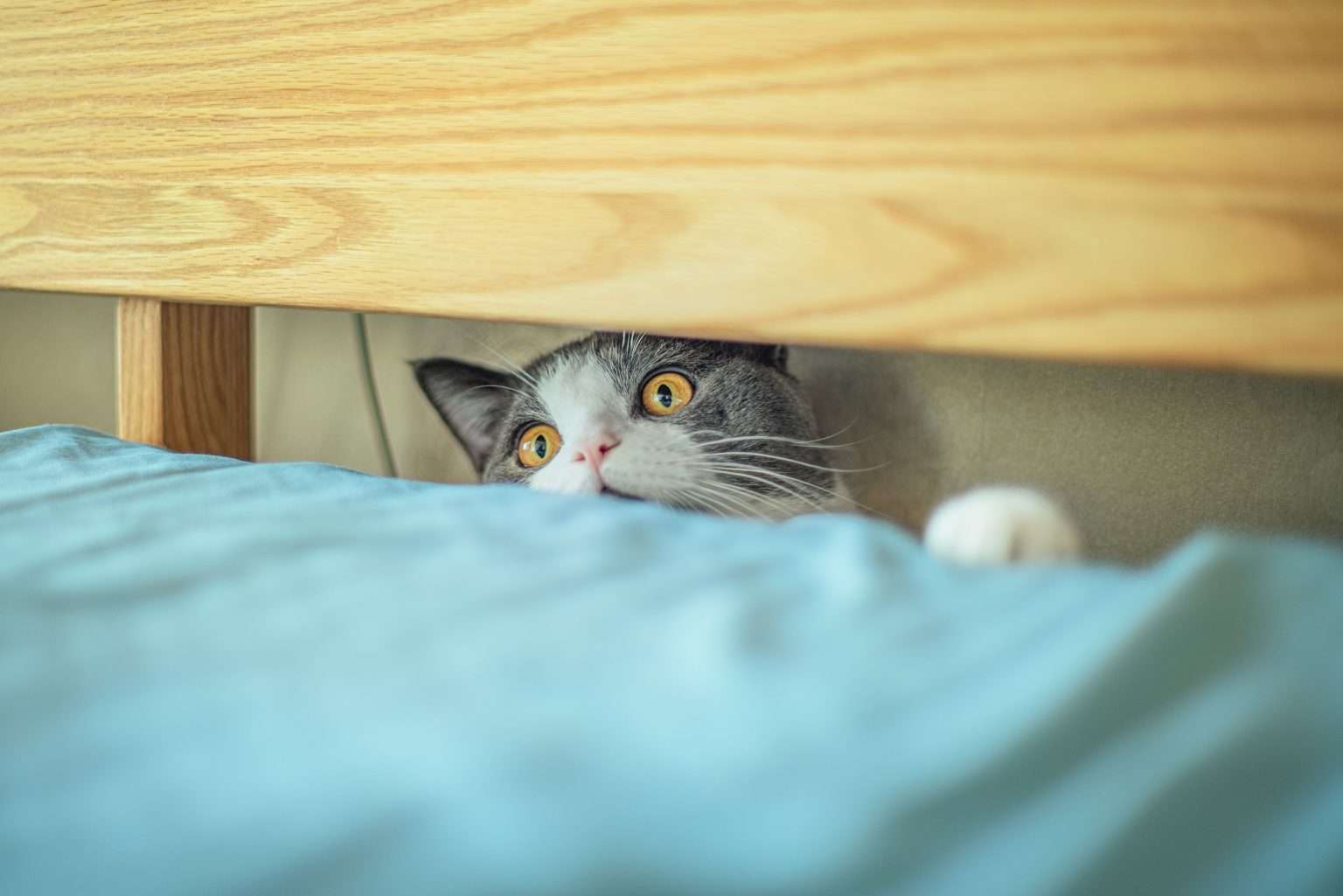
The Everyday Objects in Your Home That May Secretly Stress Your Cat
Cats can appear comfortable in familiar surroundings, but that does not necessarily mean every part of the home makes them feel safe. Some everyday household objects, including vacuum cleaners, scented candles, cleaning products, mirrors, electronic devices, and even certain types of furniture, may create discomfort or anxiety without their owners realizing it.
- 1. Household Appliances That Produce Loud or Unpredictable Sounds
- 2. Strong-Smelling Household Products That Overwhelm Your Cat’s Senses
- 3. Visual Objects and Furniture That Can Make Cats Feel Unsafe
- 4. Household Objects and Arrangements That Interfere With Your Cat’s Daily Routine
- How to Recognize When Everyday Objects Are Stressing Your Cat
- Conclusion
- Frequently Asked Questions
The reason is simple: cats experience their surroundings differently from humans. Their sensitive hearing, powerful sense of smell, territorial instincts, and need for predictable environments influence how they react to ordinary household items.
Understanding these hidden sources of cat stress at home can help you create a more comfortable living environment. By recognizing which objects may be disturbing your cat and making a few practical adjustments, you can reduce unnecessary stress and support your cat’s emotional well-being.
1. Household Appliances That Produce Loud or Unpredictable Sounds
Everyday noise can be more disturbing to cats than owners expect.
Household appliances are among the most overlooked sources of environmental stress for indoor cats. While people become accustomed to the sounds of daily activities, cats can react strongly to sudden, unfamiliar, or continuous noises.
Cats have highly developed hearing abilities that help them detect sounds and movements in their environment. Consequently, appliances that seem harmless to humans may trigger alertness, fear, or avoidance.
Vacuum Cleaners, Washing Machines, and Electronic Devices
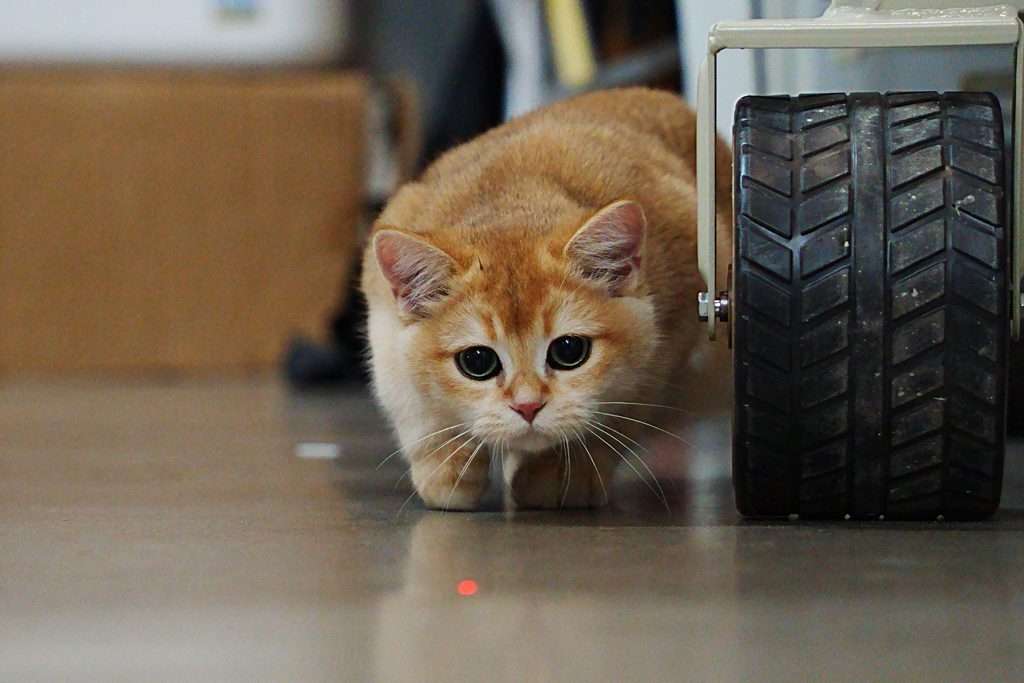
Several common household appliances may make cats uncomfortable:
- Vacuum cleaners: Their loud motors, sudden movements, and unfamiliar sounds can make cats retreat or hide.
- Washing machines and dryers: Repeated vibrations, spinning sounds, and sudden operating cycles may disturb cats resting nearby.
- Hair dryers: Their high-pitched noise and strong airflow can cause some cats to become frightened.
- Televisions and speakers: Excessively loud sound, sudden effects, and unexpected changes in volume can interrupt a cat’s rest.
- Kitchen appliances: Blenders, food processors, and coffee grinders may produce startling sounds, especially when switched on unexpectedly.
The problem is not necessarily the appliance itself but the combination of noise, vibration, movement, and lack of control over when it operates.
How to reduce the stress:
- Keep your cat away from rooms where particularly noisy appliances are operating.
- Allow your cat access to a quiet room where it can retreat.
- Avoid switching on loud appliances unexpectedly when your cat is sleeping nearby.
- Never force your cat to approach an appliance to become accustomed to it.
The AAFP and ISFM feline environmental guidelines identify loud and unfamiliar sounds as potential sources of fear. Providing safe hiding places and maintaining a predictable environment can help cats feel more secure.
2. Strong-Smelling Household Products That Overwhelm Your Cat’s Senses
A pleasant fragrance for people may be uncomfortable for cats.
Your home may smell fresh and clean to you, but certain fragrances and chemical odors can make the environment unpleasant for your cat.
Cats depend heavily on their sense of smell to understand their surroundings. They use familiar scent markings to recognize safe areas, communicate with other cats, and establish a sense of territorial security.
When strong artificial fragrances replace familiar household scents, some cats may become uncomfortable or avoid particular areas.
Air Fresheners, Scented Candles, and Cleaning Products
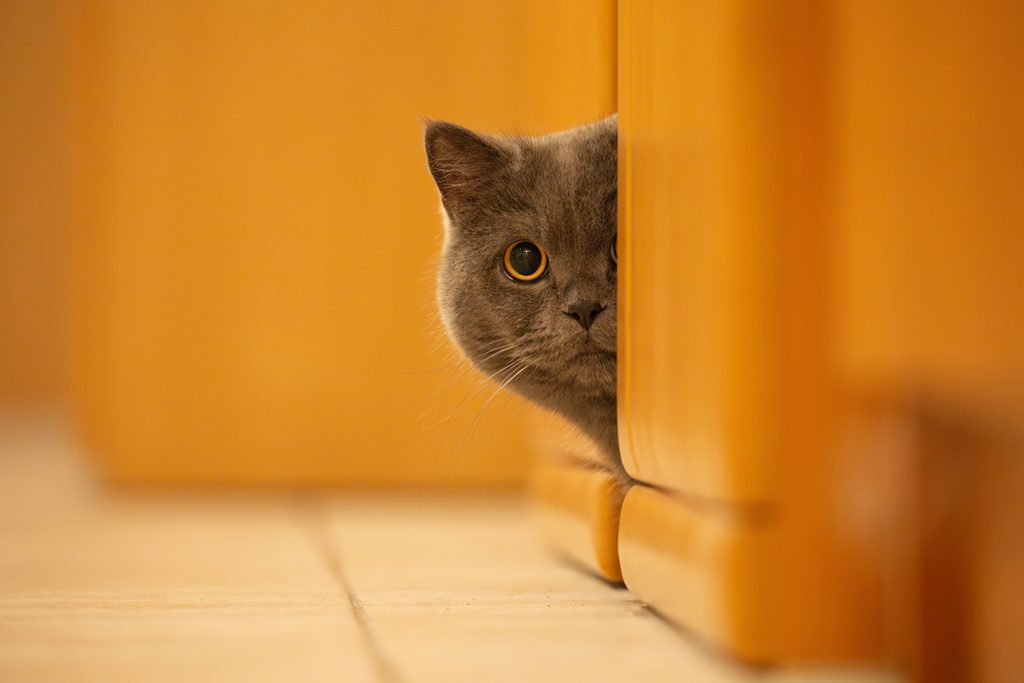
Some everyday products deserve particular attention:
- Air fresheners: Continuous fragrance released from sprays or plug-in devices may overwhelm sensitive cats.
- Scented candles: Their fragrance can change the smell of familiar rooms, while smoke may also affect indoor air quality.
- Strong cleaning products: Bleach-based products, heavily fragranced detergents, and other cleaners can leave unpleasant odors.
- Scented laundry detergents: Strong fragrances on blankets and bedding may make familiar resting places less appealing.
- Scented cat litter: Some cats dislike artificial fragrances and may avoid using a litter box containing strongly scented litter.

An important distinction is that strong odors are not the only concern. Certain products may also be toxic or irritating if inhaled, swallowed, or absorbed through the skin.
For example, essential oils are not automatically safe simply because they are marketed as natural. Their safety depends on the specific substance, concentration, and exposure. Keep concentrated oils and fragrance products away from cats, and ask your veterinarian about suspected exposure.
How to reduce the stress:
- Choose unscented or minimally fragranced household cleaning products.
- Ventilate rooms after cleaning.
- Keep cats away from freshly cleaned surfaces until products have been used and dried according to their labels.
- Avoid spraying fragrances directly around your cat.
- Wash cat bedding with a mild, fragrance-free detergent when possible.
The AAFP and ISFM Feline Environmental Needs Guidelines explain why preserving familiar scent signals and avoiding unnecessary changes to a cat’s olfactory environment are important for feline well-being.
3. Visual Objects and Furniture That Can Make Cats Feel Unsafe
Changes in appearance, movement, and access to familiar spaces can affect a cat’s sense of security.
Cats are naturally observant animals. They pay attention to movement, unfamiliar shapes, reflections, and changes within their territory. Therefore, objects that appear completely ordinary to humans may sometimes create confusion or discomfort.
Unlike people, cats cannot always understand why an object suddenly appears in a familiar room or why something that looks like another animal moves unexpectedly.
Mirrors, Decorations, Plastic Bags, and New Furniture
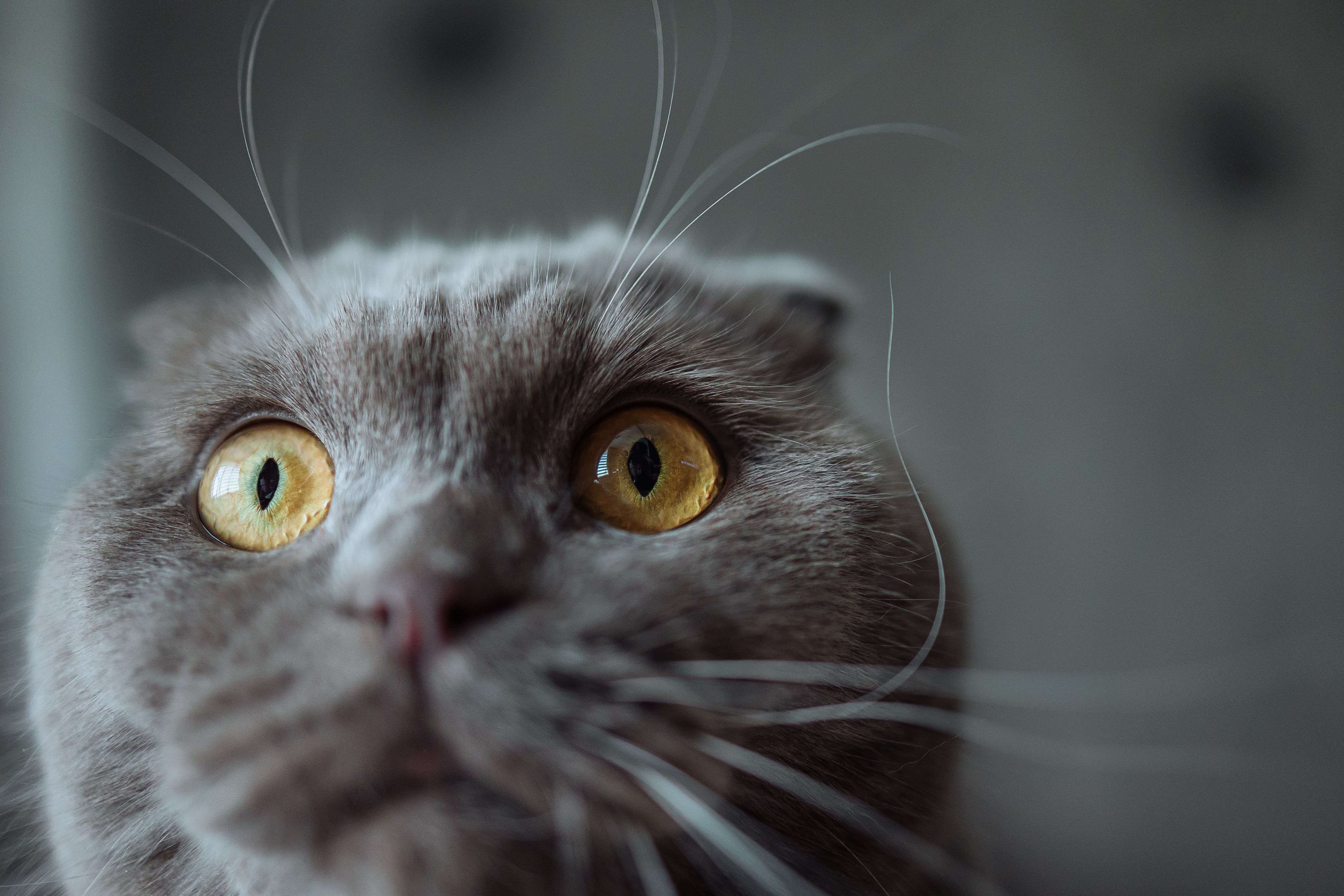
Consider these commonly overlooked objects:
1. Mirrors and reflective surfaces
Some cats react to their reflections as though another animal has entered their territory. They may stare, approach cautiously, vocalize, or attempt to investigate the reflection.
Not every cat finds mirrors disturbing, and many eventually lose interest when they discover that the reflection does not behave like an independent animal.
2. Plastic bags and packaging materials
Plastic bags can produce sudden crackling sounds when touched or moved. Their unpredictable movement and unfamiliar texture may startle some cats.
There is also a separate safety concern: cats can become trapped in handles or chew and swallow pieces of plastic. Keep shopping bags and packaging out of reach.
3. Decorative objects and moving ornaments
Hanging decorations, swinging objects, and items that move when air conditioning or fans operate can attract attention or create uncertainty, particularly when they move unexpectedly.
4. Newly introduced furniture
A new sofa, wardrobe, carpet, or decorative item changes the appearance and scent of a familiar environment. Some cats respond by avoiding the affected area or spending more time in established hiding places.
According to the PDSA’s guidance on preventing stress in cats, environmental changes, including new furniture and losing access to familiar resting places, can contribute to feline stress.
How to make these changes easier:
- Introduce new furniture gradually whenever possible.
- Allow your cat to investigate unfamiliar objects without forcing interaction.
- Keep plastic bags, loose packaging, and small decorations safely stored.
- Preserve familiar sleeping areas during home renovations.
- Provide cardboard boxes, covered beds, or quiet hiding places where your cat can retreat.
A useful recommendation is to avoid changing several important areas of your cat’s environment simultaneously. Introducing changes gradually gives your cat more opportunities to investigate and adapt.
4. Household Objects and Arrangements That Interfere With Your Cat’s Daily Routine
Sometimes the problem is not the object itself but where it is placed.
One of the most important aspects of feline well-being is having reliable access to essential resources. Cats need comfortable places to eat, drink, sleep, eliminate, scratch, and observe their surroundings.
An object that blocks access to these resources or makes an important area uncomfortable can become a source of ongoing frustration.
Litter Boxes, Food Bowls, Closed Doors, and Restricted Spaces
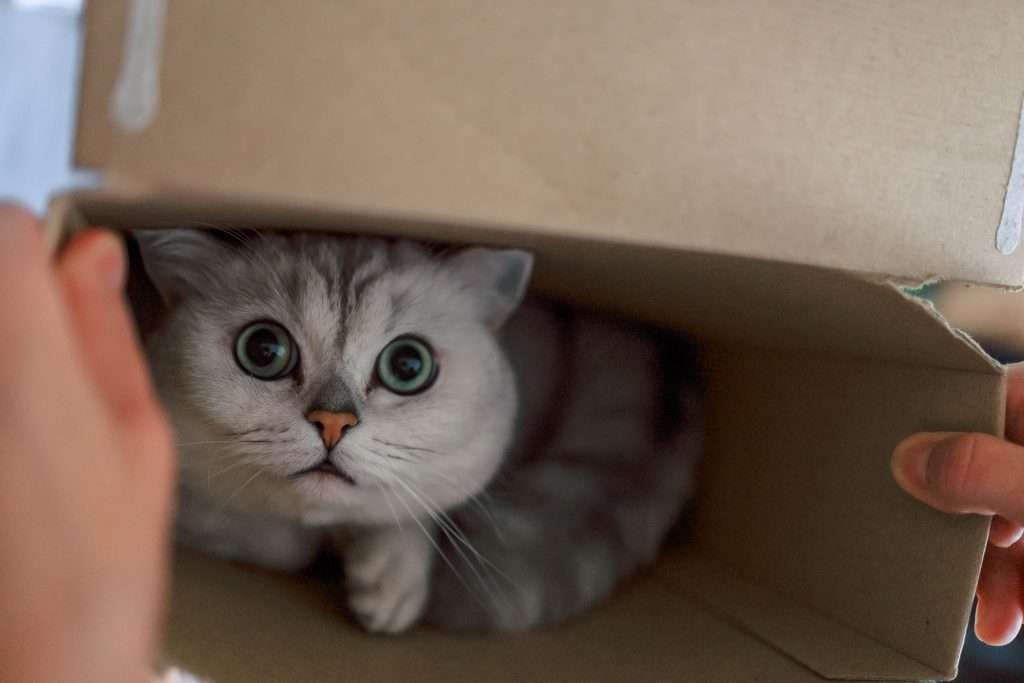
Here are several examples worth considering.
1. Litter boxes placed near noisy appliances
A litter box located beside a washing machine, dryer, or frequently used appliance may become uncomfortable when the equipment operates.
Cats generally benefit from quiet, accessible litter box locations where they can eliminate without interruption.
“Cats are a mysterious kind of folk. There is more passing in their minds than we are aware of.”
Susan Herbert
Cornell Feline Health Center recommends choosing a quiet, private location and providing an appropriate number of litter boxes. Its general recommendation is one box per cat, plus one additional box.
Read the Cornell guide to feline house-soiling and litter box problems for additional recommendations.
2. Food and water bowls placed in busy areas
Feeding stations positioned near frequently used doors, noisy kitchens, or areas where other pets pass constantly may make some cats reluctant to eat.
In multi-cat households, competition and restricted access can create additional tension.
Provide separate feeding locations when necessary, and keep food and water away from litter boxes.
3. Closed doors that restrict familiar spaces
A bedroom door that was previously open may suddenly become a barrier to a favorite sleeping location.
Although closing a door is not automatically harmful, repeatedly changing access to familiar spaces can frustrate cats that depend on predictable surroundings.
4. Furniture that removes access to elevated resting places
Cats often appreciate shelves, cat trees, window perches, and other elevated locations. These spaces allow them to observe their surroundings and retreat from household activity.
Rearranging furniture or blocking access to a familiar perch may remove an important source of security.
How to improve your cat’s environment:
- Keep litter boxes away from noisy appliances and busy walkways.
- Provide separate feeding and resting areas.
- Maintain access to familiar hiding places and elevated spaces.
- Avoid placing all essential resources in one crowded location.
- In multi-cat households, provide enough resources to reduce competition.
The AAFP and ISFM environmental guidelines emphasize the importance of safe resting places, separated resources, opportunities for play, and predictable interactions.
These recommendations are particularly valuable when designing an indoor environment for cats that share their living space with other animals.
How to Recognize When Everyday Objects Are Stressing Your Cat
Identifying the source of stress is not always straightforward. Some cats hide immediately when frightened, while others show subtle changes that owners may initially mistake for normal behavior.
Pay attention to changes that occur repeatedly around a particular object or activity.
Common signs of feline stress include:
- Hiding more frequently than usual.
- Flattening the ears or holding them backward.
- Dilated pupils and a tense body posture.
- Excessive grooming or repeated licking.
- Unusual vocalization, growling, or hissing.
- Avoiding certain rooms or household areas.
- Reduced interest in playing or interacting.
- Changes in appetite or litter box habits.
One useful approach is to observe the circumstances surrounding these behaviors. For example, if your cat repeatedly hides whenever you use a vacuum cleaner, the appliance may be a trigger.
However, do not automatically assume that every behavioral change is caused by household objects. Pain, illness, and other medical conditions can produce similar signs.
When Should You Consult a Veterinarian?
Seek veterinary advice if your cat develops persistent anxiety, stops eating normally, urinates outside the litter box, excessively grooms, or displays sudden behavioral changes.
Urinary problems require particular attention. Straining to urinate, repeatedly visiting the litter box, or producing little or no urine can indicate a serious medical problem. Inability to urinate, especially in male cats, is an emergency requiring immediate veterinary treatment.
A veterinarian can help distinguish environmental stress from medical conditions and recommend an appropriate management plan.
Conclusion
The everyday objects in your home that may secretly stress your cat are not always dangerous or unusual. Vacuum cleaners, scented products, mirrors, plastic bags, electronic appliances, and poorly positioned household resources can all contribute to discomfort in certain circumstances.
The important thing is to understand that cats experience their environment through their senses and natural behavioral needs. A comfortable home should offer familiar scents, manageable noise levels, safe hiding places, and unrestricted access to essential resources.
Rather than removing every unfamiliar object, observe your cat’s reactions, introduce changes gradually, and make adjustments when necessary. Small improvements in the home environment can make everyday life more comfortable and reassuring for your feline companion.
Frequently Asked Questions
1. Can everyday household objects cause stress in cats?
Yes. Loud appliances, strong fragrances, unfamiliar furniture, and objects that move unexpectedly may trigger fear or discomfort in some cats. Individual reactions vary depending on personality and previous experiences.
2. Do cats get stressed by the smell of air fresheners?
Some cats find strong fragrances unpleasant because their sense of smell is highly developed. It is generally better to minimize artificial fragrances and use appropriately selected, cat-safe cleaning products.
3. Why does my cat hide whenever I use the vacuum cleaner?
The vacuum cleaner produces loud sounds, vibrations, and unpredictable movement. Your cat may perceive these features as threatening and seek a quieter, protected location.
4. Can changing furniture make my cat anxious?
Yes. Rearranging furniture can change familiar scents, walking routes, hiding places, and resting locations. Introducing changes gradually and preserving familiar areas can help your cat adjust.
5. How can I make my home less stressful for my cat?
Maintain a predictable routine, provide quiet resting areas, avoid strong fragrances, keep essential resources accessible, and offer safe hiding places and elevated resting spots.
References and Further Reading
- 1. AAFP and ISFM – Feline Environmental Needs Guidelines: Guidance on safe spaces, household scents, noise, and environmental enrichment. Read the guidelines.
- 2. Cornell Feline Health Center – Feline Behavior Problems: House Soiling: Information about litter box placement, environmental factors, and inappropriate elimination. Read the veterinary guide.
- 3. Merck Veterinary Manual – Social Behavior of Cats: Explains feline communication, familiar scents, environmental predictability, and stress-related behavior. Read the veterinary resource.
- 4. AAHA – Behavior and Environmental Needs: Explains common physical and behavioral indicators of feline fear and stress. Read the guidelines.
- 5. PDSA – Preventing Stress in Cats: Practical advice about environmental changes, household disturbances, and recognizing stress triggers. Read the guide.
- 6. Merck Veterinary Manual – Behavior Problems of Cats: Veterinary information about fear, anxiety, and environmental management. Read the veterinary resource.