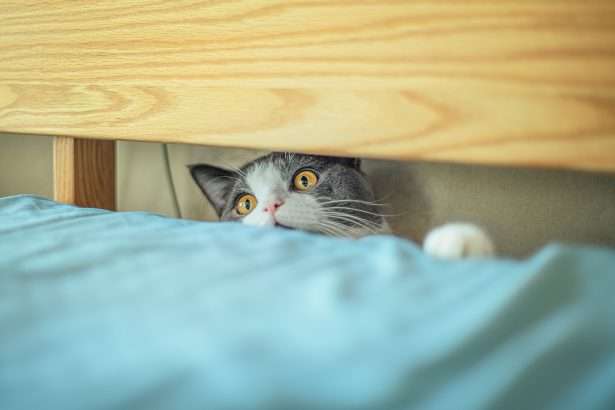


Have you ever woken up in the middle of the night and found your cat sleeping beside your pillow, curled up near your feet, or comfortably stretched across your bed? If so, you are not alone. Many cat owners share their sleeping space with their feline companions, even when there is plenty of room elsewhere in the house.
- 1. Why Does Your Cat Choose to Sleep With You?
- Your Cat Feels Safe Around You
- Your Body Provides Warmth and Comfort
- Your Cat Enjoys Your Familiar Scent
- 2. What Your Cat’s Sleeping Position Reveals About Your Bond
- Sleeping Near Your Head
- Sleeping on Your Chest
- Sleeping Near Your Feet
- Sleeping Between Your Legs
- Sleeping With Its Back Turned Toward You
- 3. Does Sleeping Together Mean Your Cat Loves You?
- 4. Why Does Your Cat Sometimes Sleep Somewhere Else?
- Is It Healthy to Let Your Cat Sleep in Your Bed?
- Final Thoughts
But why do cats choose to sleep with humans? Is it simply because your bed is warm and comfortable, or does it have something to do with the bond you share?
The truth is that a cat sleeping with you can reflect several things, including trust, security, warmth, and familiarity. Interestingly, the exact spot your cat chooses may also offer clues about its personality and how comfortable it feels around you.
Let’s explore what your cat’s sleeping habits might be telling you.
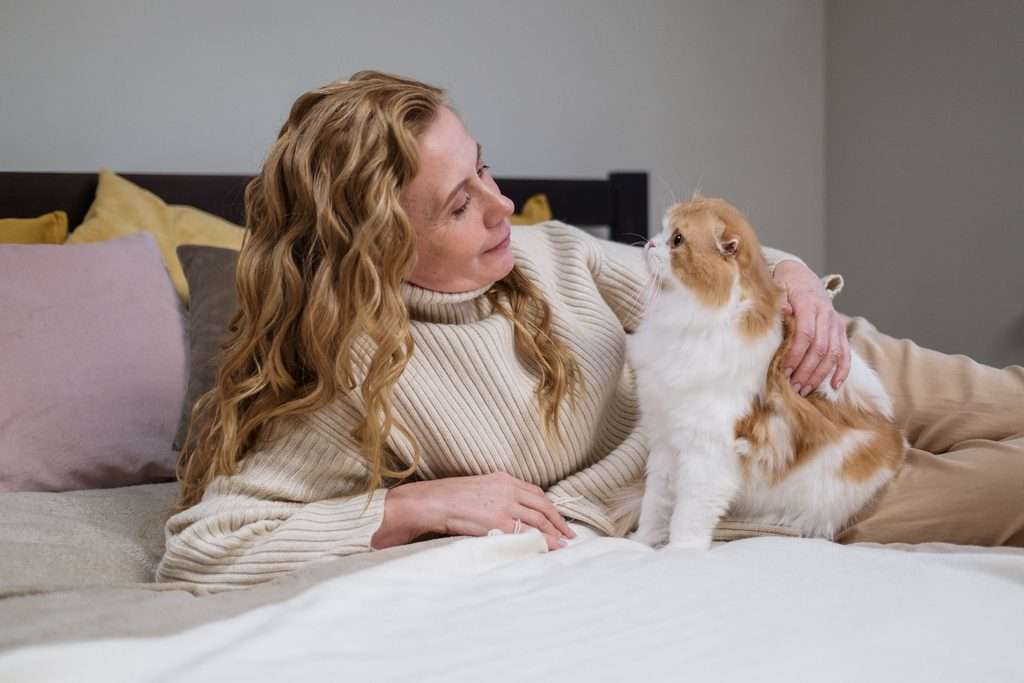
1. Why Does Your Cat Choose to Sleep With You?
Cats spend a large part of their lives sleeping, often around 12–16 hours a day. Although they can rest almost anywhere, many prefer sleeping close to someone they trust.
There are several reasons behind this behavior.
Your Cat Feels Safe Around You
Cats are naturally cautious animals. Even when living indoors, they retain instincts that help them stay alert to possible dangers. Sleeping makes them less aware of their surroundings, so choosing to rest beside you can be a sign that they feel protected.
When your cat settles down next to you, it may be showing that it considers you a familiar and trustworthy presence.
This does not necessarily mean your cat is consciously thinking about protection. Rather, your presence has become part of an environment where it feels comfortable enough to relax.
Your Body Provides Warmth and Comfort
Cats naturally enjoy warm places. Your body temperature, soft blankets, and comfortable mattress make your bed an attractive sleeping spot.
You may notice your cat moving closer during colder nights or choosing the warmest area of the bed.
For some cats, sleeping beside their owner is simply one of the most comfortable ways to rest.
Your Cat Enjoys Your Familiar Scent
Cats rely heavily on their sense of smell when exploring and understanding their surroundings. Your scent is familiar, and familiar smells can help create a feeling of comfort.
Your pillow, clothes, and bedding carry your scent, which may explain why some cats prefer sleeping near their owner’s head or on their side of the bed.
2. What Your Cat’s Sleeping Position Reveals About Your Bond
The place your cat chooses to sleep can provide interesting clues about its comfort level and relationship with you. While no sleeping position has one guaranteed meaning, certain patterns are worth noticing.
Sleeping Near Your Head
If your cat regularly curls up beside your pillow, it may enjoy your familiar scent, warmth, and relatively quiet sleeping area.
Some cats also prefer this position because they are less likely to be disturbed by your movements during the night.
Sleeping near your head can be a sign of familiarity and comfort, especially if your cat repeatedly chooses this spot.
Sleeping on Your Chest
A cat that sleeps on your chest may enjoy the warmth of your body and the gentle movement of your breathing.
Your heartbeat and familiar scent may also make this position comforting.
If your cat chooses to rest on your chest while purring or slowly closing its eyes, it is often a sign that it feels relaxed around you.
Sleeping Near Your Feet
Some cats prefer the bottom of the bed rather than sleeping directly beside their owner’s face.
This position allows them to stay close while having enough room to move freely. It may also make it easier for them to leave if they want to explore or change sleeping spots.
It does not mean your cat is less attached to you. Cats simply have different preferences.
Sleeping Between Your Legs
If your cat likes sleeping between your legs, it may enjoy the warmth and the enclosed space.
This position can also provide a comfortable resting area where your cat feels surrounded and secure.
Some cats choose it because it offers a balance between closeness and personal space.
Sleeping With Its Back Turned Toward You
This position might look a little strange, but it is not necessarily a sign of distance or rejection.
A cat that sleeps with its back toward you may feel comfortable enough not to keep watching you. It can also simply be the position that feels most natural.
Look at the rest of your cat’s body language before deciding what the behavior means.
3. Does Sleeping Together Mean Your Cat Loves You?
Cats express affection differently from dogs and humans. They may not always seek attention or physical contact, but they often show attachment through small, repeated behaviors.
Sleeping beside you can be one of these signs.
A cat that regularly chooses your company at bedtime may associate you with comfort, safety, and positive experiences.

You might also notice other signs of a strong connection, such as:
- Slow blinking: Your cat gently closes and opens its eyes when looking at you.
- Purring: A relaxed cat may purr while resting beside you.
- Head bunting: Your cat rubs its head against you to create familiar scent associations.
- Following you: Your cat enjoys being in the same room or keeping track of your activities.
- Kneading: Your cat pushes its paws against a soft surface, sometimes while sitting on your lap.
- Relaxed body language: Your cat stretches out, rests comfortably, or falls asleep without appearing tense.
No single behavior proves affection on its own. However, when several of these signs appear together, they can indicate that your cat feels comfortable and connected to you.
4. Why Does Your Cat Sometimes Sleep Somewhere Else?
Even if your cat usually sleeps with you, there may be nights when it chooses the sofa, a windowsill, or a quiet corner instead.
This is completely normal.
Cats often change their sleeping locations depending on temperature, noise, light, and their need for personal space.
For example, your cat may prefer sleeping alone when the bedroom is too warm or when you move frequently during the night.
Changes in sleeping habits can also happen as cats grow older or develop new preferences.
However, if your cat suddenly stops sleeping with you and also shows other unusual signs, such as reduced appetite, hiding, changes in activity, or unusual vocalization, it is worth paying attention. Persistent changes in behavior can sometimes indicate stress or an underlying health problem.
If you notice several concerning symptoms, consult your veterinarian rather than assuming the change is simply a change in personality.
Is It Healthy to Let Your Cat Sleep in Your Bed?
For many healthy cats and owners, sharing a bed is generally fine, provided that basic hygiene and health precautions are followed.
Make sure your cat receives regular veterinary checkups, appropriate parasite prevention, and recommended vaccinations. Keep its bedding and sleeping environment clean, and wash your sheets regularly.
People with allergies, asthma, weakened immune systems, or other health concerns may need to take additional precautions and discuss them with a healthcare professional.
You should also consider your own sleep quality. If your cat frequently wakes you up, walks across your face, or interrupts your rest, providing a comfortable sleeping area nearby may be a better option.
The goal is to create a sleeping arrangement that works for both of you.
Final Thoughts
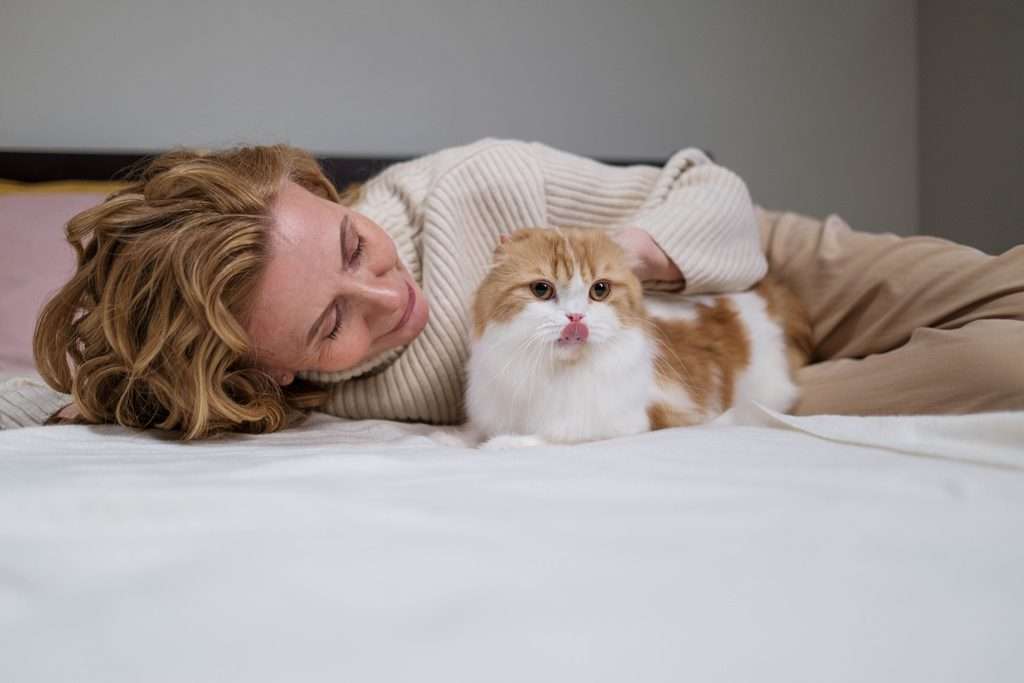
When your cat chooses to sleep beside you, it may be expressing trust, seeking warmth, enjoying your familiar scent, or simply choosing the most comfortable place in the house.
The location matters, but it should not be treated as a fixed measurement of how much your cat loves you.
Every cat has its own personality and way of showing affection. Some prefer sleeping on their owner’s chest, while others feel happiest at the foot of the bed.
What matters most is the overall relationship you build through patience, gentle interaction, and consistent care.
So, the next time your cat curls up beside you at bedtime, enjoy the moment. You may be sharing more than just a comfortable place to sleep.