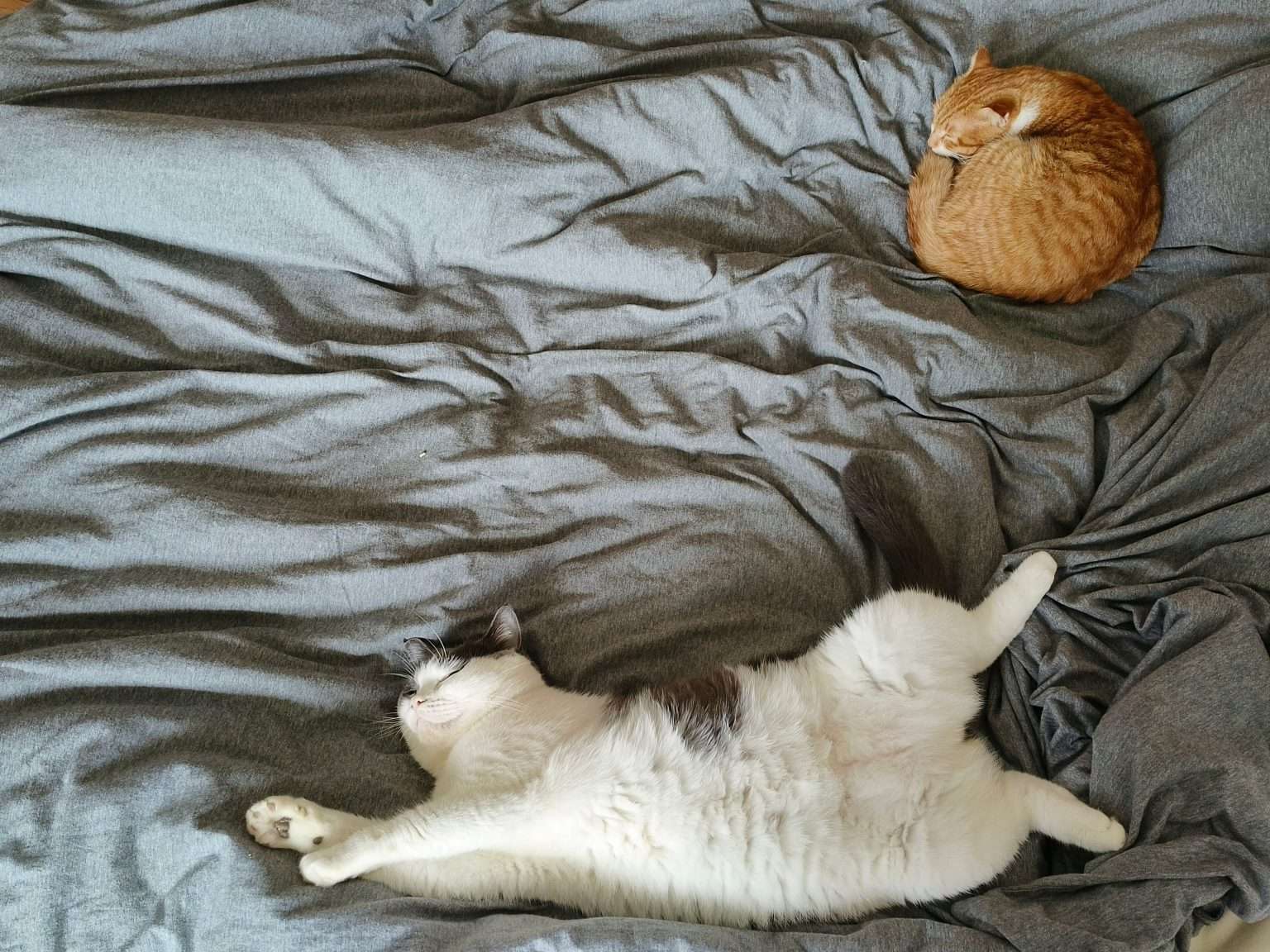
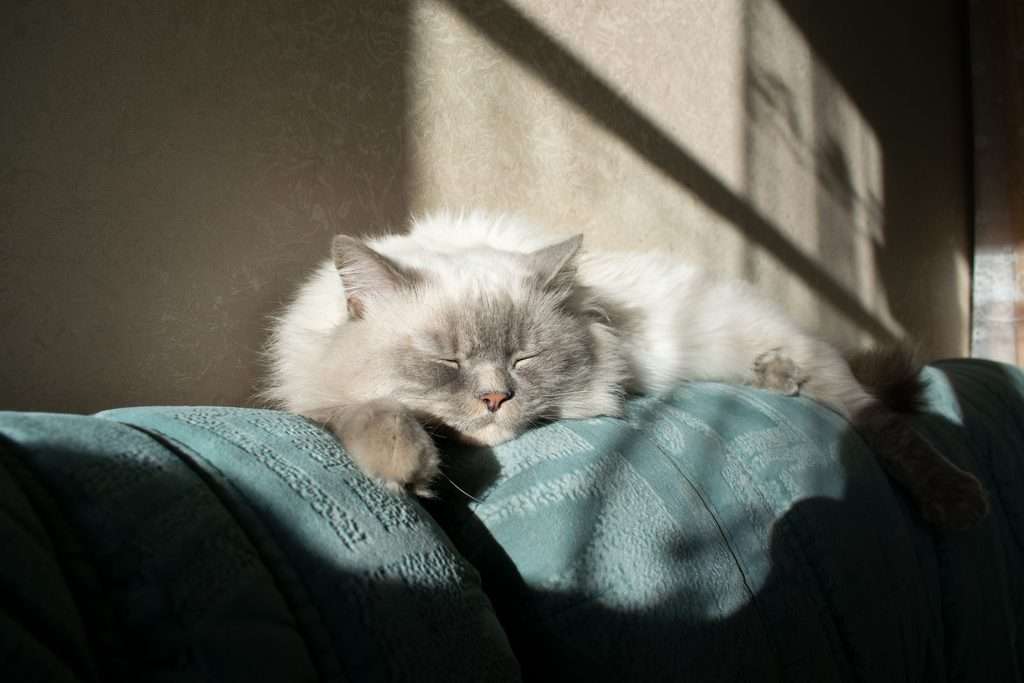
Cats are famous for their ability to sleep almost anywhere, from sunny windowsills to comfortable sofas and their owners’ beds. If your cat seems to spend most of the day sleeping, you may wonder whether this behavior is normal or a sign of an underlying problem.
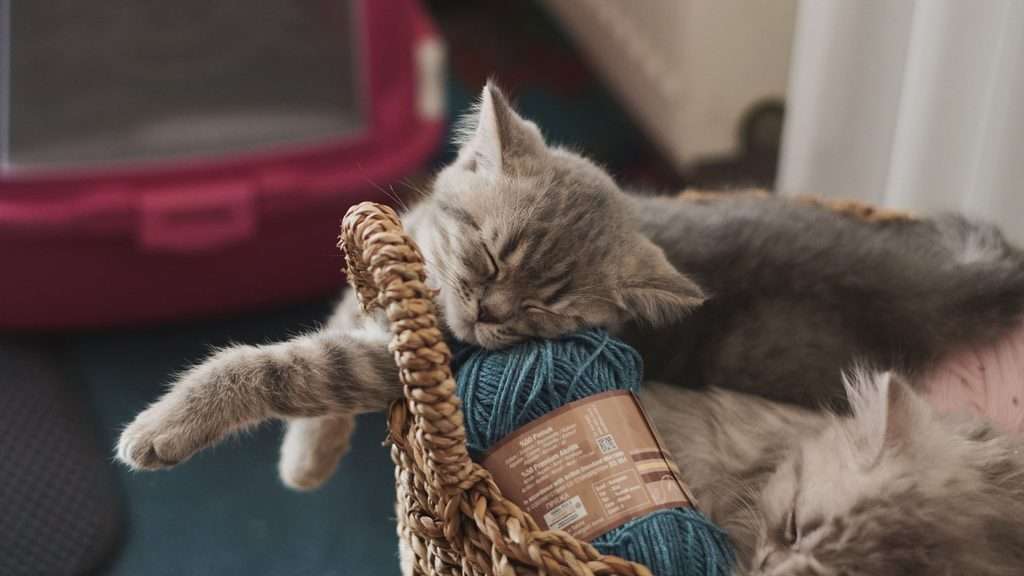
Most cats sleep approximately 12–16 hours a day, although some may sleep longer depending on their age, activity level, and individual needs. Kittens require substantial rest for growth and development, while older cats may become less active as they age.
However, the number of hours your cat sleeps is only part of the picture. Changes in energy, appetite, mobility, and everyday behavior can provide important clues about feline health.
Understanding why cats sleep so much can help you create a healthier environment, recognize unusual behavior, and know when veterinary advice is necessary.
Key Takeaways
- Most adult cats sleep around 12–16 hours daily.
- Kittens and some senior cats may need additional rest.
- Cats often alternate between short naps and periods of activity.
- Boredom, stress, pain, and illness can change normal sleeping habits.
- Sudden changes in sleep accompanied by other symptoms deserve veterinary attention.
1. How Much Sleep Do Cats Need?
Understanding Normal Cat Sleep Patterns
Cats generally sleep more than humans because their natural behavior combines periods of rest with short bursts of hunting, exploring, and physical activity. According to VCA Animal Hospitals, cats commonly sleep between 12 and 16 hours daily, although individual patterns vary.
A cat that sleeps for much of the day is not necessarily lazy or unwell. What matters is whether the cat remains alert, responsive, and interested in normal activities when awake.
Sleep requirements change with age.
Kittens spend considerable time sleeping because their bodies and nervous systems are developing rapidly. Very young kittens may sleep for most of the day, waking primarily to nurse, feed, and receive care. If you are raising a young cat, our guide on how to care for a kitten during its first week explains the importance of warmth, feeding, and monitoring early development.
Healthy adult cats usually settle into a more predictable routine. Their sleep needs depend on activity, environment, and individual temperament.
Senior cats may also spend more time resting. However, increased sleep in an older cat should not automatically be attributed to aging. Arthritis, dental disease, kidney problems, and other conditions can reduce activity or make movement uncomfortable. Cornell University discusses these concerns in its guide to recognizing changes in aging cats.
Another important factor is the difference between sleeping and resting quietly. A cat lying still with its eyes open may be relaxing rather than sleeping deeply.
Look at your cat’s usual routine rather than relying on a strict hourly limit. If your cat has always slept for long periods but wakes readily for food, play, and social interaction, this may be entirely normal. A sudden reduction in activity is more concerning than a consistently relaxed personality.
2. Seven Common Reasons Cats Sleep So Much
From Natural Instincts to Boredom and Stress
There are several explanations for extended feline sleep. Some are normal biological behaviors, while others indicate that your cat may need additional attention.
1. Cats take frequent naps.
Cats often divide their rest into multiple sleep periods instead of sleeping continuously for eight hours like many humans. They may nap, wake to investigate a sound, eat, groom themselves, and then return to sleep.
These short rest periods allow cats to alternate between relaxation and alertness. Some naps are light, while others involve deeper sleep.
2. They conserve energy.
Domestic cats retain many behavioral characteristics of their wild ancestors. Hunting requires concentration, coordination, and rapid bursts of movement, followed by periods of inactivity.
Even indoor cats that never hunt for food may display similar patterns. Chasing a feather toy, climbing a cat tree, or running through the house can be followed by a long nap.

3. Their activity peaks around dawn and dusk.
Cats are generally described as crepuscular, meaning they tend to be most active around sunrise and sunset. Consequently, your cat may sleep during much of your working day and become energetic when you are preparing for bed.
A consistent evening play session followed by a meal may help encourage a more manageable household routine. It will not necessarily change your cat’s natural rhythm completely, but it can provide an appropriate outlet for energy.
4. They may be bored.
An indoor cat without enough opportunities to explore, climb, scratch, and play may spend more time inactive. Sleeping itself is not harmful, but a lack of stimulation can contribute to frustration and unwanted behaviors.
Provide scratching posts, safe climbing spaces, rotating toys, and food puzzles. Schedule several short play sessions throughout the day rather than relying on toys alone.
Interactive play is particularly useful because it encourages movement and allows cats to express their natural stalking and chasing behaviors.
5. Stress can change sleeping habits.
Cats may respond to household changes by sleeping more, hiding, becoming restless, or withdrawing from family members. Common triggers include moving home, introducing another pet, construction noise, changes in routine, and competition over food or resting places.
Create quiet hiding spaces and ensure your cat has access to essential resources without being disturbed. In multi-cat households, provide separate feeding areas and enough resting locations to reduce competition.
6. Underlying illness may reduce energy.
A cat that suddenly sleeps more may be experiencing discomfort or illness. Possible causes include kidney disease, diabetes, heart disease, infections, and other medical conditions.
Some illnesses cause changes in appetite, thirst, urination, or body weight before more obvious symptoms appear. Others may produce weakness or a noticeable loss of interest in normal activities.
Do not assume that extra sleep is simply a sign of relaxation if your cat also appears unwell.
7. Pain or injury may make movement uncomfortable.
Cats can develop muscle injuries, wounds, joint problems, or arthritis. Because cats often conceal discomfort, the first noticeable sign may be a change in behavior rather than obvious crying.
Watch for reluctance to jump, stiffness after resting, limping, hiding, reduced grooming, or avoiding stairs. If your cat seems painful or has experienced an injury, contact a veterinarian instead of trying to diagnose the problem at home.
3. How to Tell Whether Your Cat Is Sleeping Too Much
Recognizing the Difference Between Rest and Lethargy
The most useful question is not simply how many hours your cat sleeps, but whether its behavior has changed.
A healthy sleeping cat usually wakes in response to familiar sounds, food, or interesting activity. Once awake, the cat should generally be able to move comfortably, interact normally, and show an appropriate level of alertness.
Lethargy is different. It refers to an unusual lack of energy or responsiveness that may accompany illness, pain, or another medical problem.
Pay attention to the following warning signs:
- Reduced appetite: Your cat eats significantly less than usual or refuses food.
- Unexplained weight changes: Your cat loses or gains weight without an obvious reason.
- Changes in thirst or urination: Drinking more frequently or producing noticeably different amounts of urine may indicate a health problem.
- Reduced mobility: Your cat stops jumping onto familiar surfaces, walks stiffly, or struggles to stand.
- Behavioral changes: Your cat hides more often, avoids interaction, or loses interest in favorite activities.
- Digestive symptoms: Repeated vomiting or persistent diarrhea occurs alongside reduced energy.
- Poor grooming: Your cat’s coat becomes unkempt because it no longer grooms itself normally.
These signs do not identify a specific disease, but they help determine when a veterinary examination is appropriate.
If your cat is difficult to wake, cannot stand or walk normally, has breathing difficulties, or collapses, seek emergency veterinary care. If a cat refuses food for 24 hours, contact a veterinarian immediately; kittens and cats with existing medical conditions may need attention sooner.
A useful habit is to keep a simple record of your cat’s daily routine. Note eating, drinking, litter box use, play, and unusual periods of inactivity. This information can help your veterinarian identify changes that might otherwise be difficult to describe.
For senior cats, pay particular attention to subtle changes. Increased sleep combined with confusion, nighttime vocalization, or a disrupted sleep-wake cycle can sometimes indicate age-related cognitive changes or an underlying medical condition.
4. How to Support Healthy Sleep in Cats
Creating a Comfortable Environment and a Balanced Daily Routine
You cannot—and should not—try to eliminate your cat’s natural need for sleep. Instead, focus on making rest comfortable while providing enough activity and enrichment to support physical and mental well-being.
Establish predictable activity periods.
Offer short, interactive play sessions every day. Wand toys and supervised chasing games can encourage movement and provide mental stimulation. Allow your cat to catch an appropriate toy occasionally so the activity remains rewarding.
Try scheduling play before a regular meal, particularly in the evening. This routine can help accommodate natural hunting-related behaviors and may reduce attention-seeking activity during the night.
Make resting areas comfortable.
Cats benefit from quiet sleeping locations where they feel safe. Provide soft bedding, warm resting spots, and elevated platforms if your cat enjoys climbing.
Older cats with limited mobility may need low-entry beds and easily accessible resting places. Avoid forcing a stiff or painful cat to jump onto high furniture.
Provide environmental enrichment.
Rotate toys to maintain interest, introduce puzzle feeders gradually, and create safe opportunities for climbing and observation. A window perch can provide visual stimulation, provided the window is secure.
If your cat sleeps excessively because its environment is unstimulating, these changes may encourage more engagement during waking hours. However, persistent lethargy should never be treated as a boredom problem without considering possible illness.
Maintain appropriate nutrition and hydration.
Feed a complete and balanced diet appropriate for your cat’s life stage and medical needs. Monitor body weight and adjust portions with veterinary guidance when necessary.
Older cats may have different nutritional requirements depending on their health. Our senior cat food and nutrition guide explains how age, appetite, body condition, and underlying disease can influence feeding decisions.
Always provide access to fresh water and clean litter boxes. Avoid giving supplements or medication simply to increase energy unless your veterinarian recommends them.
Finally, arrange regular veterinary examinations, especially for senior cats or animals with chronic conditions. A professional assessment can help distinguish normal changes in activity from problems requiring treatment.
The Bottom Line
Cats sleep for much of the day because rest is a normal part of feline biology. Most healthy cats alternate between naps, grooming, eating, exploring, and short periods of energetic activity.
The important distinction is between a cat that has always enjoyed long naps and one that suddenly becomes unusually sleepy or less responsive. Monitor your cat’s normal habits, provide regular enrichment, and seek veterinary advice whenever changes in sleep occur alongside signs of illness, pain, or reduced mobility.
Understanding your cat’s individual sleep pattern is one of the simplest ways to support its long-term
“If having a soul means being able to feel love and loyalty and gratitude, then animals are better off than a lot of humans.”
James Herriot