
Why Some Human Foods Upset Cats Even When They Are Not Toxic
Not every food that causes problems for cats is poisonous. Sometimes, a small portion of an ordinary human food can leave a cat with vomiting, diarrhea, gas, or noticeable stomach discomfort, even when the ingredient itself is not classified as toxic.
This can be confusing for cat owners, especially when sharing a small piece of fruit, cooked meat, or dairy product seems harmless. However, cats have specific digestive and nutritional requirements, and their bodies do not always process human foods in the same way ours do.
Understanding why some human foods upset cats, even when they are not toxic, can help you make safer feeding decisions. Factors such as lactose intolerance, excessive fat, unfamiliar ingredients, portion size, and individual food sensitivities can all influence how a cat reacts to something it eats.
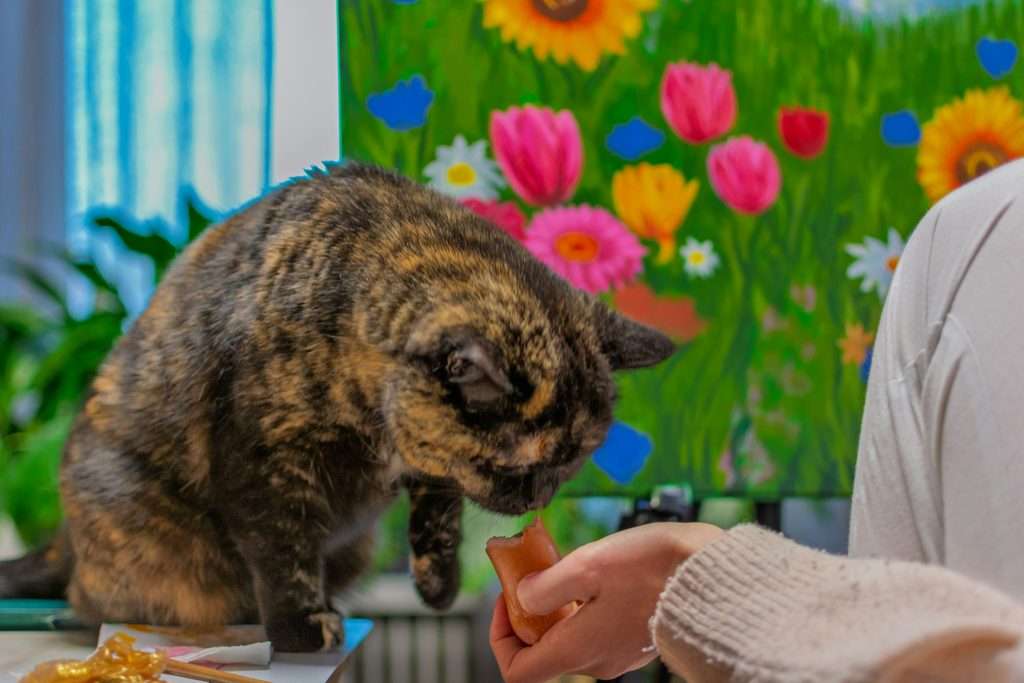
1. Why Can Non-Toxic Human Foods Upset a Cat’s Stomach?
A food does not have to contain poison to cause digestive discomfort. Cats have a digestive system adapted to their nutritional needs as obligate carnivores. Although they can tolerate certain foods outside their regular diet, this does not mean every human ingredient is easy for them to digest.
Digestive Sensitivity and Individual Food Tolerance
One important reason is that cats differ in their ability to tolerate particular ingredients.
For example, many adult cats produce less lactase, the enzyme responsible for breaking down lactose in milk. When they consume ordinary cow’s milk, undigested lactose can remain in the intestine and contribute to diarrhea, bloating, and abdominal discomfort.
Other cats may experience digestive problems after eating foods containing unfamiliar proteins, carbohydrates, or excessive amounts of fat.
Several factors can influence how a cat responds to human food:
- Individual sensitivity: Some cats tolerate small amounts of certain ingredients, while others develop digestive symptoms.
- Digestive enzyme differences: Certain nutrients, including lactose, may be difficult for some cats to process.
- Age and health: Kittens, senior cats, and cats with existing digestive conditions may respond differently to dietary changes.
- Previous dietary habits: A cat accustomed to one consistent diet may experience discomfort after trying unfamiliar foods.
According to VCA Animal Hospitals, food intolerance in cats can involve digestive reactions such as vomiting, diarrhea, bloating, and abdominal discomfort.
Therefore, a food being non-toxic does not automatically make it suitable for every cat.
2. Common Human Foods That Can Cause Digestive Discomfort in Cats
Some everyday ingredients can cause stomach problems even when they are not inherently poisonous. The reaction often depends on the food’s nutritional composition, preparation, quantity, and the individual cat.
Foods That May Be Difficult for Cats to Digest
Here are several examples worth understanding before sharing human food with your pet.
1. Milk and dairy products
Milk, cheese, cream, and other dairy products can cause digestive problems in lactose-intolerant cats.
Although kittens initially digest their mother’s milk, many cats gradually lose much of their ability to digest lactose after weaning.
Possible reactions include:
- Loose stools or diarrhea.
- Gas and abdominal bloating.
- Vomiting.
- Discomfort after eating.
Milk is therefore unnecessary as a regular treat. Fresh drinking water is a much better choice.
2. Fatty foods and greasy leftovers
Foods such as bacon, butter, fatty meat trimmings, and heavily oily leftovers can be difficult for cats to tolerate.
Excessive dietary fat may cause gastrointestinal upset. In some cases, particularly after significant exposure, high-fat foods may also contribute to pancreatitis, a potentially serious inflammation of the pancreas.
Avoid giving cats greasy cooking leftovers or meat covered in oil and fat.
3. Certain fruits
Some fruits are safe for cats in small, appropriately prepared portions, but their nutritional composition may still cause digestive discomfort.
For example, bananas contain fiber and natural sugars. A large portion may cause loose stools or stomach discomfort in some cats.
Even when a fruit is considered non-toxic, it does not necessarily provide a meaningful nutritional benefit to an obligate carnivore.

4. Human foods containing excessive fiber
Vegetables and other fiber-rich ingredients can affect digestion when introduced suddenly or offered in large quantities.
Depending on the ingredient and the cat’s individual tolerance, excessive fiber may contribute to gas, changes in stool consistency, or diarrhea.
5. Human food leftovers and mixed meals
A small amount of plain cooked meat may be tolerated by many cats, but a complete human meal is different.
Sauces, cooking oils, seasonings, butter, and unfamiliar ingredients can make leftovers unsuitable.
Some ingredients also introduce separate poisoning risks. Onion, garlic, chives, and their powdered forms are particularly dangerous to cats and should never be treated as ordinary seasoning.
The ASPCA’s guide to foods to avoid feeding pets explains why several everyday ingredients can cause digestive irritation or more serious health problems.
3. How to Recognize When Human Food Is Causing Digestive Problems
Cats cannot explain when something they have eaten makes them uncomfortable. Instead, owners need to recognize changes in behavior, appetite, and litter box habits.
Signs of Food-Related Digestive Discomfort
Symptoms may appear within hours of eating an unsuitable food, although the timing varies depending on the ingredient and the underlying problem.
Common signs include:
- Vomiting: Your cat may bring up food or liquid after eating.
- Diarrhea: Stools may become softer, watery, or more frequent than usual.
- Excessive gas: Some cats experience bloating or increased intestinal gas.
- Reduced appetite: A cat may approach its food bowl but eat less than normal.
- Abdominal discomfort: Your cat may appear restless, hide, or resist being touched around its stomach.
- Changes in activity: Digestive discomfort may make a normally active cat less interested in playing.
However, these symptoms are not exclusive to food intolerance. Parasites, infections, gastrointestinal disorders, and other medical conditions can produce similar signs.
It is also important to distinguish ordinary digestive upset from possible food poisoning.
For instance, onions and garlic can cause gastrointestinal irritation and damage red blood cells. Chocolate, alcohol, and caffeine also present poisoning risks.
If your cat has consumed a potentially toxic ingredient, contact a veterinarian immediately rather than waiting for symptoms to develop.
When should you contact a veterinarian?
Arrange a veterinary examination if your cat experiences repeated vomiting, persistent diarrhea, reduced appetite, weight loss, or recurring digestive discomfort.
Seek urgent veterinary care if you notice blood in the vomit or stool, severe weakness, significant abdominal pain, dehydration, or suspected ingestion of a toxic substance.
According to the Cornell Feline Health Center, repeated vomiting can have several underlying causes and may require diagnostic testing.
Do not assume that every stomach problem comes from something your cat ate.
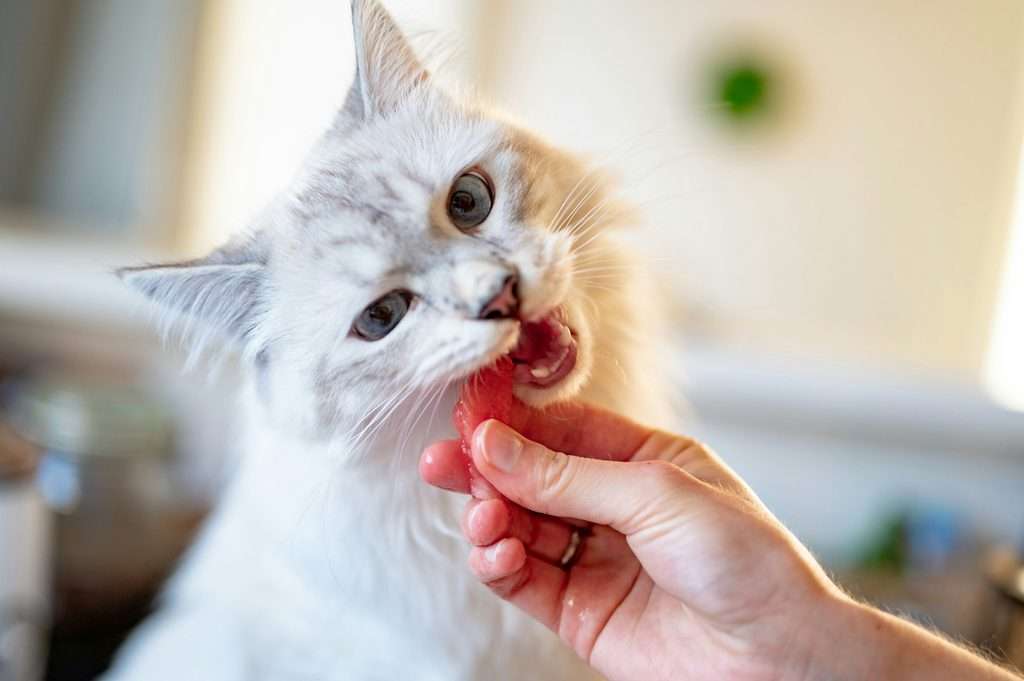
4. How to Prevent Digestive Upset When Feeding Your Cat Human Foods
Preventing food-related digestive problems is easier than trying to identify the cause after your cat becomes uncomfortable.
The safest approach is to make your cat’s complete and balanced cat food the foundation of its diet and treat human food as an occasional exception rather than a regular meal.
Practical Feeding Habits That Protect Your Cat’s Digestion
Follow these recommendations when deciding whether to offer your cat a small amount of human food.
1. Introduce unfamiliar foods cautiously
Avoid giving your cat several new ingredients at once. If a particular food is considered safe for cats, offer only a tiny amount and observe how your cat responds.
Introducing one ingredient at a time also makes it easier to identify a possible reaction.
2. Avoid rich and heavily prepared foods
Choose plain, appropriately cooked ingredients without added salt, sauces, butter, oil, or seasoning.
Never assume that food prepared for human consumption is automatically appropriate for cats.
3. Keep portions small
Even an ingredient that is generally tolerated may cause digestive discomfort when consumed in excessive quantities.
Treats and extras should remain a small part of the daily diet. The World Small Animal Veterinary Association (WSAVA) recommends keeping treats within approximately 10% of a cat’s daily calorie intake.
4. Maintain a consistent feeding routine
Sudden dietary changes can disturb digestion. When changing your cat’s regular food, make the transition gradually unless your veterinarian recommends a different approach.
You can also explore our guide on building a flexible feeding schedule for cats to understand how consistent feeding habits support healthier eating patterns.
5. Keep a simple food reaction record
If your cat experiences repeated digestive discomfort, write down:
- What food it consumed.
- Approximately how much it ate.
- When the food was offered.
- When symptoms appeared.
- Any changes in stool, appetite, or behavior.
This information can help your veterinarian investigate possible food intolerances or other digestive conditions.
For additional information about balanced feline nutrition, read Cornell University’s guide to feeding your cat.
Conclusion
Some human foods upset cats even when they are not toxic because digestive tolerance depends on more than whether an ingredient contains poisonous substances. Lactose, excessive fat, unfamiliar ingredients, large portions, and individual sensitivities can all contribute to stomach discomfort.
The most responsible approach is to avoid unnecessary table scraps, introduce suitable treats cautiously, and maintain a nutritionally complete diet designed for cats.
Remember that non-toxic does not always mean suitable. If your cat repeatedly develops digestive problems after eating certain foods, consult a veterinarian rather than experimenting with its diet.
References and Further Reading
- Cornell Feline Health Center – Feeding Your Cat
- VCA Animal Hospitals – Adverse Reactions to Food in Cats
- ASPCA – People Foods to Avoid Feeding Your Pets
- WSAVA – Feeding Treats to Your Cat
- Cornell Feline Health Center – Vomiting
- Cats Protection – Common Causes of Digestive Disturbances in Cats
This article is intended for educational purposes and does not replace professional veterinary diagnosis or treatment.