
How to Create a More Comfortable Daily Environment for Indoor Cats
Indoor cats depend on their home environment for almost everything: sleeping, playing, exploring, eating, drinking, and feeling safe. Although living indoors protects cats from many outdoor dangers, it does not automatically guarantee a comfortable or stimulating lifestyle.
A cat can have plenty of food, clean water, and a warm place to sleep but still experience boredom, frustration, or stress if its surroundings do not meet its natural needs. Small environmental improvements can make a meaningful difference to a cat’s daily routine, confidence, and overall well-being.
Creating a comfortable indoor environment does not require an expensive renovation or complicated equipment. Instead, it involves understanding how cats use their surroundings and providing opportunities to express natural behaviors such as climbing, hiding, scratching, hunting, and resting.
This guide explains how to create a more comfortable daily environment for indoor cats through practical changes that support their physical and emotional needs.
1. Create Safe and Comfortable Spaces for Resting and Hiding
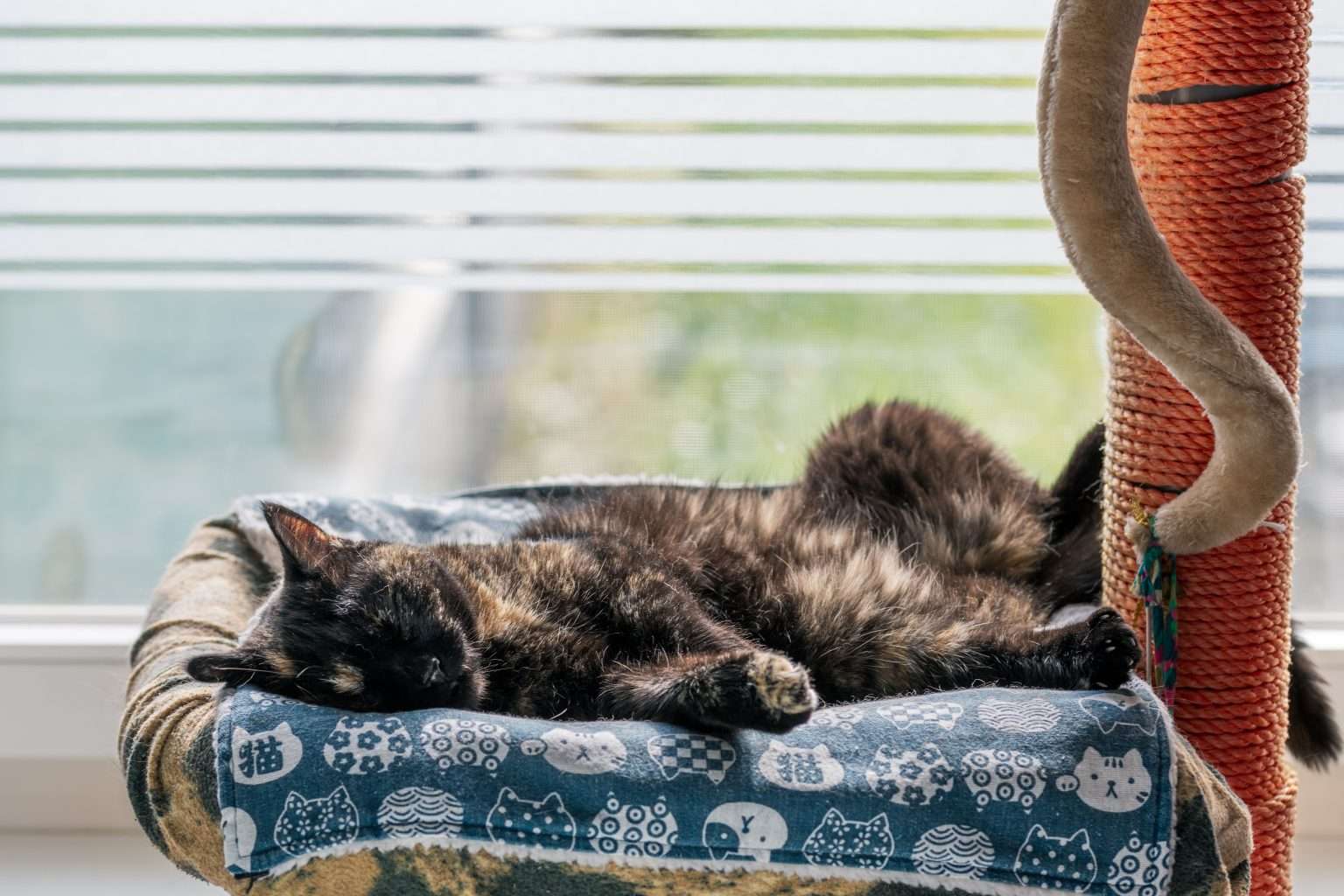
Cats spend a considerable part of their day resting, so comfortable sleeping areas are essential. However, cats do not always want to sleep in the same place. They often choose different locations depending on the temperature, noise level, light, and whether they want privacy.
Providing several resting options allows your cat to choose where it feels most comfortable.
Offer Different Sleeping Areas and Private Hiding Places
A comfortable indoor environment should include a combination of open resting areas and enclosed hiding spaces.
Consider providing:
- Soft sleeping beds: Place comfortable beds in quiet areas away from busy walkways.
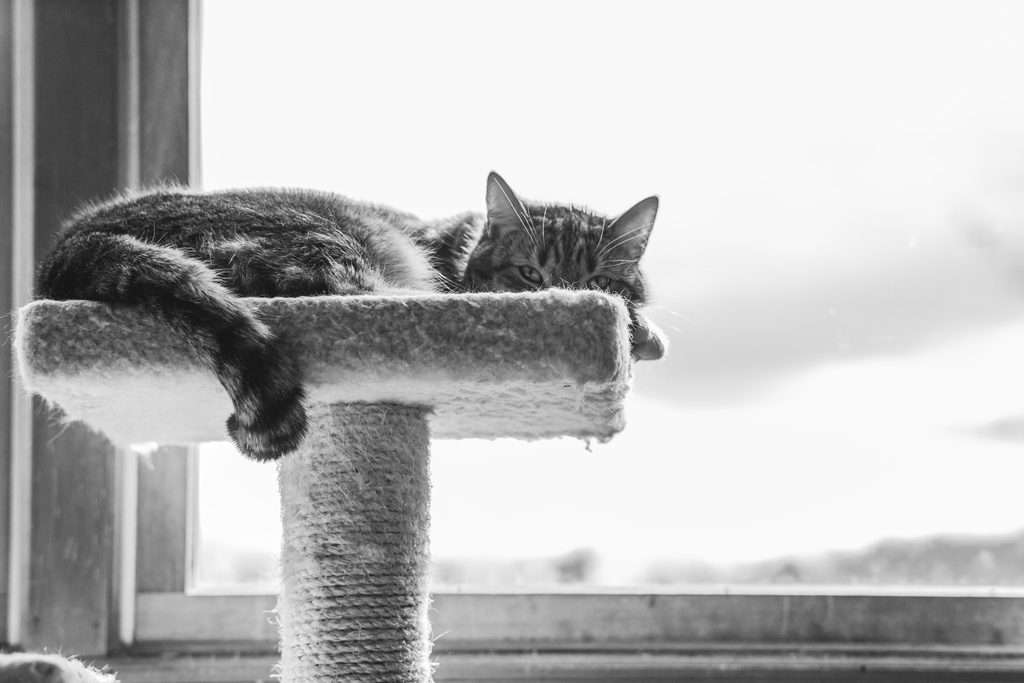
- Elevated resting spots: Cat trees, shelves, and stable furniture give cats opportunities to observe their surroundings from above.
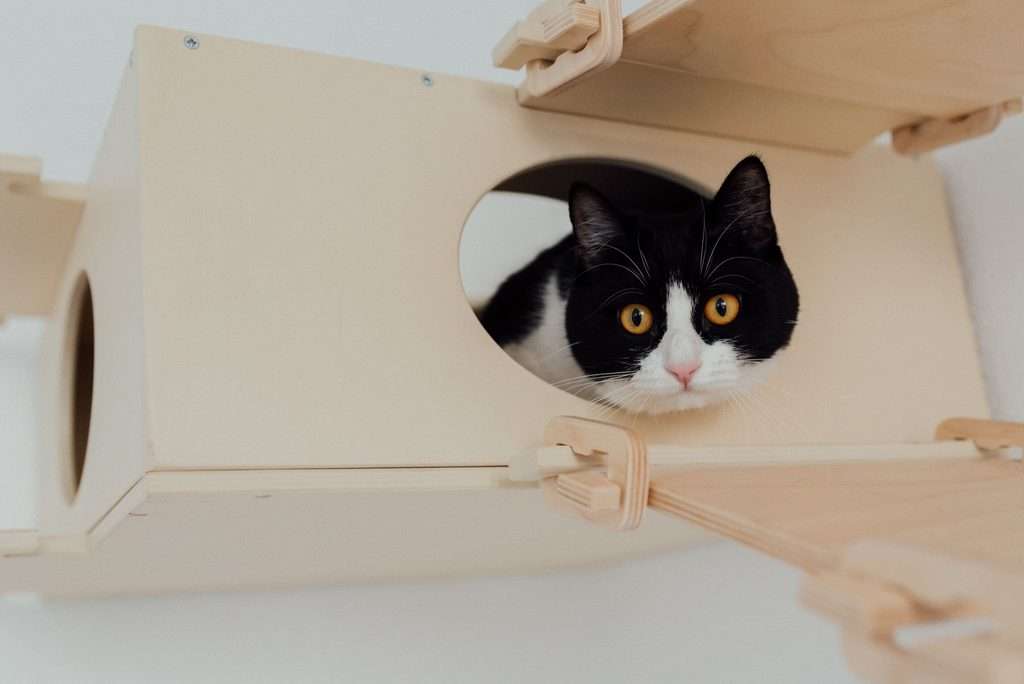
- Enclosed hiding places: Covered beds, cardboard boxes, and cat tunnels provide privacy when a cat needs to retreat.
- Warm resting locations: During colder months, choose comfortable areas away from drafts and damp floors.
- Quiet spaces: Make sure your cat has somewhere to rest without being disturbed by children, visitors, or other pets.
Location matters just as much as the sleeping equipment. Some cats prefer sunny windows, while others choose darker corners where they can rest without interruption.
If you have multiple cats, provide several separate resting and hiding areas. This reduces competition and allows each cat to enjoy some personal space.
Most importantly, never force a cat out of its hiding place simply because you want to interact with it. Having somewhere to retreat helps cats feel more secure.
2. Make Your Home More Stimulating Through Play and Exploration
An indoor cat needs more than a comfortable sleeping area. Without opportunities to explore, investigate, and play, everyday surroundings can become predictable and uninteresting.
Environmental enrichment helps prevent boredom while encouraging movement and natural feline behaviors.
Introduce Climbing Structures, Scratching Surfaces, and Interactive Toys
Cats naturally enjoy climbing, observing, scratching, and chasing moving objects. Your home should provide safe opportunities for these activities.
Useful additions include:
- Cat trees: Provide vertical space for climbing, resting, and observing the room.
- Scratching posts: Offer both vertical and horizontal scratching surfaces to accommodate different preferences.
- Interactive toys: Wand toys, moving toys, and lightweight balls encourage physical activity.
- Puzzle feeders: Food-dispensing toys encourage cats to work for small portions of their meals.
- Cardboard boxes and tunnels: Create inexpensive opportunities for hiding, exploring, and playing.

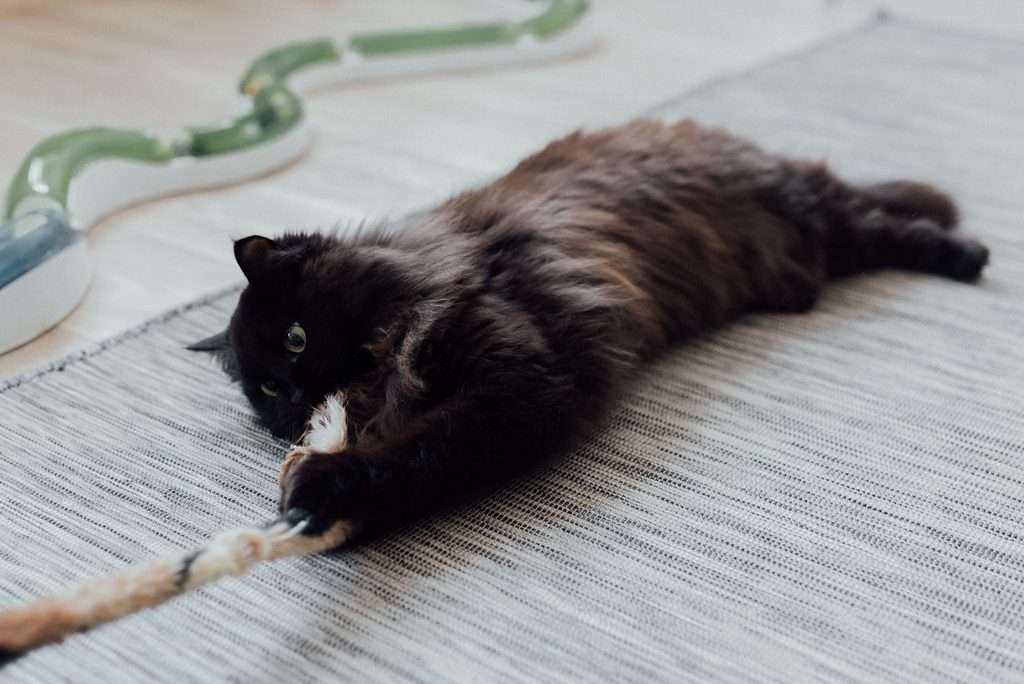
Play sessions are particularly important because they allow cats to express their natural hunting sequence: watching, stalking, chasing, and catching.
Try scheduling two or more short play sessions throughout the day, adjusting their duration to your cat’s age, health, and energy level. A few minutes of focused interaction can be more useful than leaving toys scattered around the house without engaging your cat.
Rotate toys every few days rather than offering everything at once. This can make familiar objects interesting again.
Also, supervise toys containing strings, feathers, or small detachable parts. Put them away after supervised play to prevent accidental swallowing or entanglement.
3. Organize Food, Water, and Litter Areas Properly
A comfortable home is not only about entertainment and sleeping arrangements. Cats also need easy access to essential resources without feeling threatened or disturbed.
The placement of food bowls, water stations, and litter boxes can influence how comfortably a cat uses different areas of the home.
Keep Essential Resources Clean, Accessible, and Separate
Start by choosing suitable locations for your cat’s everyday needs.
Food and water stations
Place food bowls in quiet locations where your cat can eat without being interrupted. Avoid positioning food directly beside litter boxes.
Water should also be easy to access. Consider placing multiple water bowls in different rooms, especially in larger homes or households with several cats.
Some cats prefer wide, shallow bowls that prevent their whiskers from repeatedly touching the sides. Fresh water should be available throughout the day, and bowls should be cleaned regularly.
Litter box placement
Litter boxes should be located in accessible, quiet areas where cats can use them without feeling trapped.
Follow these recommendations:
- Provide at least one litter box per cat, plus one additional box as a general guideline.
- Choose boxes large enough for your cat to turn around comfortably.
- Avoid placing litter boxes beside noisy washing machines or other startling appliances.
- Scoop waste at least once daily and clean the boxes regularly.
- Make sure other pets cannot block access to the litter area.
In multi-cat households, spreading resources across different locations is especially important. Placing all food bowls, water stations, and litter boxes together can create unnecessary competition.
Think about the home from your cat’s perspective: Can it reach its resources without passing another animal that might intimidate it? Can it leave the litter box easily? These small details can make everyday life considerably more comfortable.
4. Maintain a Calm Atmosphere and a Predictable Daily Routine
A cat’s comfort depends not only on physical surroundings but also on the sounds, smells, lighting, and daily activities inside the home. Cats can be sensitive to environmental changes, particularly when they affect familiar resting places, feeding schedules, or access to important resources.
A calm and predictable environment helps cats feel more secure and gives them greater control over their daily activities.
Reduce Environmental Stress and Respect Your Cat’s Preferences
Start by paying attention to the sensory experiences your cat encounters throughout the day.
Control unnecessary noise
Loud televisions, shouting, vacuum cleaners, and sudden household noises can make some cats uncomfortable. Try to keep noisy activities away from their favorite resting areas and provide a quiet retreat where they can relax.
Be careful with strong smells
Cats rely heavily on their sense of smell. Strong perfumes, scented cleaning products, air fresheners, and heavily fragranced litter may make certain cats uncomfortable. Choose gentle, pet-safe household products and ensure rooms are properly ventilated.
Allow access to natural light
A secure window perch can provide visual stimulation through birds, insects, and outdoor activity. Make sure windows have secure screens or other appropriate protection to prevent falls or escapes. Never assume a tilted or partially open window is safe for cats.
Keep familiar surroundings consistent
Avoid frequently moving your cat’s food bowls, litter boxes, beds, and scratching posts without a good reason. Familiar smells and locations can contribute to a sense of security.
Establish a predictable routine
Try to maintain reasonably consistent times for feeding, interactive play, cleaning litter boxes, and social interaction. Cats often benefit from knowing what to expect throughout the day.
Human interaction is equally important. Spend time with your cat according to its personality and preferences. Some cats enjoy being handled and cuddled, while others prefer sitting nearby or interacting through play.
Watch your cat’s body language. Flattened ears, a tucked tail, hiding, or attempts to move away may indicate discomfort. Respecting these signals helps build trust rather than creating unnecessary stress.
According to the AAFP and ISFM Feline Environmental Needs Guidelines, a healthy feline environment should support safety, access to essential resources, opportunities for play, positive social interactions, and respect for cats’ sensory needs.
Conclusion
Creating a more comfortable daily environment for indoor cats is about providing more than food, water, and a place to sleep. Cats need safe hiding spaces, comfortable resting areas, opportunities to climb and scratch, stimulating play activities, and easy access to essential resources.
Small changes can have a meaningful impact. Adding a scratching post, introducing a puzzle feeder, creating a quiet resting corner, or establishing a consistent play routine can make everyday life more enjoyable.
The most important recommendation is to observe your cat and adjust its surroundings according to its individual preferences, age, activity level, and behavior. A comfortable home is one where a cat feels safe, has choices, and can express its natural instincts without unnecessary stress.
Frequently Asked Questions
1. How can I make my indoor cat happier at home?
Provide comfortable resting areas, scratching posts, climbing opportunities, interactive toys, clean litter boxes, and regular positive interaction. Rotate toys and introduce simple enrichment activities to prevent boredom.
2. Do indoor cats need their own private space?
Yes. Cats benefit from having quiet places where they can rest, hide, and retreat when they feel overwhelmed. A cardboard box, covered bed, or enclosed cat house can provide a suitable private space.
3. How many litter boxes should I have for indoor cats?
A commonly recommended guideline is one litter box per cat, plus one additional box. In multi-cat households, distribute them in separate, accessible locations rather than placing them all together.
4. Can indoor cats become bored without outdoor access?
Yes. An indoor environment with limited stimulation may contribute to boredom and frustration. Interactive play, climbing structures, puzzle feeders, window observation, and opportunities to explore can provide valuable enrichment.
5. How do I know if my indoor cat is uncomfortable at home?
Possible signs include frequent hiding, reduced play, unusual aggression, excessive vocalization, changes in appetite, and inappropriate elimination. These behaviors can also indicate medical problems, so persistent or sudden changes should be discussed with a veterinarian.