
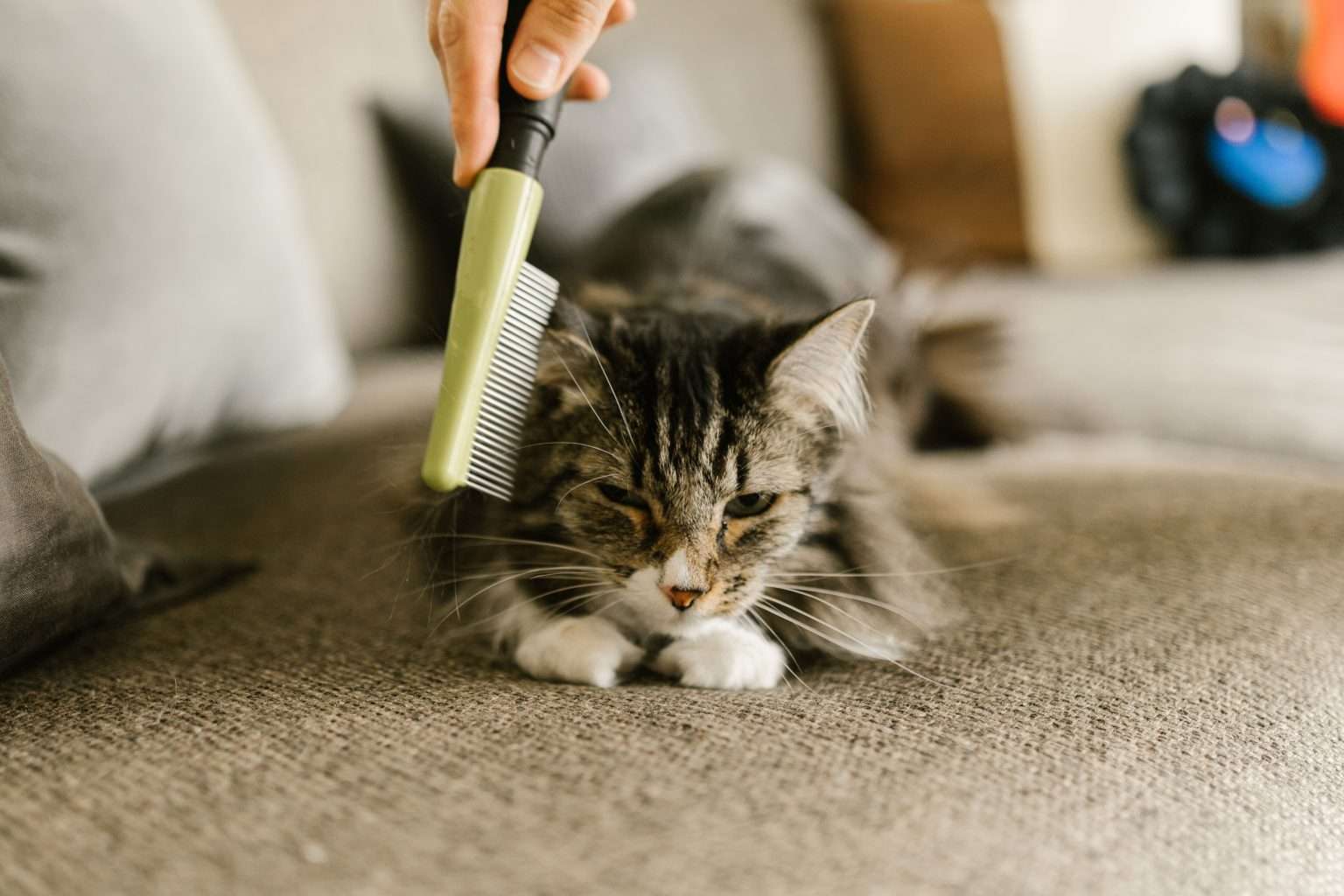
Why Does Your Cat Develop Tiny White Flakes After Being Brushed?
Have you ever brushed your cat and noticed tiny white flakes appearing throughout its fur? These small particles can look like dust or dandruff, particularly when they become visible against darker-colored coats. Although the sight may be surprising, it does not necessarily mean that your cat has a serious skin problem.
In many cases, white flakes after brushing a cat are dead skin cells that have accumulated between the hairs and become more noticeable when the coat is disturbed. However, persistent flaking can also indicate dry skin, excessive grooming, parasites, allergies, or an underlying skin condition.
Understanding why these flakes appear is important because brushing can reveal problems that are otherwise difficult to notice. It also helps you distinguish ordinary shedding and skin-cell renewal from symptoms that deserve veterinary attention.
This guide explains the most common causes of white flakes after brushing, how to recognize potential skin problems, and what you can do to keep your cat’s skin and coat healthy.
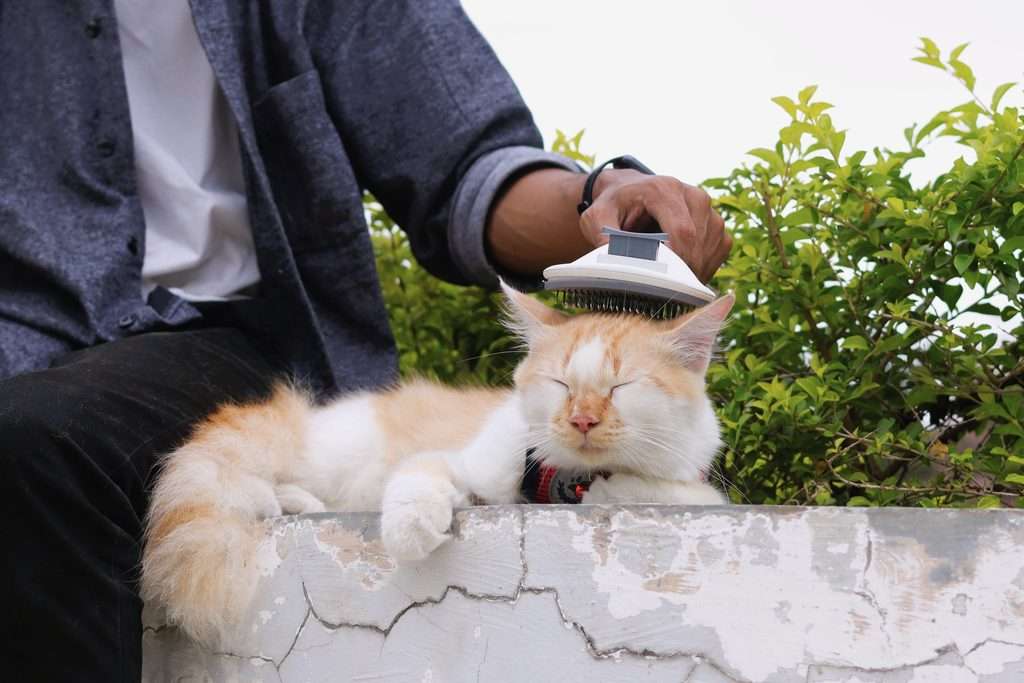
1. What Are the Tiny White Flakes Appearing After Brushing?
The tiny white particles you notice after brushing your cat are often skin flakes, commonly called cat dandruff. They consist of small pieces of dead skin that separate from the outer skin layer and become trapped in the coat.
Cats naturally shed old skin cells as part of their normal skin-renewal process. Under healthy conditions, these cells are usually removed through natural grooming and regular shedding. However, when dead skin accumulates, brushing can loosen it and make the flakes much easier to see.
Cat Dandruff vs. Loose Fur, Dust, and Skin Debris
Not every white particle in your cat’s coat is dandruff. Identifying what you are seeing can help you decide whether your cat needs a simple grooming adjustment or a veterinary examination.
Here are some differences to look for:
- Dandruff: Small, irregular white or pale flakes that resemble dry skin. They may remain attached to individual hairs or fall onto the brush.
- Loose fur: Fine strands of shed hair that become tangled with other particles during brushing.
- Dust and environmental debris: Tiny particles collected from bedding, carpets, or outdoor surfaces. They usually disappear after gentle cleaning.
- Skin crusts: More firmly attached, sometimes yellowish or brownish material that may develop around irritated or injured areas.

Another important distinction is between dandruff and dander. Dander consists of microscopic skin particles, whereas dandruff usually refers to larger, visibly recognizable flakes.
If the particles appear repeatedly in the same areas, particularly along your cat’s back, it is worth examining the skin more closely. Persistent scaling may indicate an underlying dermatological problem rather than ordinary skin shedding. The Cornell Feline Health Center’s guide to feline skin diseases explains how different skin conditions can produce scaling, itching, and hair loss.
2. Why Does Brushing Make White Flakes More Noticeable?
Brushing does not necessarily cause dandruff. In many cases, it simply removes loose skin cells that were already present but hidden beneath the coat.
However, the way you brush, your cat’s skin condition, and environmental factors can influence how noticeable these flakes become.
Five Common Reasons Your Cat Develops White Flakes
1. Naturally dry skin
Dry skin is one of the possible explanations for visible flakes after grooming. Low indoor humidity, seasonal weather changes, and frequent exposure to dry air can contribute to skin dryness.
Cats living in heated or air-conditioned environments may also experience changes in skin moisture. If your cat has mild dryness without itching, redness, or hair loss, environmental conditions may be worth considering.
2. Brushing too aggressively
Using excessive pressure or a brush with unsuitable bristles can irritate sensitive skin. Repeatedly brushing the same area may also loosen more surface skin cells than usual.
This is particularly important for cats with delicate skin, short coats, or existing irritation.
3. Accumulated dead skin cells
Some cats have difficulty removing loose skin cells through self-grooming. This may happen when they are overweight, older, less flexible, or experiencing joint discomfort.
Consequently, flakes can accumulate beneath the fur and become visible when a brush reaches the underlying coat.
4. Inappropriate grooming products
Shampoos, sprays, scented wipes, and other grooming products may irritate feline skin, especially when they contain unsuitable ingredients.
Cats generally do not need frequent baths. If bathing is necessary, use products specifically recommended for cats rather than human shampoos or household cleaning products.
5. Underlying skin conditions
Persistent dandruff may be associated with seborrhea, allergies, parasitic infestations, or bacterial and fungal infections.
According to VCA Animal Hospitals’ veterinary guide to seborrhea in cats, this condition can produce dry or oily scaling, sometimes accompanied by itching, redness, and an unpleasant coat condition.
Therefore, if flakes continue appearing despite gentle grooming, it is important to investigate the underlying cause instead of simply brushing more frequently.
3. Skin Conditions That Can Cause Persistent White Flakes in Cats

Although occasional flakes may be related to ordinary skin shedding, recurring dandruff can sometimes be an early sign of a health problem. The appearance of the flakes, their location, and any accompanying symptoms can provide useful clues.
Four Skin Problems Cat Owners Should Recognize
1. Seborrhea (dry or oily dandruff)
Seborrhea is a skin disorder involving abnormal production or handling of skin oils and excessive scaling. It can appear in two main forms:
- Dry seborrhea produces visible, powdery flakes.
- Oily seborrhea produces greasy skin, waxy scales, and sometimes an unpleasant smell.
Some cats experience a combination of both. Seborrhea may develop as a primary disorder, but it can also occur secondary to another health problem. Veterinary examination is necessary to identify the underlying cause and choose appropriate treatment.
2. Fleas and skin mites
External parasites can irritate your cat’s skin, leading to scratching, inflammation, hair loss, and excessive skin shedding.
One particularly interesting condition is walking dandruff, caused by Cheyletiella mites. These parasites can resemble moving white flakes across the coat, especially around the back.
Unlike ordinary dandruff, walking dandruff is contagious and may spread between animals. Some Cheyletiella mites can also cause temporary skin irritation in people.
If you notice moving particles, persistent itching, or unusual scaling, avoid treating the problem as ordinary dry skin. Your veterinarian can examine your cat and recommend suitable parasite control.
The Merck Veterinary Manual’s explanation of feline mite infestations provides additional information about these parasites.
3. Allergies and skin irritation
Cats can develop allergic reactions to environmental substances, certain foods, flea bites, and other irritants.
Although itching is often a more noticeable symptom than dandruff, repeated scratching and licking can damage the skin and contribute to scaling.
Watch for:
- Frequent scratching around the head and neck.
- Excessive licking or biting of the coat.
- Red or inflamed skin.
- Small scabs or bald patches.
- Repeated irritation in particular areas.
Cornell’s guide to feline skin disorders explains how allergies, parasites, infections, and nutritional problems can affect skin and coat condition.
“What greater gift than the love of a cat?”
Charles Dickens
4. Fungal and bacterial skin infections
Some skin infections can produce white scaling, crusts, redness, and localized hair loss.
Ringworm is particularly important because, despite its name, it is a fungal infection rather than a parasitic worm. It can cause circular areas of hair loss and scaly skin, although its appearance is not always typical.
Ringworm can spread to other pets and people. Therefore, unexplained circular patches, broken hairs, or persistent scaling should be assessed by a veterinarian.
A veterinarian may recommend skin scrapings, fungal testing, microscopic examination, or other diagnostic procedures depending on the symptoms.
When should you become concerned?
Arrange a veterinary examination if your cat develops persistent dandruff, especially when it is accompanied by:
- Increasing amounts of white flakes.
- Redness, swelling, or visible skin wounds.
- Bald patches or excessive shedding.
- Continuous scratching or licking.
- Greasy fur or an unusual skin odor.
- Crusting or thickened skin.
Seek prompt veterinary advice if the skin appears painful, infected, or rapidly deteriorates. Early investigation can prevent a minor irritation from developing into a more complicated skin problem.
4. How to Prevent White Flakes and Maintain a Healthy Cat Coat
Once you understand the possible reasons for dandruff, the next step is improving your cat’s everyday grooming routine. Good coat care involves more than removing loose fur; it also means protecting the skin and recognizing changes before they become serious.
Six Practical Ways to Support Healthy Skin and Fur
1. Choose the right grooming brush
Select a brush according to your cat’s coat length and skin sensitivity. A soft-bristled brush or gentle grooming glove may suit some short-haired cats, while a suitable comb can help manage longer coats.
Avoid brushes with sharp or damaged teeth that may scratch the skin.
2. Brush gently and consistently
Use slow movements in the direction of hair growth. Start with a few gentle strokes and observe your cat’s reaction.
A practical routine includes:
- Brushing short-haired cats once or twice weekly, adjusting as needed.
- Grooming long-haired cats more frequently to prevent tangles.
- Checking the skin during every grooming session.
- Avoiding repeated brushing over irritated or sensitive areas.
If your cat becomes uncomfortable, stop and allow it to relax.
3. Provide balanced nutrition
Healthy skin depends partly on adequate nutrition. Cats need a complete and balanced diet containing appropriate amounts of protein, essential fatty acids, vitamins, and minerals.
Omega-3 and omega-6 fatty acids contribute to normal skin function and coat condition. However, adding supplements without professional advice is not always necessary.
If your cat’s coat becomes dull, brittle, or unusually flaky, discuss its diet with your veterinarian before making major nutritional changes.
4. Maintain a comfortable indoor environment
Dry indoor air may contribute to skin dryness in some cats. Maintaining comfortable indoor humidity and providing clean, comfortable sleeping areas can support general skin health.
Wash bedding regularly and keep grooming equipment clean, particularly if you have multiple cats.
5. Maintain appropriate parasite prevention
Fleas and mites can cause considerable skin irritation, even when they are not immediately visible.
Follow your veterinarian’s recommendations for feline-specific parasite prevention. Never use dog flea treatments on cats unless a veterinarian has specifically confirmed that a product is safe for feline use.
6. Avoid unnecessary bathing and home remedies
Frequent bathing can remove natural oils and potentially worsen skin dryness. Most healthy cats do not need regular baths because they maintain their coats through self-grooming.
Also avoid applying human moisturizers, essential oils, medicated creams, or homemade treatments without veterinary guidance. Some substances that are harmless to people can be dangerous to cats.
If dandruff persists, treatment should target its actual cause rather than simply covering up the flakes.
Conclusion
Finding tiny white flakes after brushing your cat is not necessarily a reason to panic. In many cases, these particles are simply accumulated dead skin cells or mild dandruff that becomes visible during grooming.
However, persistent flaking can indicate dry skin, seborrhea, allergies, parasites, or fungal infections. The most important thing is to look beyond the flakes and pay attention to your cat’s overall skin condition and behavior.
Maintain gentle grooming habits, provide balanced nutrition, use appropriate parasite prevention, and avoid unsuitable grooming products. If the flakes continue or appear alongside itching, redness, or hair loss, arrange a veterinary examination.
A healthy coat begins with healthy skin, and regular grooming gives you an excellent opportunity to monitor both.
Frequently Asked Questions (FAQs)
1. Is it normal for my cat to have white flakes after brushing?
Occasional small flakes may be harmless dead skin cells. However, repeated or excessive flaking should not be ignored, particularly when accompanied by itching, redness, or hair loss.
2. Can brushing too much cause dandruff in cats?
Yes. Excessive brushing, particularly with a harsh or unsuitable brush, can irritate sensitive skin and make flaking more noticeable. Use gentle strokes and choose grooming equipment appropriate for your cat’s coat.
3. Should I bathe my cat to remove white flakes?
Not necessarily. Bathing may worsen dryness or irritation if inappropriate products are used. Consult your veterinarian before using medicated shampoos or other skin treatments.
4. Can cat dandruff be caused by fleas or mites?
Yes. Fleas and certain mites can irritate the skin and cause excessive scaling. Cheyletiella mites, in particular, are associated with a condition called walking dandruff.
5. When should I take my cat to the veterinarian for dandruff?
Arrange an examination if the flakes persist, increase, or appear alongside scratching, hair loss, redness, scabs, greasy fur, or an unusual odor. A veterinarian can identify the cause and recommend appropriate treatment.