What Happens When Your Cat’s Water Bowl Is Placed Too Close to Its Food?
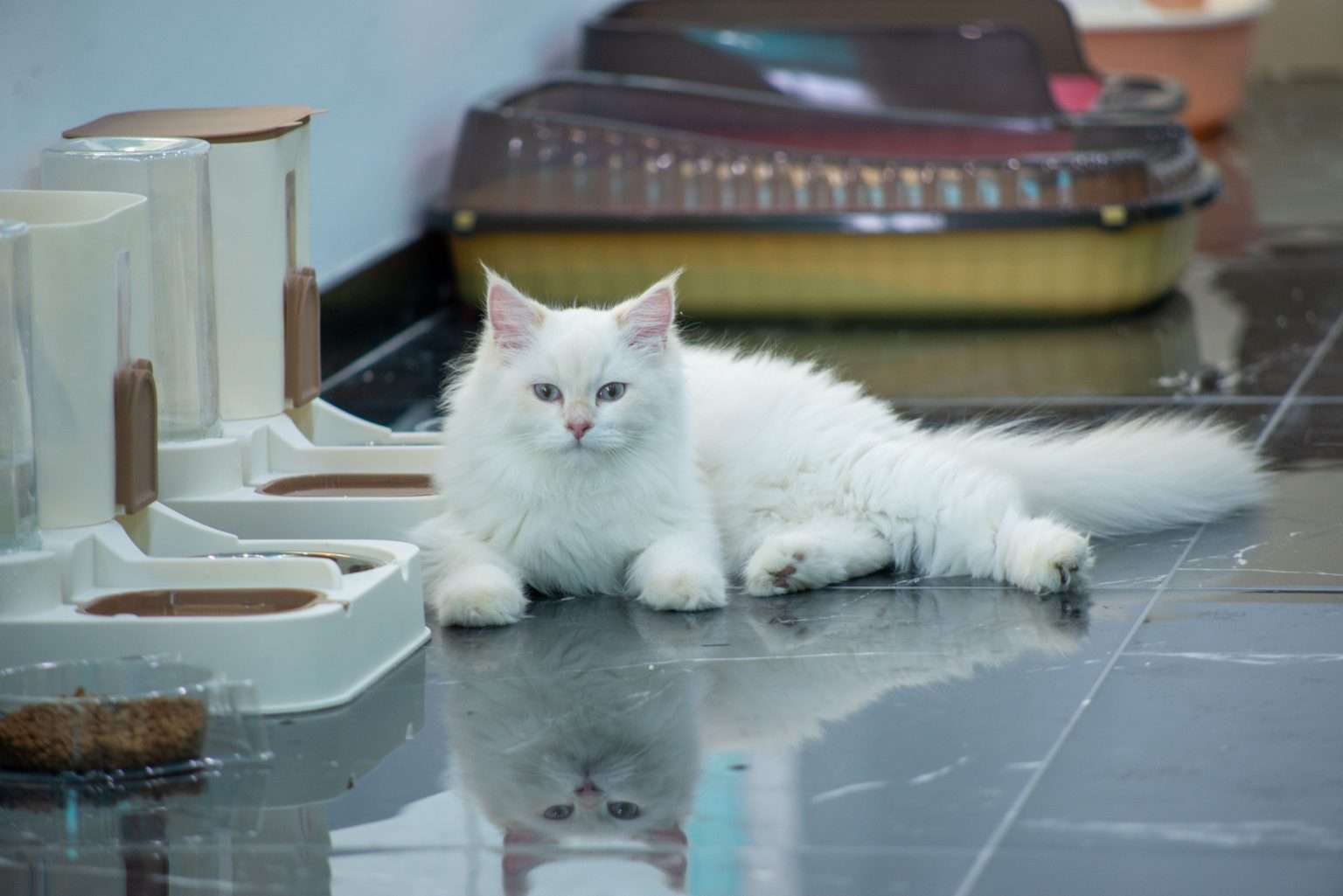
Cats can be surprisingly particular about where they drink, eat, and rest. Although placing a water bowl directly beside a food bowl may seem convenient, this arrangement is not always ideal for feline preferences. Some cats drink less, ignore their water bowl, or seek water from other places around the house when their drinking area does not suit them.
So, does placing your cat’s water bowl too close to its food actually make a difference?
The answer is that some cats prefer drinking water away from their feeding area, and feline environmental guidelines recommend providing separate locations for food and water. However, individual preferences vary, and there is no strong experimental evidence that every cat will drink less when the bowls are next to each other.
Understanding this distinction can help you create a more comfortable feeding environment, encourage healthy hydration, and recognize when unusual drinking habits might indicate an underlying health problem.
1. Why Cats May Prefer Their Water Bowl Away From Food
Domestic cats have different environmental preferences from humans. While we often arrange food and water together for convenience, cats may feel more comfortable when these resources are available in separate locations.
The Natural Instinct Behind Separating Food and Water
One explanation comes from the behavior of cats’ wild ancestors. In natural environments, feeding locations and drinking sources are not necessarily found in the same place. Cats may encounter water sources away from where they catch and consume prey.
This background is often used to explain why some domestic cats prefer separate feeding and drinking areas.
Feline environmental guidelines from the American Association of Feline Practitioners (AAFP) and the International Society of Feline Medicine (ISFM) recommend keeping important resources, including food and water, in separate locations.
However, it is important not to interpret this as a universal rule. Research has not conclusively established that all cats instinctively reject water placed near food. Some cats happily use neighboring bowls, while others show a clear preference for greater distance.
The most practical approach is to give your cat a choice rather than assume that one arrangement works for every animal.
2. What Problems Can Occur When Food and Water Bowls Are Too Close?
Placing both bowls next to each other does not automatically create a health problem. Nevertheless, the arrangement may be less appealing to certain cats, particularly those that prefer drinking in a quiet area away from their feeding station.
Reduced Interest in Drinking and Water Contamination
There are several possible disadvantages to placing a water bowl directly beside food.
1. Your cat may avoid the water bowl
Some cats simply prefer drinking somewhere different from where they eat. If the water bowl is positioned too close to food, your cat may choose another drinking location, such as a bathroom sink, bathtub, or glass of water left unattended.
This behavior does not necessarily mean your cat dislikes the water itself. The location may be the issue.
2. Food particles can contaminate drinking water
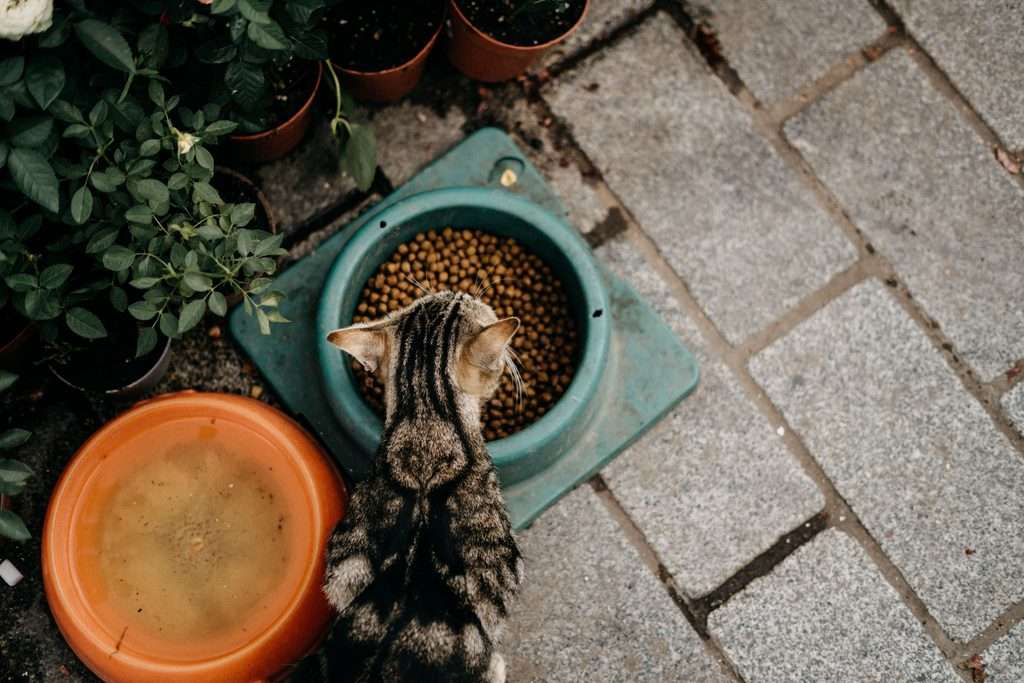
When cats eat, small pieces of dry food, wet food, or crumbs can fall into nearby water. Food residue may change the water’s smell, appearance, and taste.
Cats can be sensitive to changes in their drinking environment. Water that contains floating food particles may become less appealing, especially if it is not replaced regularly.
3. The shared feeding area may become uncomfortable
A crowded feeding station can create an unpleasant experience, particularly in small spaces. A cat may have to approach food, water, and other household activity within the same limited area.
Providing separate locations gives your cat more freedom to choose where it feels comfortable drinking.
4. Competition can become a problem in multi-cat homes
When several cats share one feeding and drinking station, a confident cat may unintentionally prevent another cat from accessing the water.
This is especially important when one cat controls access to a particular room or frequently occupies the feeding area.
The AAFP and ISFM recommend providing separate environmental resources to reduce competition and help cats feel secure.
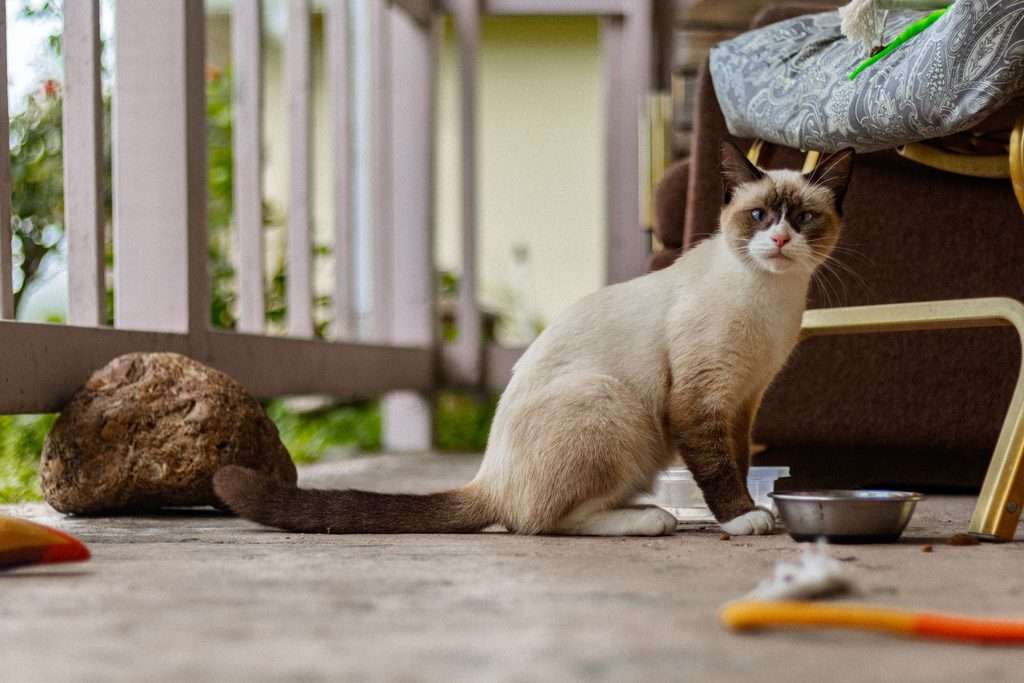
3. Where Should You Place Your Cat’s Water Bowl?
The ideal location should be quiet, clean, accessible, and separate from the feeding area. You do not necessarily need another room; even moving the bowl to another part of the kitchen or living room can provide a useful alternative.
Practical Water Bowl Placement Tips for Better Hydration
Consider the following recommendations when arranging your cat’s drinking area:
- Create some distance from food: Position the water bowl away from the food dish rather than directly beside it. There is no scientifically established minimum distance that applies to every cat.
- Choose a quiet location: Avoid placing water near noisy appliances, busy walkways, or frequently opening doors.
- Keep water away from litter boxes: Cats should have separate drinking, feeding, and toileting areas.
- Provide multiple drinking locations: Consider placing additional water bowls in different accessible areas of your home.
- Use a suitable bowl: Wide, relatively shallow bowls can make drinking more comfortable for cats that dislike their whiskers touching the sides.
- Replace water regularly: Provide fresh drinking water and clean the bowl daily to prevent residue and unpleasant smells.
Should you place the water bowl in another room?
Not necessarily. A separate room can work well, but it is not a requirement. What matters most is that your cat has an accessible drinking area away from its food and litter box.
For example, if your cat eats in the kitchen, you could place its water bowl in a quiet corner of the living room. Alternatively, a second bowl could be positioned in another suitable area.
Be particularly careful with older cats, kittens, and cats with mobility difficulties. Their water should remain easy to reach without requiring them to climb stairs or jump onto elevated surfaces.
4. How to Tell Whether Your Cat Dislikes Its Water Bowl Location
Cats cannot tell us directly when something about their environment makes them uncomfortable. However, their everyday behavior can provide useful clues.
Signs Your Cat May Need a Different Drinking Area
Watch for changes in how your cat approaches and uses its water bowl.
Possible signs include:
- Frequently walking toward the water bowl but leaving without drinking.
- Drinking from bathroom sinks, bathtubs, or other unexpected places.
- Showing more interest in water from a different location.
- Avoiding the feeding station when another cat is nearby.
- Drinking only when the surrounding area is quiet.
- Showing a preference for a newly introduced water bowl elsewhere in the house.
“Time spent with cats is never wasted.”
Sigmund Freud
These behaviors may suggest that your cat prefers another drinking arrangement, but they are not proof that bowl placement is the cause.
A simple home experiment: Keep the original water bowl available and introduce a second bowl in a separate, quiet location. Use clean bowls with the same fresh water and observe which location your cat chooses over several days.
Avoid forcing your cat to use one particular bowl. Instead, allow it to make its own choice.
Also, monitor changes in water consumption. Cornell University’s Feline Health Center explains that access to fresh water is important for maintaining hydration, and that reduced water intake can have several causes, including illness, dental discomfort, and difficulty accessing drinking water.
If your cat suddenly drinks much more or less than usual, do not assume the bowl location is responsible. A veterinary examination may be necessary to identify the cause.
Conclusion
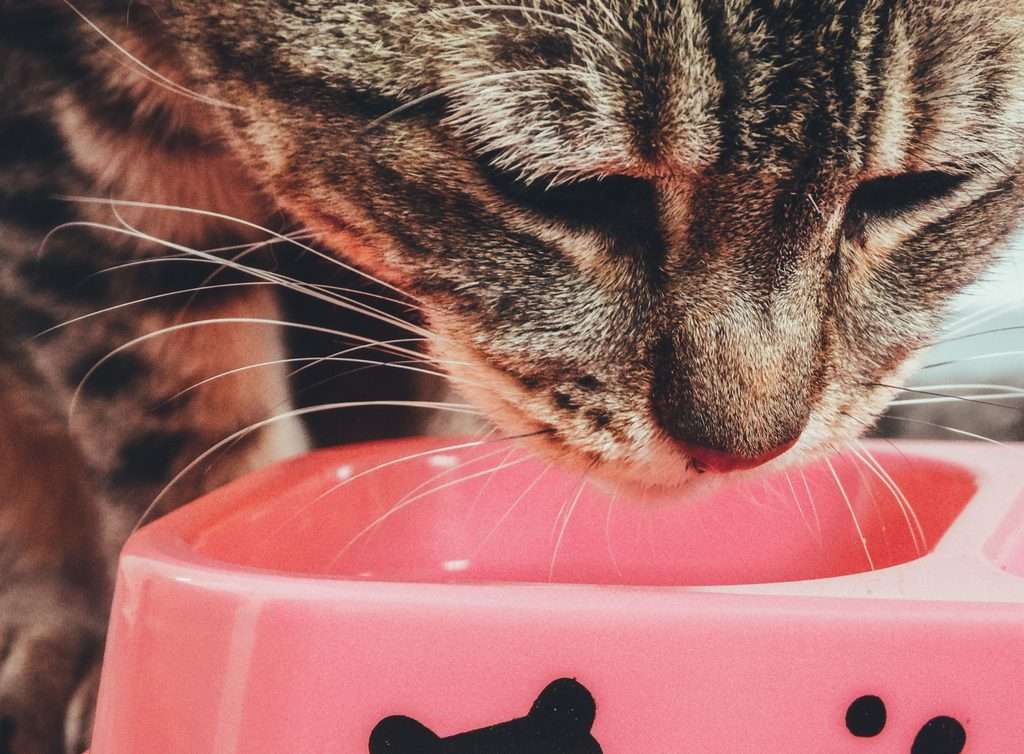
Placing your cat’s water bowl directly beside its food is not necessarily harmful, but it may not suit every cat. Some cats prefer drinking away from their feeding area, and separate water locations can provide greater comfort, accessibility, and choice.
The best approach is to provide fresh water in more than one suitable location, keep drinking areas clean, and observe your cat’s preferences. Small changes in bowl placement can make everyday care more comfortable while helping you monitor your cat’s hydration habits.
Remember that persistent changes in drinking behavior deserve veterinary attention rather than being treated as a simple preference.
Frequently Asked Questions
1. Should a cat’s water bowl be next to its food bowl?
It is generally better to offer water in a separate location. However, some cats are comfortable drinking near their food, so individual preferences should guide the arrangement.
2. How far should a cat’s water bowl be from its food?
There is no scientifically established minimum distance. The important thing is to avoid placing the bowls directly together and provide an alternative drinking location.
3. Why does my cat drink from the sink instead of its water bowl?
Your cat may prefer running water, a different bowl shape, or another drinking location. Some cats also dislike stale water or bowls that are not cleaned regularly.
4. Should I provide more than one water bowl?
Yes. Multiple water stations can improve accessibility and reduce competition, especially in households with several cats. Place them in separate, quiet locations.
5. Does wet cat food reduce the need for drinking water?
Wet food contributes to your cat’s daily water intake because it contains considerable moisture. However, fresh drinking water should always remain available, regardless of whether your cat eats wet or dry food.
References and Further Reading
- 1. International Cat Care: Encouraging Your Cat to Drink – Caregiver Guide. Guidance on water bowl placement, avoiding double feeders, and encouraging hydration.
- 2. Cornell Feline Health Center: Hydration in Cats. Information about feline hydration, water intake, and dehydration.
- 3. American Association of Feline Practitioners and International Society of Feline Medicine: Feline Environmental Needs Guidelines. Recommendations for providing separate environmental resources, including food and water.
- 4. Cats Protection: Water: Domestic Cat. Practical information about drinking preferences and water bowl placement.
- 5. Journal of Feline Medicine and Surgery: Feeding Cats for Optimal Mental and Behavioral Well-Being. Discusses feline feeding behavior and the limitations of evidence concerning food and water separation.
Editorial note: Recommendations about separating food and water are supported by feline environmental-care guidance. However, research has not established that every cat drinks less when the bowls are close together.