Why Does Your Cat Lick Its Fur Right After You Pet It?
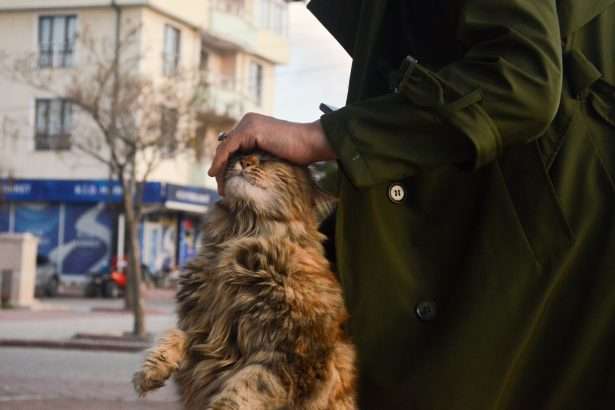
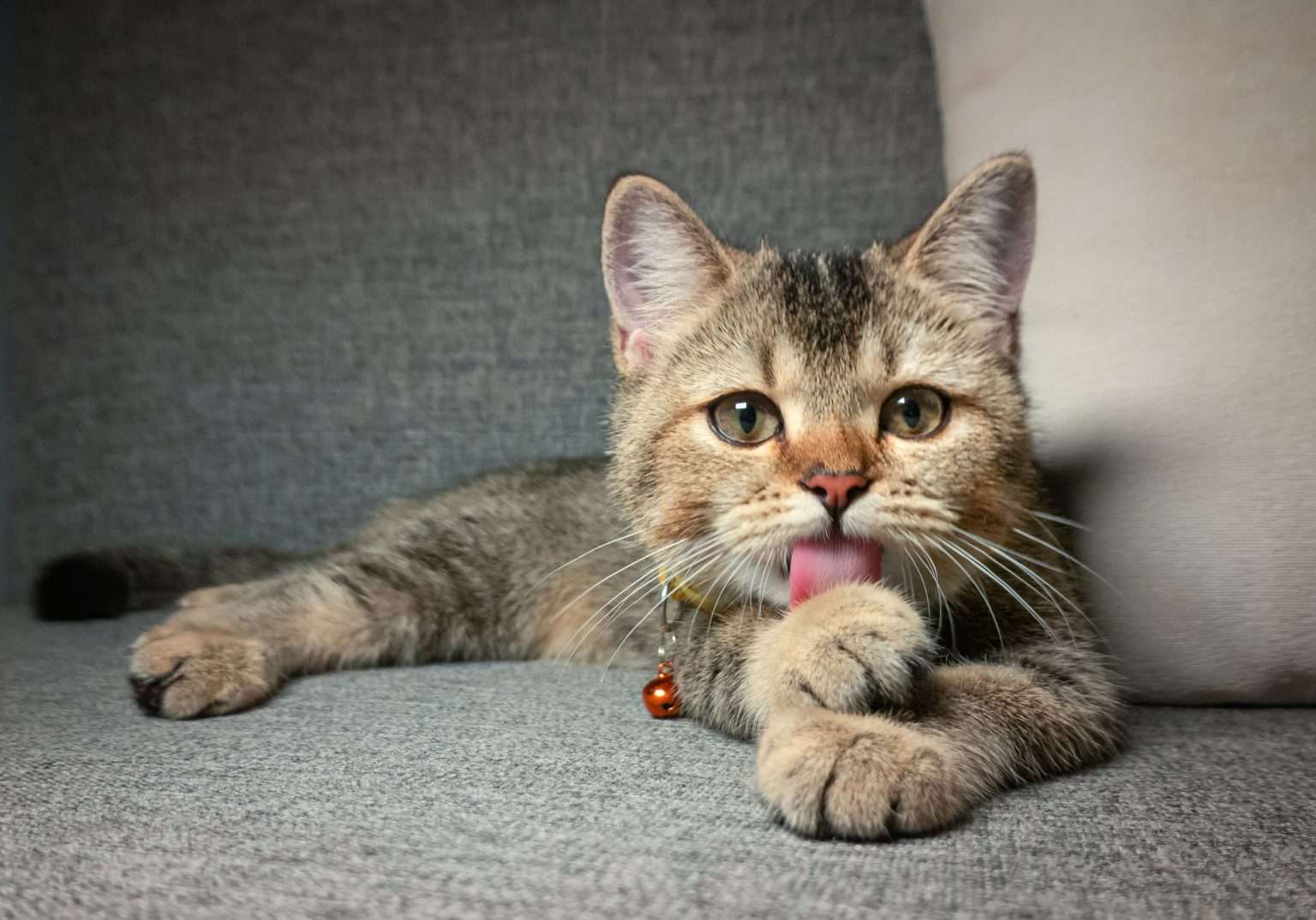
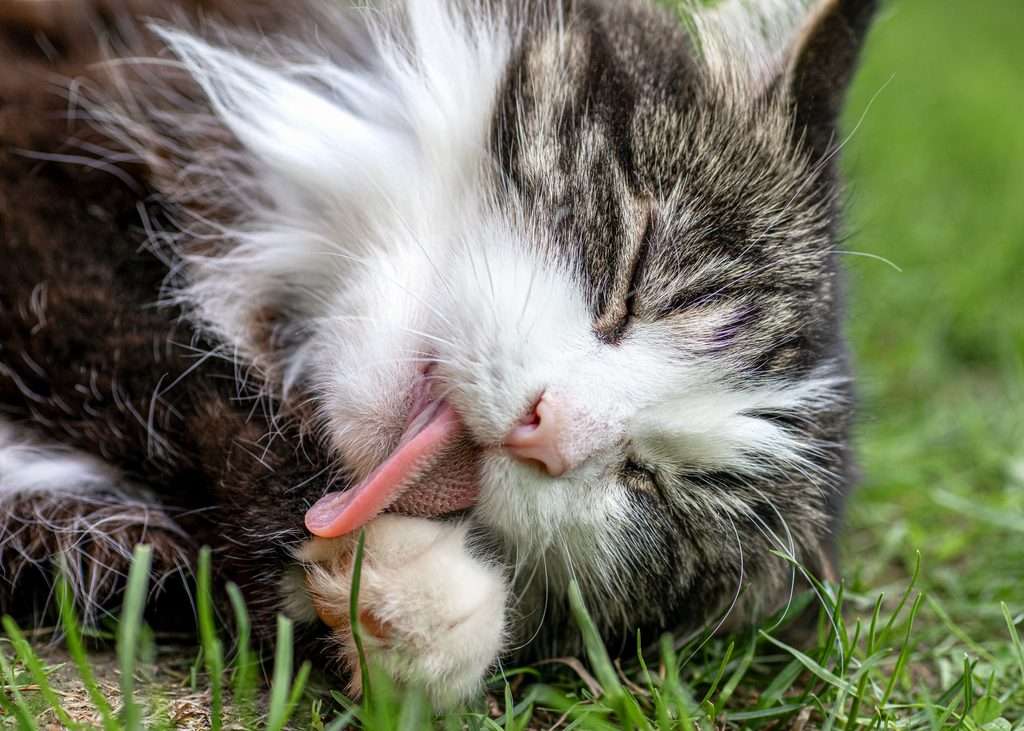
Cats have fascinating grooming habits, and one behavior that often puzzles owners is when a cat starts licking its fur immediately after being petted. You may gently stroke your cat’s back, head, or sides, only to watch it turn around and begin grooming the exact area you touched.
Does this mean your cat dislikes being petted? Is it trying to remove your scent, or is grooming simply part of its natural routine?
In most cases, a cat licking its fur after being petted is normal behavior. It may be responding to physical stimulation, rearranging its fur, regulating its sensory experience, or returning to a familiar grooming routine. However, the context, frequency, and intensity of the licking can reveal more about your cat’s comfort and emotional state.
Understanding why cats groom themselves after human contact can help you recognize their preferences, respect their boundaries, and build a stronger relationship with them.
1. Normal Grooming: Why Cats Clean Their Fur After Human Touch
A Natural Instinct to Maintain Their Coat
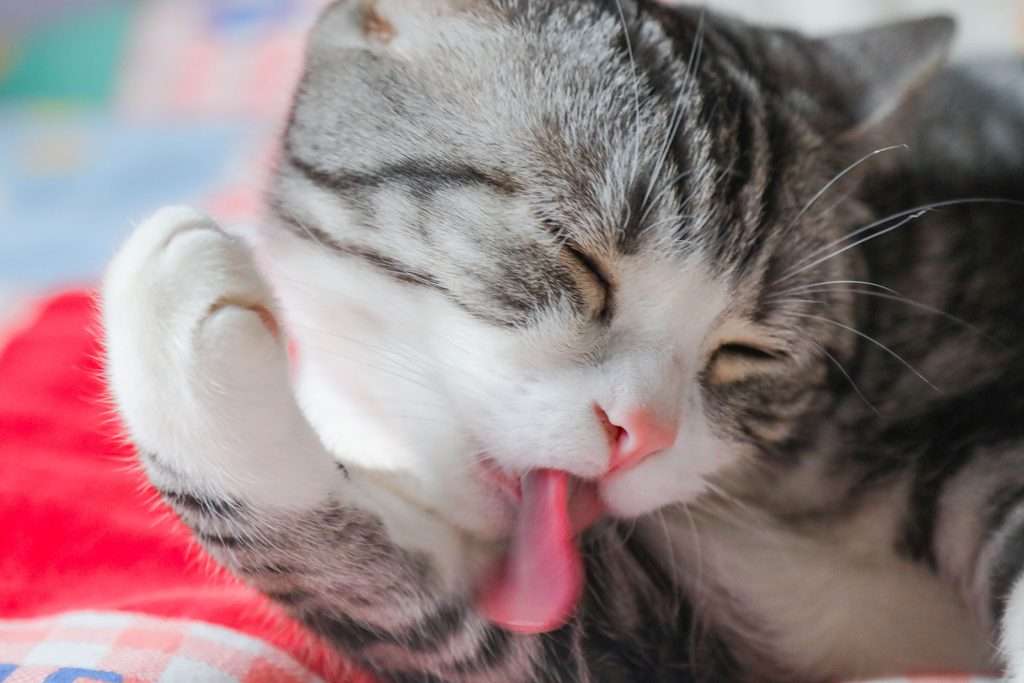
One of the simplest explanations is that your cat is following its natural grooming instincts. Cats are naturally clean animals that use their tongues to maintain their coats, remove loose hair, and clean areas that may have collected dirt or debris.
When you stroke your cat, your hand changes the position of its fur. Your fingers may flatten certain hairs, separate the coat, or create small areas that your cat instinctively wants to smooth out.
Consequently, your cat may begin licking the same spot immediately after you touch it. This behavior does not necessarily indicate discomfort. It may simply be returning its coat to a familiar condition.
Grooming also serves several important purposes:
- Removing loose hair: The tongue helps collect dead and loose hairs from the coat.
- Cleaning the skin: Licking helps remove small particles and everyday dirt.
- Distributing natural oils: Grooming helps spread oils across the coat, supporting its condition.
- Maintaining body comfort: Saliva evaporating from the fur can contribute to cooling.
According to the PetMD guide to why cats lick themselves, grooming is an important daily behavior that serves several cleaning and comfort-related functions.
It is also worth remembering that cats do not necessarily interpret human touch in the same way people do. A gentle stroke may feel pleasant, but the physical sensation can still encourage the cat to groom afterward.
“Cats are a mysterious kind of folk. There is more passing in their minds than we are aware of.”
Sir Walter Scott
2. Scent, Familiarity, and Your Cat’s Need for Control
Does Your Cat Want to Restore Its Own Scent?
Cats experience the world through smell, and scent plays an important role in how they recognize familiar individuals and environments.
Their bodies contain scent-producing glands, particularly around the cheeks, chin, forehead, and other areas. Cats use these glands when rubbing against furniture, objects, and people.
When you pet your cat, you introduce additional physical contact and potentially transfer small amounts of your natural skin oils, fragrances, or other environmental scents onto its coat.
Your cat may respond by grooming itself as part of its normal scent-related behavior.
However, it is important not to assume that every cat licking its fur after being touched is deliberately removing your smell. The exact reason behind this individual behavior cannot always be determined simply by observing it.
There is another interesting possibility: grooming can help cats return to a familiar routine after an interaction.
For example, imagine your cat is resting comfortably on the sofa. You approach, gently stroke its back several times, and then stop. Your cat may immediately begin licking its shoulder or side.
Rather than rejecting your affection, it may simply be transitioning from social interaction back to its usual activity.
This distinction matters because grooming is not automatically a sign of dislike.
What should you observe?
Pay attention to your cat’s overall body language:
- Relaxed ears and a loose body usually indicate comfort.
- Slow blinking and gentle purring may accompany positive interactions.
- Turning away without tension may simply mean your cat has finished interacting.
- Repeatedly moving away from your hand suggests that it wants more personal space.
Understanding these signals can help you distinguish ordinary grooming from discomfort.
3. Overstimulation: When Petting Becomes Too Much
Recognizing the Signs That Your Cat Needs a Break
Although grooming after petting is often harmless, it can sometimes be associated with overstimulation.
Cats have different tolerance levels for physical contact. Some enjoy long petting sessions, while others prefer a few gentle strokes before becoming uncomfortable.
Repeatedly touching the same area can produce an unpleasant sensation, particularly around sensitive parts of the body.
In some cats, the stimulation may trigger a desire to move away, groom themselves, or communicate that the interaction should stop.
This behavior is sometimes associated with petting-induced aggression, a recognized feline behavioral response.
According to the Cornell Feline Health Center’s guidance on petting-induced aggression, some cats become overstimulated during petting and may display warning signals before reacting defensively.
Common warning signs include:
- Tail twitching or repeated tail movements.
- Ears rotating sideways or flattening backward.
- Skin rippling or twitching along the back.
- Suddenly turning the head toward your hand.
- Tensing the body or moving away.
- Growling, hissing, or attempting to bite.
If your cat begins grooming immediately after showing these signs, avoid continuing to pet it.
Instead, give it enough space to relax.
A useful technique is the short-petting test:
- Allow your cat to approach you voluntarily.
- Offer one or two gentle strokes around the cheeks or head.
- Pause and observe its reaction.
- Continue only if your cat actively seeks more contact.
- Stop if it turns away, becomes tense, or shows signs of irritation.
This approach allows your cat to control the interaction rather than feeling trapped in a prolonged petting session.
Remember that a cat can enjoy your company while still preferring limited physical contact. Respecting that preference is an important part of building trust.
4. When Post-Petting Licking May Indicate a Health Problem
Distinguishing Normal Grooming from Excessive Licking
Occasionally licking the area you have just touched is usually not concerning. However, repeated or unusually intense grooming deserves closer attention.
Sometimes, petting draws attention to an area that is already itchy, painful, or sensitive.
For example, if your cat has fleas, skin allergies, irritation, or an underlying skin condition, touching the affected area may encourage it to lick that particular spot.
Other possible causes include:
- Flea infestations: Flea bites can cause itching and repeated grooming, particularly around the lower back and tail base.
- Environmental or food allergies: Allergic skin reactions may lead to persistent licking, scratching, and irritation.
- Skin infections: Bacterial or fungal conditions can cause discomfort and changes in grooming habits.
- Pain or physical sensitivity: A cat may repeatedly lick an area associated with discomfort.
- Stress and anxiety: Some cats develop excessive grooming as a coping behavior when their environment becomes stressful.
The Cornell University article on excessive feline licking explains that overgrooming may have medical or psychological causes and should not be ignored. Vétérinaire Cornell+1
Signs that require veterinary attention
Watch for the following changes:
- Noticeable bald patches or thinning fur.
- Red, inflamed, or irritated skin.
- Repeated licking of exactly the same area.
- Small wounds, scabs, or bleeding.
- Increased scratching or biting of the coat.
- Sudden changes in grooming habits.
- Grooming that interrupts eating, sleeping, or playing.
If these signs appear, arrange a veterinary examination. A veterinarian may need to check for parasites, allergies, skin infections, or other underlying conditions.
Do not apply human creams, essential oils, or skin treatments without veterinary advice, as some products can be harmful to cats.
How can you help your cat?
You can support healthy grooming habits by:
- Maintaining a consistent flea and parasite prevention routine recommended by your veterinarian.
- Brushing your cat regularly with a suitable grooming tool.
- Keeping its environment clean and comfortable.
- Providing hiding places, scratching posts, and interactive toys.
- Avoiding excessive petting, especially around sensitive areas.
- Monitoring changes in its coat and skin.
The goal is not to prevent your cat from grooming itself. Grooming is an essential feline behavior. The goal is to recognize when it becomes excessive or uncomfortable.
Conclusion
If your cat licks its fur immediately after you pet it, there is usually no reason to worry. This behavior may reflect its natural grooming instinct, a response to physical stimulation, or a preference for returning to its familiar routine.
However, context matters. A relaxed cat that briefly cleans its coat is very different from one that repeatedly licks the same area, becomes irritated, or develops bald patches.
The best approach is to observe your cat’s body language, respect its preferred level of physical contact, and seek veterinary advice whenever grooming habits change significantly.
Ultimately, understanding your cat’s small behavioral signals can help you create a more comfortable environment and develop a healthier relationship built on trust.
Frequently Asked Questions
1. Does my cat lick itself after petting because it dislikes me?
No. Grooming after petting does not automatically mean your cat dislikes you. It is often a normal response to physical contact or part of its regular cleaning routine.
2. Why does my cat lick the exact spot where I touched it?
Your touch may have changed the position of its fur or stimulated the skin. Your cat may simply be cleaning and smoothing the area. However, repeated licking of one particular spot can indicate irritation or discomfort.
3. Is grooming after petting a sign of stress?
Not necessarily. Brief grooming is normal, but excessive licking accompanied by tense body language, hiding, or other behavioral changes may suggest stress or overstimulation.
4. Should I stop petting my cat when it starts licking itself?
Not always. If your cat appears relaxed, you can simply allow it to groom. However, if it shows signs of irritation, tail flicking, or attempts to move away, stop petting and give it space.
5. When should I worry about my cat licking its fur too much?
Seek veterinary advice if licking causes hair loss, skin redness, wounds, or becomes frequent enough to interfere with normal activities. These signs may indicate an underlying medical or behavioral problem.
References and Further Reading
The following veterinary and educational resources support the article’s behavioral and health information: