
How to Create a More Comfortable Daily Environment for Indoor Cats
Indoor cats depend on their home environment for almost everything they need, from physical activity and mental stimulation to security, relaxation, and social interaction. Although keeping a cat indoors can protect it from many outdoor dangers, spending most of its life inside does not automatically guarantee comfort or happiness.
A comfortable indoor environment should do more than provide food, water, and a warm place to sleep. It should allow cats to explore, climb, hide, scratch, play, observe their surroundings, and enjoy quiet moments without feeling disturbed.
Creating this kind of environment does not necessarily require expensive furniture or a large house. Small, thoughtful changes to your daily routine and home arrangement can make a meaningful difference to your cat’s quality of life.
Here are practical ways to make your home more comfortable, stimulating, and reassuring for an indoor cat.
1. Create Safe Spaces and Comfortable Resting Areas
Cats need places where they can relax without being interrupted. Unlike humans, they often prefer resting locations that provide privacy, protection, and a good view of their surroundings. A cat that has no suitable place to retreat may become unsettled, particularly in a busy household.
The AAFP and ISFM feline environmental guidelines identify safe places as one of the essential foundations of a healthy feline environment.
Provide Hiding Places and Quiet Sleeping Spots
You do not need a separate room to create a comfortable resting area. Consider providing:
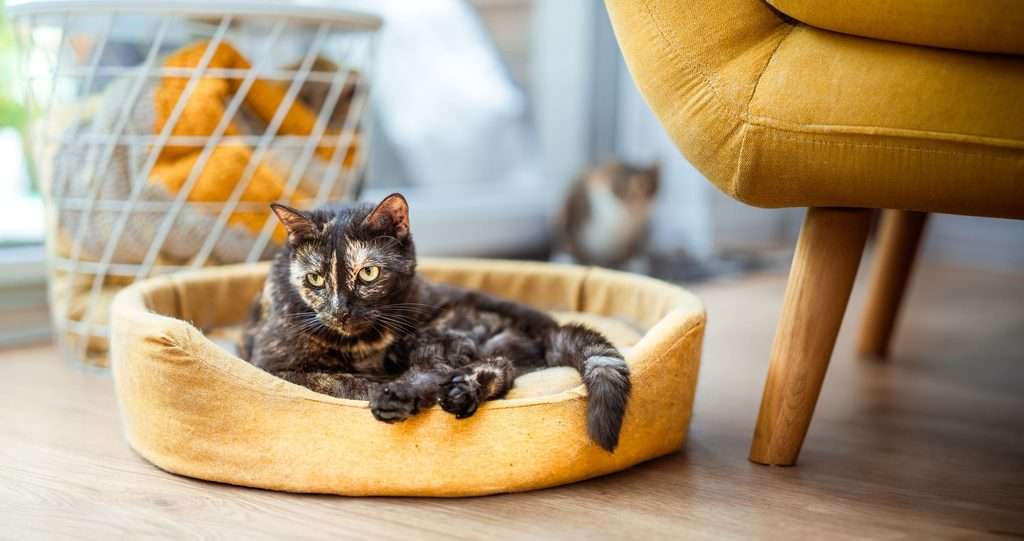
- A soft cat bed in a quiet corner.
- A cardboard box with a comfortable blanket.
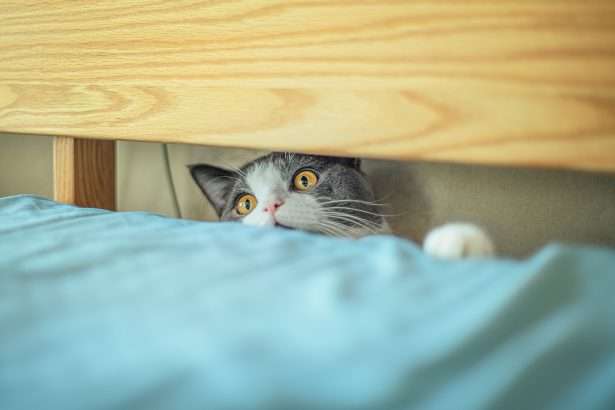
- A covered cat bed where your cat can retreat.
- A padded window perch away from household disturbances.
- A familiar blanket carrying your cat’s own scent.
Ideally, provide more than one resting option. Some cats enjoy sleeping in elevated positions, while others prefer enclosed spaces close to the floor.
It is also important to respect your cat’s sleeping habits. Avoid repeatedly waking it, moving it from its preferred resting place, or forcing interaction when it wants to be alone.
For households with multiple cats, make sure each animal has access to separate resting and hiding places. This reduces competition and gives cats greater control over their personal space.
2. Improve Indoor Layout With Vertical Space and Environmental Enrichment
A comfortable home should encourage natural feline behaviors rather than restrict cats to the floor. Cats instinctively enjoy climbing, observing, exploring, and choosing different positions from which to monitor their surroundings.
Vertical space is particularly valuable in smaller homes because it increases the usable living area without requiring additional floor space.
Add Climbing Opportunities, Scratching Surfaces, and Interesting Views
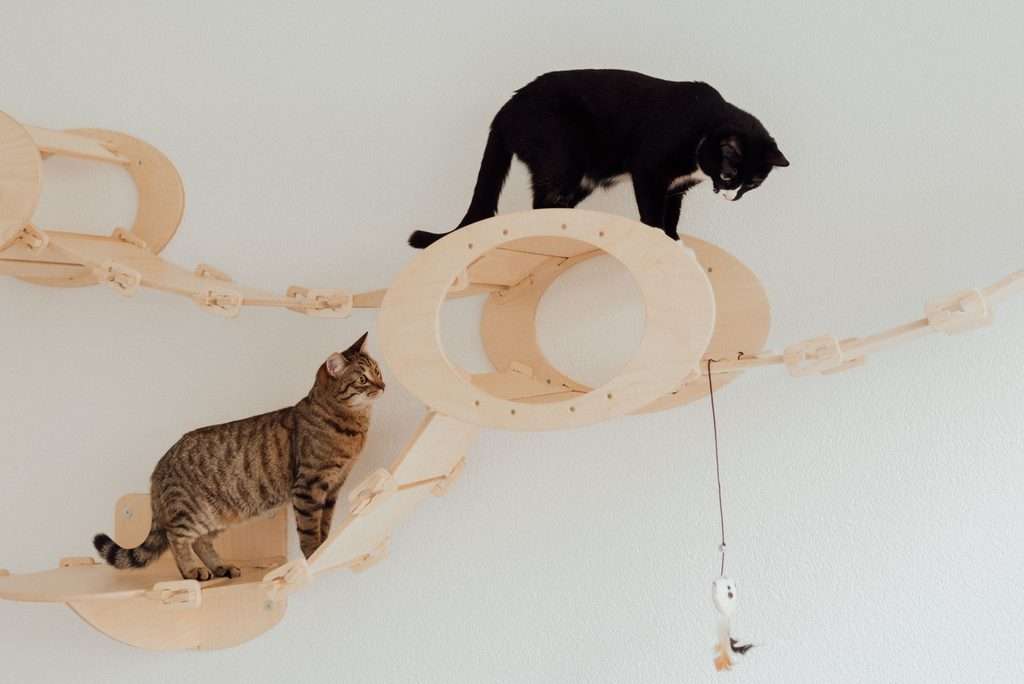
Consider introducing some of the following features:
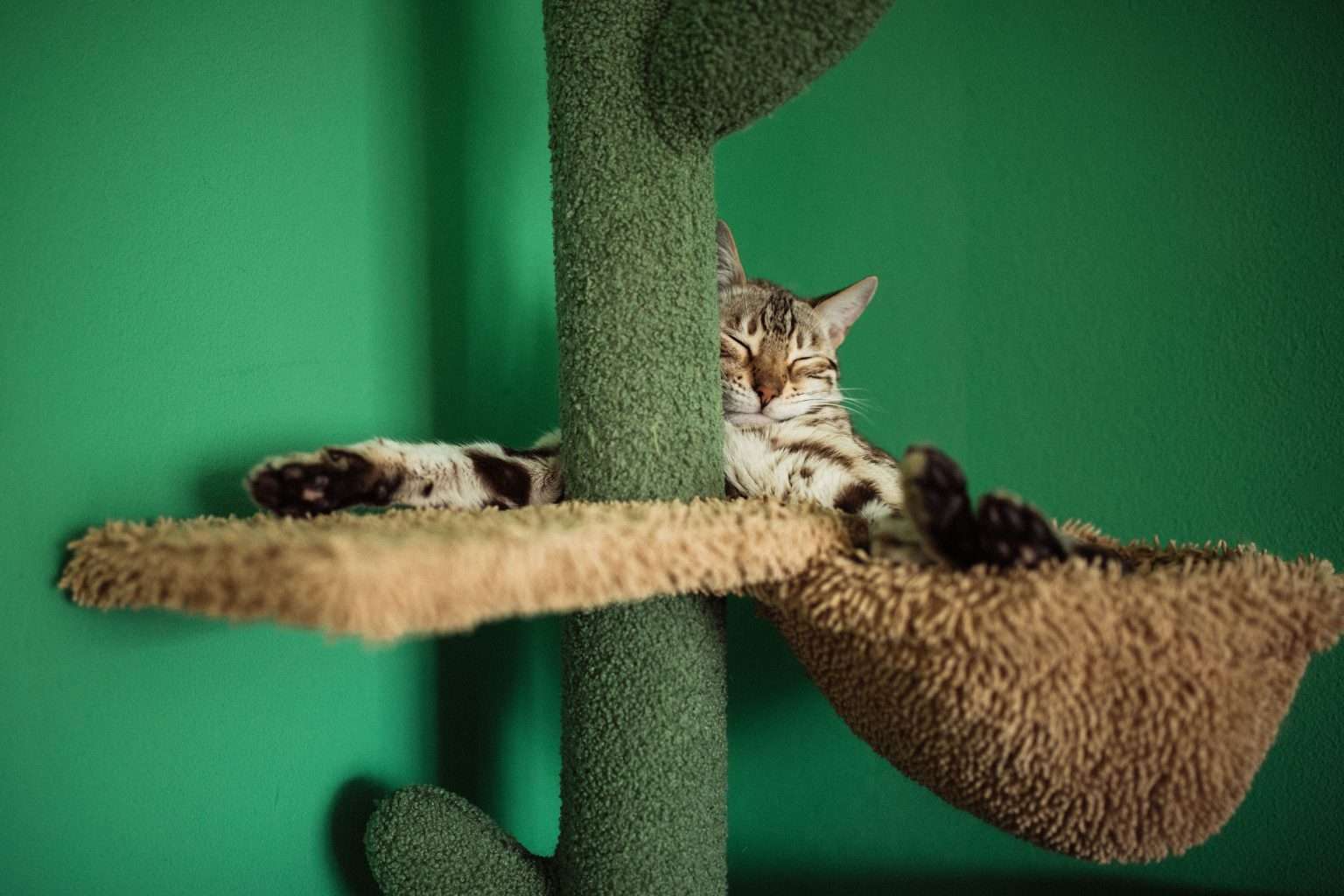
- Cat trees: Provide elevated resting platforms and opportunities for climbing.
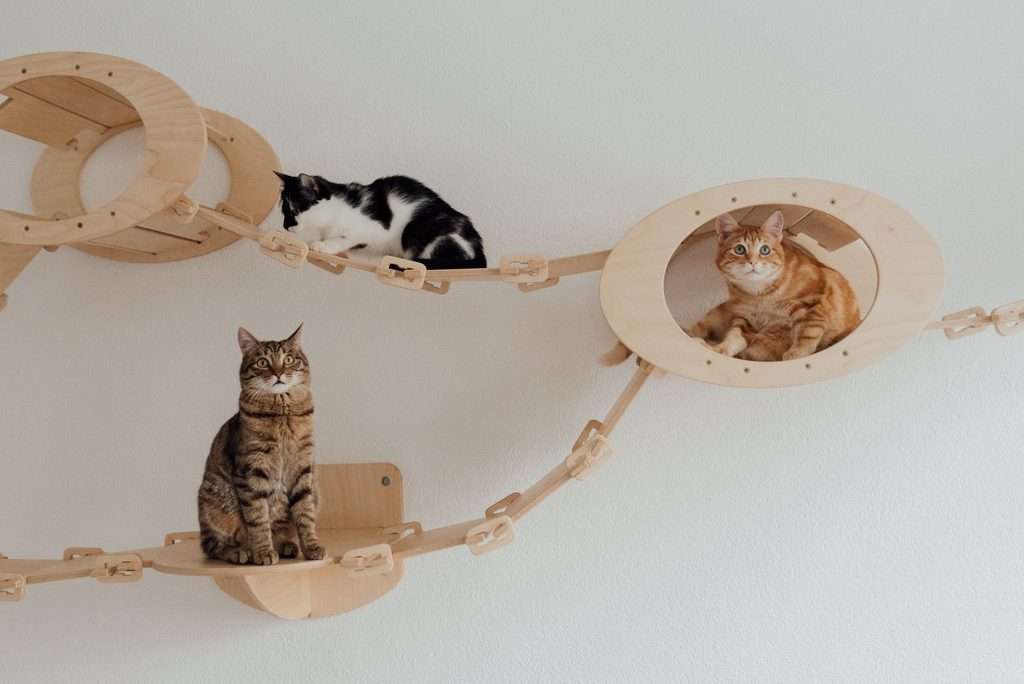
- Wall-mounted shelves: Create safe routes between different heights.
- Scratching posts: Allow cats to stretch, maintain their claws, and leave scent marks.
- Window perches: Give cats opportunities to watch birds, people, and outdoor activity.
- Tunnels and cardboard structures: Encourage exploration and provide additional hiding places.

Choose stable furniture that will not wobble or fall when your cat jumps onto it. Make elevated locations accessible to kittens, senior cats, and animals with mobility difficulties.
Scratching surfaces should also match your cat’s preferences. Some cats prefer vertical posts, while others enjoy horizontal cardboard scratchers.
Position scratching options near sleeping areas or locations where your cat already scratches. This makes the alternatives more appealing.
Importantly, avoid blocking every interesting view. Watching outdoor activity can provide mental stimulation, provided the window is secure and the cat cannot escape or fall.
3. Maintain Clean, Accessible, and Well-Separated Daily Resources
The arrangement of essential resources can have a greater impact on feline comfort than many owners realize. Cats generally appreciate having separate areas for eating, drinking, sleeping, scratching, and using the litter box.
When these resources are crowded together or placed in uncomfortable locations, cats may have fewer opportunities to choose where and when they use them.
Organize Food, Water, and Litter Boxes Properly
Start by evaluating where your cat’s essential resources are located.
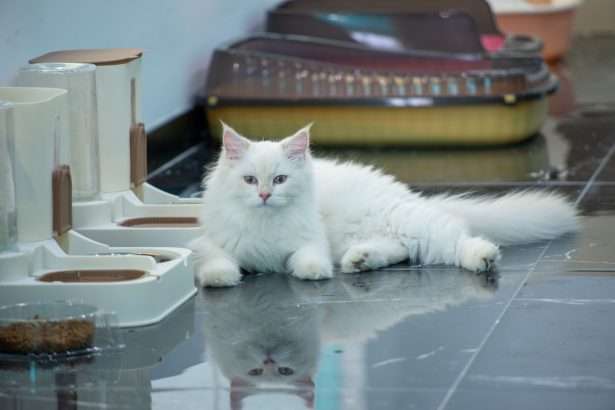
Food and water: Place feeding bowls in a quiet area where your cat can eat without being disturbed. Keep drinking water separate from food bowls and away from litter boxes. Some cats prefer wide, shallow bowls that do not press against their whiskers.
Litter boxes: Choose a quiet, accessible location that offers privacy without making your cat feel trapped. Avoid placing the litter box next to noisy washing machines, busy doorways, or feeding stations.
A commonly recommended guideline is to provide one litter box per cat, plus one additional box. For example, a household with two cats should ideally have three litter boxes in separate locations.
Cleaning and hygiene: Remove waste regularly, wash food and water bowls, and replace dirty bedding when necessary. Avoid strongly scented cleaning products around your cat’s resting and toileting areas.
The Cornell Feline Health Center’s litter box recommendations explain why box size, cleanliness, location, and litter preference matter.
For multi-cat households, providing separate feeding stations and resting areas is especially important. A cat should not have to pass another cat that blocks access to food, water, or the litter box.
Remember that accessibility matters as much as cleanliness. Older cats and those with joint problems may need low-entry litter boxes, ramps, and resting places that do not require difficult jumps.
4. Build a Predictable Daily Routine With Play and Positive Interaction
A comfortable indoor environment is not only about furniture and physical surroundings. Your cat’s daily experiences, interactions, and opportunities to express natural behaviors are equally important.
Indoor cats can become bored when their surroundings offer little variety or when they spend long periods without meaningful activity. A balanced routine helps provide stimulation while maintaining a sense of security.
Combine Interactive Play, Mental Stimulation, and Gentle Social Contact
Try incorporating these activities into your cat’s everyday schedule:
- Interactive play: Use wand toys, soft balls, or suitable moving toys to encourage stalking, chasing, and pouncing. Several short sessions can fit naturally into the day.
- Food puzzles: Introduce simple puzzle feeders that encourage your cat to work for part of its regular food allowance. Begin with easy designs and gradually increase the difficulty.
- Toy rotation: Keep a small selection of toys available and rotate others every few days. This can help maintain interest without constantly purchasing new items.
- Window watching: Provide a secure viewing area where your cat can observe birds, trees, and outdoor activity.
- Positive interaction: Spend time talking gently, offering attention, or sitting near your cat. Allow it to decide whether it wants petting or simply companionship.
“The cat is the soul of the home.”
Jules Champfleury
A useful approach is to follow a natural activity sequence: play, an appropriate meal, and then an opportunity to rest. Individual preferences vary, so observe when your cat is most interested in activity.
Predictability is equally important. Try to maintain reasonably consistent feeding, cleaning, and play schedules. If your household routine changes, preserve familiar activities where possible.
Also, avoid using your hands as toys. This can encourage unwanted biting and scratching during play. Never leave toys with loose strings, detachable pieces, or damaged components unattended.
Reduce unnecessary household stress
Noise and unexpected changes can make an otherwise attractive home uncomfortable. Loud televisions, sudden shouting, unfamiliar visitors, and constant disturbances may affect some cats more than others.
To improve the atmosphere:
- Provide a quiet retreat during gatherings or noisy activities.
- Avoid forcing your cat to meet visitors.
- Keep its familiar bedding and important resources in consistent locations.
- Introduce new furniture and household changes gradually.
- Use gentle handling and avoid punishment.
Respecting your cat’s preferences is essential. A comfortable home gives the animal choices rather than demanding constant interaction.
Conclusion: Small Changes Can Make Your Indoor Cat’s Life Better
Creating a more comfortable daily environment for indoor cats begins with understanding their natural needs. Safe resting areas, vertical spaces, scratching surfaces, clean resources, interactive play, and predictable routines all contribute to a better living experience.
You do not need to transform your entire home at once. Start by improving one area, observe how your cat responds, and gradually introduce other changes.
Most importantly, remember that every cat has an individual personality. The best indoor environment is one that provides security, stimulation, freedom of choice, and opportunities for natural behavior.
Frequently Asked Questions (FAQ)
1. How can I make my indoor cat happier at home?
Provide comfortable hiding places, climbing opportunities, scratching posts, interactive toys, clean litter boxes, and regular positive interaction. A predictable routine also helps many cats feel secure.
2. How much playtime does an indoor cat need each day?
There is no single amount suitable for every cat. Several short interactive play sessions throughout the day are a practical starting point. Adjust their length and frequency according to your cat’s age, health, and energy level.
3. Do indoor cats need access to windows?
A secure window perch can provide visual stimulation and an opportunity to observe outdoor activity. However, windows must be safely secured, and open windows should have appropriate protective screens.
4. Can indoor cats become stressed or bored?
Yes. Limited stimulation, insufficient hiding places, competition for resources, and unpredictable household activity can contribute to stress or frustration. Enrichment and appropriate environmental changes can help.
5. How many litter boxes should I have for two indoor cats?
The commonly recommended starting point is three litter boxes: one for each cat, plus one extra. Ideally, place them in separate, quiet, accessible locations.
References and Further Reading
- 1. American Association of Feline Practitioners (AAFP) and International Society of Feline Medicine (ISFM): Feline Environmental Needs Guidelines. Explains the five pillars of a healthy feline environment, including safe spaces, separated resources, play, and positive human interaction. PubMed Central (PMC)+1
- 2. Cornell Feline Health Center: Feline Behavior Problems: House Soiling. Provides guidance on litter box placement, cleanliness, and accessibility. vet.cornell.edu
- 3. Cornell Feline Health Center: Safe Toys and Gifts. Discusses safe toys, exercise, and mental enrichment. vet.cornell.edu
- 4. American Animal Hospital Association (AAHA): Purrfectly Entertained: Indoor Enrichment for Cats. Offers practical enrichment ideas, including climbing structures and interactive play. AAHA
- 5. Cats Protection: Key Aspects of the Natural Environment. Explains the importance of hiding places, vertical space, sensory stimulation, and choice for indoor cats.