Why Does Your Cat Hesitate Before Jumping Onto Familiar Surfaces?
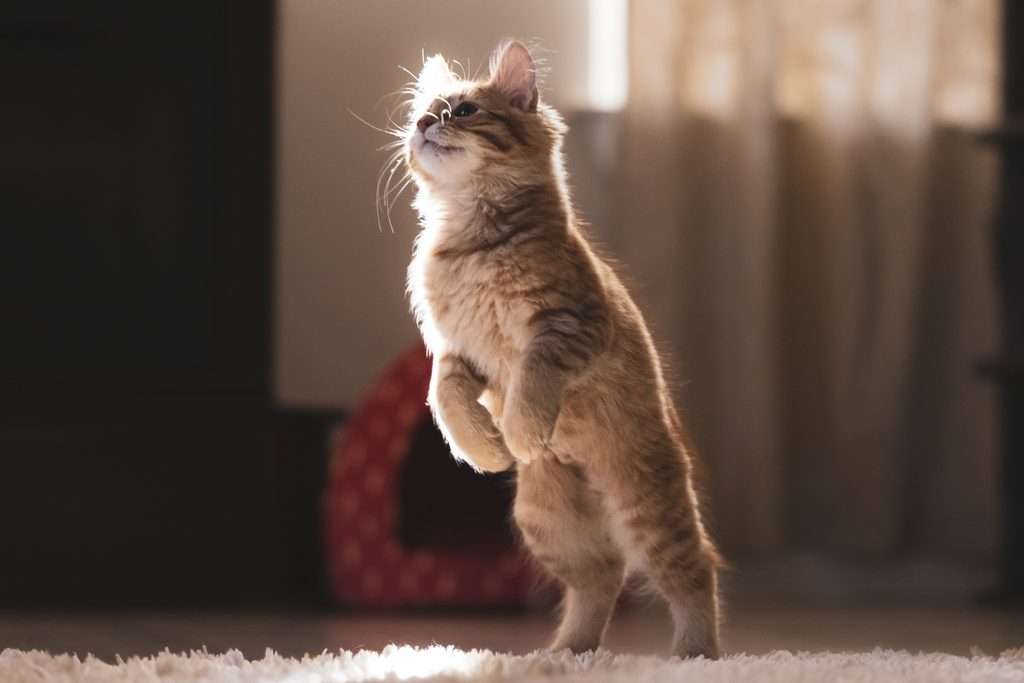
A cat that suddenly pauses before jumping onto a favorite sofa, bed, windowsill, or cat tree may be communicating something important. Even if the surface is familiar and your cat has used it hundreds of times, hesitation can indicate discomfort, reduced physical ability, uncertainty, or a change in confidence.
Cats are naturally agile animals, so changes in their jumping habits deserve attention. Although an occasional pause may be harmless, repeatedly hesitating before jumping onto familiar surfaces can be an early sign of joint pain, muscle weakness, or an underlying health problem.
Understanding why this happens can help you recognize subtle changes in your cat’s mobility, identify potential warning signs, and make everyday movements more comfortable.
1. Physical Discomfort May Make Familiar Jumps Difficult
One of the most important explanations for hesitation is physical discomfort. Jumping requires coordination between the back legs, shoulders, spine, and supporting muscles. If any of these areas are painful or weak, a movement that once felt effortless may become uncomfortable.
How Joint Pain and Arthritis Affect Jumping
Osteoarthritis in cats is a progressive joint condition that can make ordinary movements increasingly difficult. It occurs when the protective cartilage within joints deteriorates, contributing to inflammation, stiffness, and discomfort.
A cat experiencing joint pain may approach a familiar surface, look at it, adjust its paws, and pause before deciding whether to jump. Sometimes, it may attempt a smaller jump or search for an alternative route.
Other possible signs of joint discomfort include:
- Taking longer to stand up after sleeping.
- Avoiding stairs or elevated resting places.
- Jumping onto lower surfaces instead of higher ones.
- Moving more slowly after periods of rest.
- Showing less interest in climbing or playing.
- Becoming uncomfortable when certain body areas are touched.
Importantly, cats do not always limp when they experience arthritis. Some gradually change their routines to avoid movements that cause discomfort.
According to the Cornell Feline Health Center, changes in mobility, grooming, and everyday behavior can be indicators of joint disease.
This is why hesitation should not automatically be dismissed as a normal part of aging.
2. Fear, Uncertainty, and Changes in Physical Confidence
Not every hesitation before jumping is caused by pain. Some cats pause because they feel uncertain about the landing area, have experienced an unpleasant fall, or are temporarily less confident in their physical abilities.
Why Your Cat May Suddenly Feel Unsure About Jumping
Cats rely heavily on their ability to judge distances, assess surfaces, and coordinate their movements. A small change in their surroundings or physical condition can influence how confidently they approach a familiar jump.
Several factors may explain this behavior.
1. A previous unsuccessful jump: If your cat has slipped, missed a landing, or fallen from furniture, it may become more cautious about repeating the movement. Even when the surface is familiar, the previous experience can influence its confidence.
2. Slippery or unstable surfaces: Cats need sufficient grip when pushing off and landing. Polished furniture, slippery flooring, loose blankets, and unstable cushions can make jumping feel less secure.
Your cat may hesitate because it cannot establish a comfortable position for taking off.
“Some people say that cats are sneaky, evil, and cruel. True, and they have at least the other human qualities.”
Alphonse Karr
3. Changes in vision or depth perception: Vision plays an important role in judging distances. Age-related eye changes and certain eye conditions may affect how accurately a cat evaluates the height or position of a surface.
A cat that previously jumped confidently may begin taking extra time to assess its surroundings.
4. Reduced muscle strength: Muscle loss can affect jumping ability, particularly in older cats or those with reduced activity. Even without obvious joint pain, weaker muscles may make powerful movements more difficult.
5. Temporary environmental distractions: Unexpected noises, moving objects, unfamiliar smells, or another pet occupying the landing area can interrupt a cat’s concentration.
However, if hesitation happens repeatedly in an otherwise familiar environment, it is worth investigating rather than assuming your cat is simply being cautious.
3. Warning Signs That Your Cat’s Jumping Hesitation Needs Attention
The most useful way to understand this behavior is to look beyond the moment your cat pauses. Changes in walking, resting, grooming, and daily routines can provide additional clues about its physical condition.
Behavioral and Physical Changes to Watch For
Pay attention to whether your cat displays any of the following patterns:
- Repeatedly approaching and abandoning jumps: Your cat walks toward a sofa or bed but turns away without attempting to jump.
- Choosing lower resting places: It begins sleeping on the floor or lower furniture instead of its usual elevated spots.
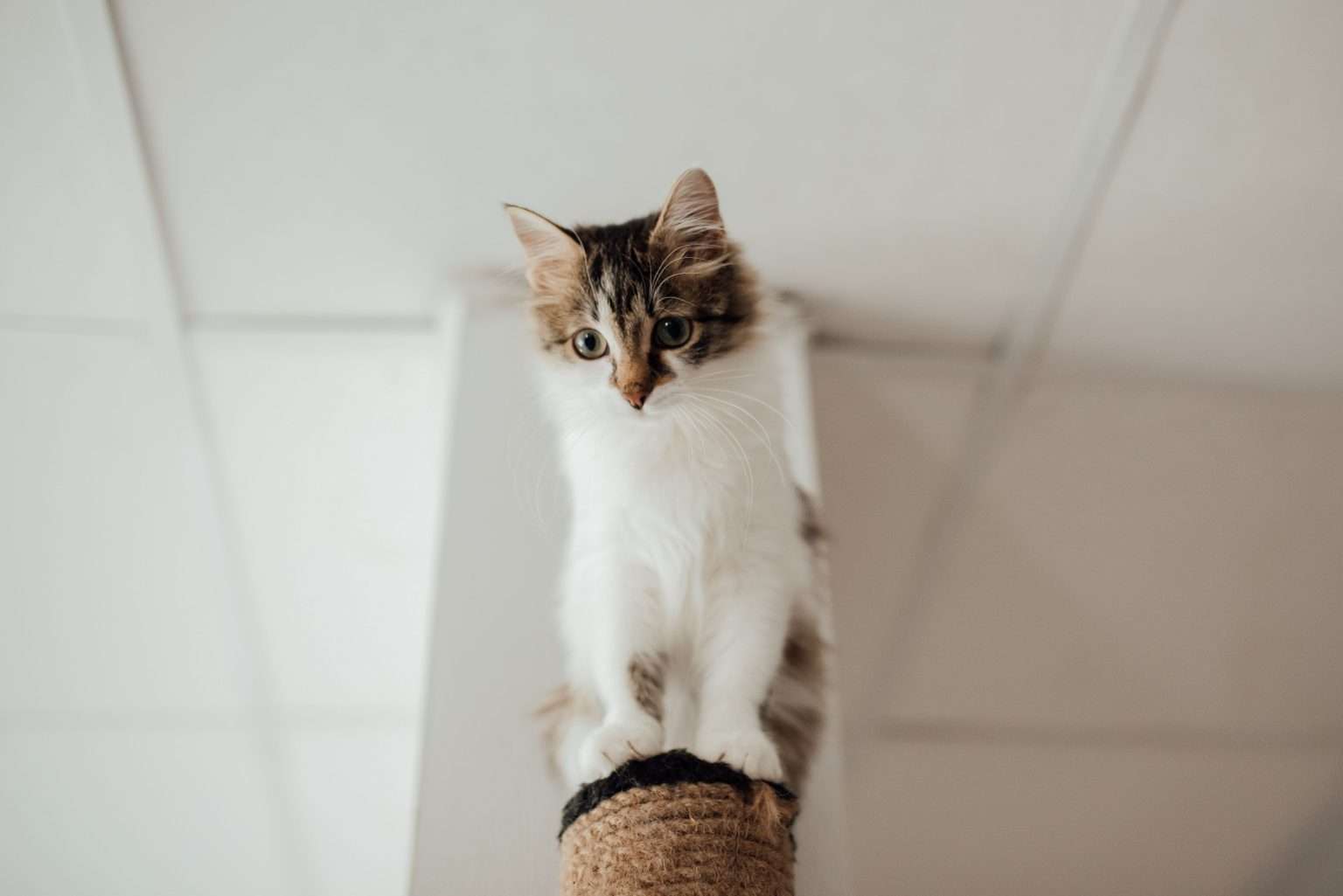
- Using furniture as an intermediate step: Rather than jumping directly onto a familiar surface, it climbs onto a nearby chair or table first.
- Landing awkwardly: Your cat struggles to coordinate its back legs or appears uncomfortable after landing.
- Reduced playfulness: Activities involving climbing, chasing, and jumping become less appealing.
- Changes in grooming: Your cat spends less time cleaning areas that require bending or stretching.
- Increased irritability: It reacts negatively when touched, picked up, or moved.
- Changes in litter box habits: It struggles to enter the litter box or avoids one that requires climbing.
These observations are particularly important because cats often conceal discomfort. The American Association of Feline Practitioners and American Animal Hospital Association senior care guidelines explain that reduced jumping and climbing can be early manifestations of degenerative joint disease or muscle weakness.

When should you contact a veterinarian?
Arrange a veterinary examination if your cat repeatedly hesitates before jumping, especially when this represents a noticeable change from its normal behavior.
A veterinarian may assess:
- Joint movement and possible tenderness.
- Muscle condition and limb strength.
- Walking posture and coordination.
- Paw pads, claws, and possible injuries.
- Vision and neurological function when indicated.
Depending on the findings, additional investigations, including X-rays or other diagnostic tests, may be recommended.
Important: Sudden inability to jump, severe pain, collapse, or an inability to use one or both hind legs requires immediate veterinary attention. In particular, sudden painful weakness or paralysis of the hind legs can indicate an arterial blood clot, which is an emergency.
Never give your cat human painkillers such as ibuprofen or paracetamol (acetaminophen). These medications can be extremely dangerous to cats.
4. How to Help Your Cat Jump More Comfortably and Safely
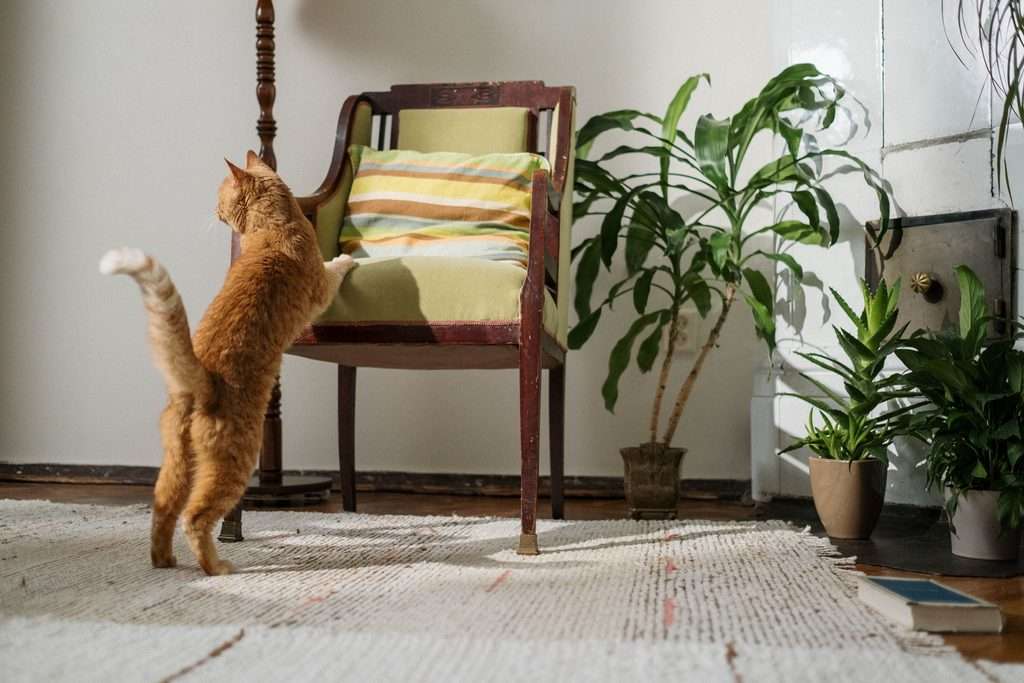
If your cat is hesitating before jumping, the goal should not be to encourage it to jump more often. Instead, make its surroundings easier to navigate while identifying and addressing the underlying cause.
Practical Ways to Improve Your Cat’s Mobility at Home
Small environmental adjustments can make a meaningful difference, especially for cats experiencing age-related stiffness or reduced mobility.
1. Install Pet Steps or Ramps
Place stable pet stairs or a properly secured ramp beside your cat’s favorite sofa, bed, or windowsill.
Choose products with:
- Wide, stable steps.
- Non-slip surfaces.
- A gentle incline.
- A secure base that does not move during use.
These additions allow your cat to reach familiar resting places without requiring one large jump.
2. Improve Grip Around Favorite Jumping Areas
If your furniture has slippery surfaces, consider adding non-slip mats or securely positioned rugs.
Avoid loose materials that slide when your cat pushes off or lands. Stability is more important than appearance.
3. Create Comfortable Resting Places at Lower Heights
Your cat should have comfortable alternatives that do not require climbing.
Consider placing a soft bed near a familiar window or in a quiet room where your cat already enjoys spending time.
4. Keep Essential Resources Accessible
Place food, water, and litter boxes where your cat can reach them without climbing stairs or jumping over obstacles.
For older cats, a litter box with a low entrance may also make daily use easier.
5. Maintain a Healthy Body Weight
Excess body weight increases the physical demands of movement and can make mobility problems more difficult to manage.
Provide measured meals, appropriate nutrition, and regular low-impact play. If your cat needs to lose weight, ask your veterinarian to establish a safe weight-management plan.
6. Encourage Movement Without Forcing It
Use interactive toys to encourage gentle walking and natural movement.
Allow your cat to choose its own pace. Avoid repeatedly placing it on elevated furniture or making it jump to demonstrate whether it can still perform the movement.
7. Monitor Changes Over Time
Keep a simple record of your cat’s jumping behavior. Note which surfaces cause hesitation, whether the problem is getting worse, and whether it occurs after sleeping or physical activity.
Short videos recorded at home can also help your veterinarian understand movements that may not happen during a clinic examination.
If arthritis or another painful condition is diagnosed, treatment may involve veterinary-prescribed pain management, weight control, rehabilitation, and environmental adjustments. The appropriate approach depends on the individual cat.
For additional background on age-related nutritional needs, see our Senior Cat Food & Nutrition Guide.
Conclusion
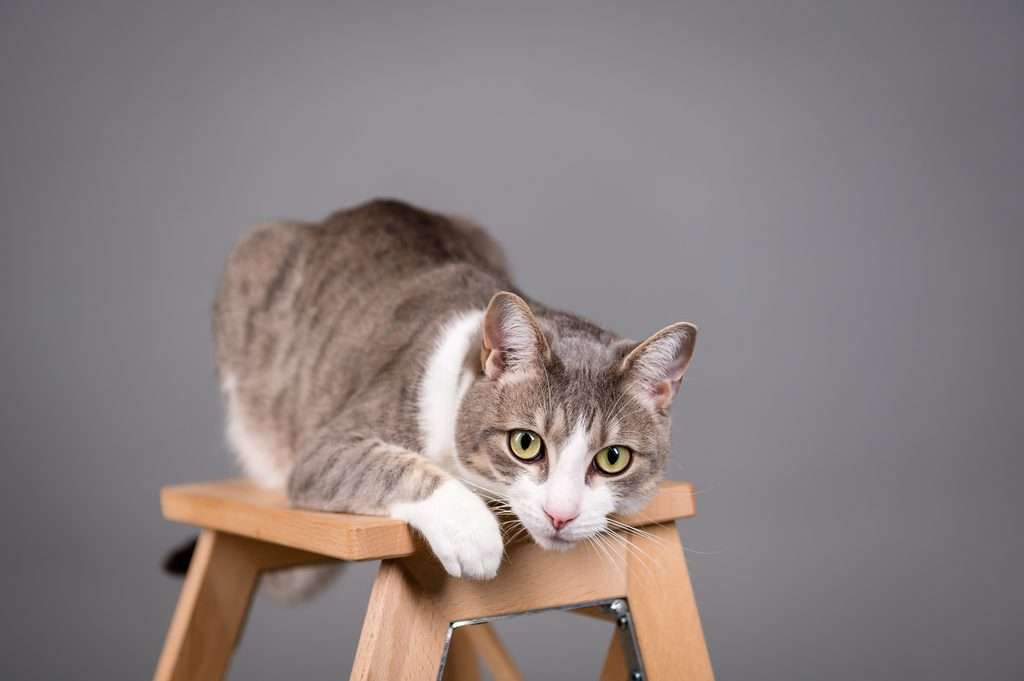
A cat that hesitates before jumping onto familiar surfaces may be experiencing more than a temporary loss of confidence. Joint discomfort, arthritis, muscle weakness, vision changes, and environmental insecurity can all influence jumping behavior.
The most important clue is a change from your cat’s normal routine. Observe its movements, look for additional signs of discomfort, and arrange a veterinary examination if hesitation becomes frequent or persistent.
With early attention, suitable veterinary care, and a more accessible home environment, many cats can continue enjoying their favorite resting places with greater comfort and confidence.
Frequently Asked Questions
1. Why Does My Cat Look at the Sofa Before Jumping?
Your cat may be assessing the distance, checking the landing surface, or preparing its body for the movement. If this hesitation is new or happens repeatedly, physical discomfort or reduced confidence may be involved.
2. Is It Normal for Older Cats to Hesitate Before Jumping?
Older cats may become less agile because of reduced muscle strength or joint changes. However, repeated hesitation should not automatically be considered normal aging. A veterinary examination can identify treatable causes of reduced mobility.
3. Can Arthritis Make a Cat Afraid to Jump?
Yes. Arthritis can make jumping uncomfortable, causing a cat to associate certain movements with pain. Over time, it may avoid jumping or choose easier routes to reach familiar places.
4. Should I Help My Cat Onto the Bed?
You can provide pet stairs, ramps, or a lower resting area. Avoid lifting your cat unnecessarily, particularly if it shows signs of pain when handled. Ask your veterinarian how to support it safely.
5. When Is Jumping Hesitation an Emergency?
Seek immediate veterinary attention if your cat suddenly cannot stand or jump, experiences severe pain, collapses, or develops sudden weakness or paralysis in its hind legs.
References and Further Reading
- 1. Cornell Feline Health Center: Is Your Cat Slowing Down? – Recognizing mobility changes and joint disease in cats. vet.cornell.edu
- 2. AAHA/AAFP: 2021 Feline Life Stage Guidelines – Senior cat mobility, muscle weakness, and degenerative joint disease. PubMed Central (PMC)
- 3. VCA Animal Hospitals: Arthritis in Cats – Symptoms, diagnosis, and management of feline arthritis. VCA Animal Hospitals
- 4. American College of Veterinary Surgeons: Osteoarthritis in Cats – Clinical signs and available treatment approaches. American College of Veterinary Surgeons
- 5. FDA: Osteoarthritis in Cats: More Common Than You Think – Understanding the subtle signs of feline osteoarthritis