
Subtle Changes in Your Cat’s Daily Habits That May Signal a Health Problem
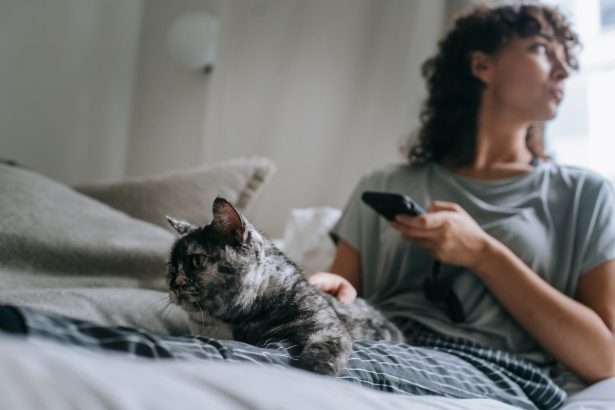
Cats are naturally creatures of habit. They often follow familiar routines when eating, sleeping, grooming, playing, and interacting with their owners. Because of this consistency, even a small change in a cat’s daily behavior can sometimes reveal that something is wrong.
Unlike humans, cats cannot explain when they feel uncomfortable or experience pain. Instead, they may communicate through changes in their normal activities. A cat that suddenly spends more time hiding, drinks more water, stops jumping onto furniture, or becomes less interested in food may be experiencing an underlying health problem.
The challenge is that these changes are not always dramatic. Some develop gradually, making them easy for owners to overlook.
Understanding your cat’s normal routine is therefore an important part of responsible pet ownership. This guide explores several subtle changes in daily habits that may signal a health problem and explains when veterinary attention is necessary.

1. Changes in Eating, Drinking, and Sleeping Habits
When ordinary routines begin to change
One of the easiest ways to monitor a cat’s health is to observe its eating and drinking habits. Changes in these activities can sometimes appear before other physical symptoms become noticeable.
Eating less or becoming unusually selective
If your cat normally finishes its meals but suddenly starts leaving food behind, something may be affecting its appetite.
Possible explanations include dental pain, digestive problems, infections, stress, or other medical conditions. Some cats with dental discomfort may approach their food enthusiastically but then chew slowly, drop pieces, or walk away.
An unexplained increase in appetite can also deserve attention, particularly when accompanied by weight loss. Conditions such as hyperthyroidism and diabetes may affect appetite and metabolism.
According to Cornell University College of Veterinary Medicine, prolonged loss of appetite can have serious consequences for cats. If an adult cat has not eaten properly for approximately 24 hours, prompt veterinary attention is important.

Drinking more or less water than usual
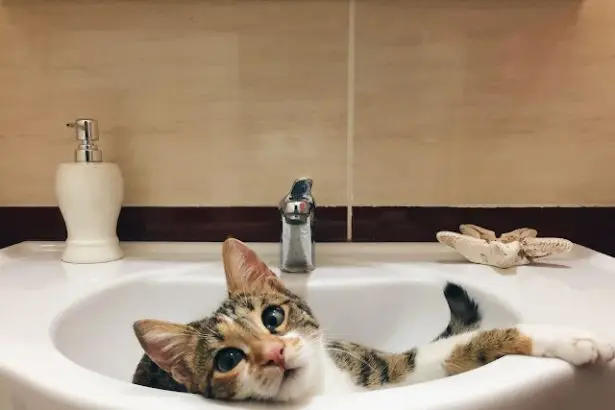
A noticeable change in water consumption should never be ignored. Excessive thirst may be associated with kidney disease, diabetes, or hyperthyroidism.
On the other hand, reduced drinking can contribute to dehydration, particularly when accompanied by poor appetite, vomiting, or diarrhea.
A practical way to notice changes is to observe how frequently you refill your cat’s water bowl. In households with multiple cats, separate drinking stations can help owners identify individual drinking patterns.
Sleeping differently
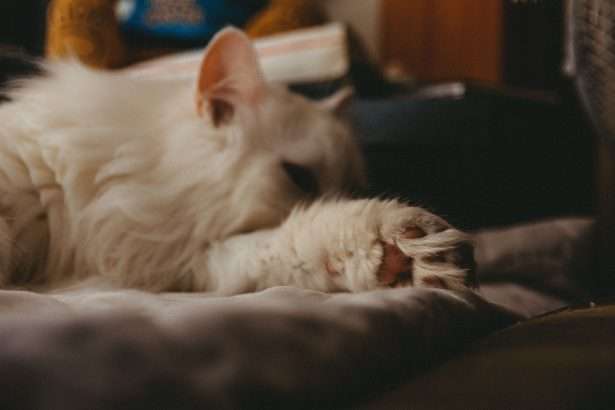
Cats naturally spend many hours sleeping, but changes in their usual sleeping pattern can be more important than the total number of hours.
For example, a normally active cat that suddenly sleeps throughout the day, avoids familiar resting places, or appears uncomfortable when settling down may be experiencing pain or illness.
Pay attention to changes in sleeping location, posture, and willingness to interact after waking up.
2. Unusual Changes in Grooming and Litter Box Habits
Small physical changes that deserve attention
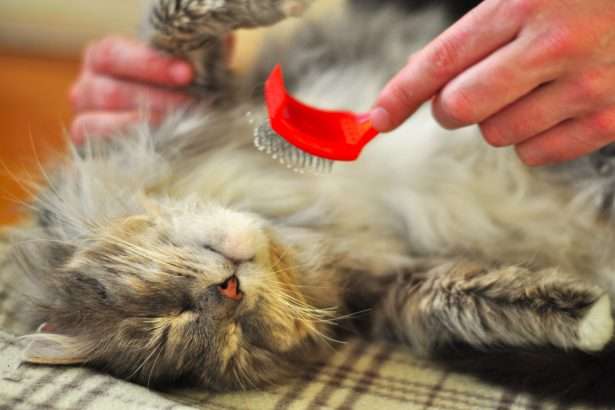
Cats are naturally clean animals, and grooming is an important part of their everyday routine. However, both excessive grooming and reduced grooming can provide useful clues about their physical and emotional condition.
Neglecting personal grooming
A cat that previously maintained a clean, smooth coat but suddenly develops tangled fur, greasy patches, or an untidy appearance may not be feeling well.
Reduced grooming can be associated with:
- Joint pain or arthritis that makes reaching certain body areas difficult.
- Dental problems that make normal grooming uncomfortable.
- Obesity, which limits flexibility.
- General weakness or underlying illness.
Older cats deserve particular attention because mobility problems can gradually interfere with their ability to maintain their coats.
Licking one area excessively
The opposite behavior can also be concerning. Repeated licking of the abdomen, legs, or another specific area may indicate skin irritation, parasites, allergies, pain, or stress.
In some cases, excessive grooming causes visible hair loss, irritated skin, or small bald patches.
Cornell University’s guide to excessive cat grooming explains why persistent licking should not automatically be considered normal cleaning behavior.
Changes in litter box behavior
Your cat’s litter box habits can reveal important information about its urinary and digestive health.
Watch for changes such as:
- Visiting the litter box more frequently.
- Producing unusually small or large amounts of urine.
- Straining or crying while urinating.
- Developing constipation or persistent diarrhea.
- Suddenly urinating or defecating outside the litter box.
These changes may be associated with urinary tract disorders, constipation, digestive problems, diabetes, or other conditions.
One particularly dangerous warning sign is repeated attempts to urinate with little or no urine coming out. This may indicate a urinary blockage, especially in male cats, and requires immediate emergency veterinary care.
Never assume that a cat avoiding its litter box is simply misbehaving. Physical discomfort should be investigated before treating the issue as a behavioral problem.

3. Changes in Movement, Social Interaction, and Vocalization
Understanding what your cat’s behavior is communicating
A cat’s personality and social habits can change for several reasons, but sudden or persistent differences may indicate discomfort or illness.
Becoming more withdrawn or unusually clingy
Some cats naturally enjoy spending time alone, while others constantly seek attention from their owners. What matters is recognizing a noticeable difference from their normal personality.
A friendly cat that suddenly hides under furniture, avoids family members, or refuses to participate in familiar activities may be experiencing pain, fear, or physical discomfort.
Similarly, a normally independent cat that suddenly follows its owner everywhere or repeatedly seeks physical contact may be responding to a change in how it feels.
The Veterinary Clinics of North America research on behavioral changes as indicators of illness highlights how changes in social interaction, hiding, and aggression can provide important information about feline physical and emotional health.
Avoiding jumps or familiar movements
One subtle sign that owners frequently overlook is a cat gradually changing the way it moves around the home.
For example, a cat that previously jumped onto the kitchen counter may begin using nearby chairs or lower surfaces instead.
Other possible signs include:
- Hesitating before climbing stairs.
- Walking more slowly than usual.
- Avoiding high resting places.
- Having difficulty entering the litter box.
- Reacting negatively when certain body areas are touched.
These behaviors may be associated with joint pain, arthritis, injuries, or other mobility problems.
Rather than assuming your cat is becoming lazy with age, consider whether physical discomfort is limiting its movements.
Changes in meowing and vocalization
Cats communicate through different sounds, and owners often become familiar with their individual vocal patterns.
A normally quiet cat that begins meowing frequently, particularly during the night, may be experiencing discomfort, anxiety, sensory changes, or an underlying medical condition.
Likewise, a cat that suddenly becomes unusually quiet may be feeling unwell.
According to the AAHA/AAFP Feline Life Stage Guidelines, changes in nighttime activity and vocalization can be particularly relevant when assessing older cats.
4. How to Monitor Daily Habits and Recognize Warning Signs Early
Building a simple health-monitoring routine
Recognizing subtle changes becomes much easier when you understand what is normal for your cat. Instead of waiting for obvious symptoms, develop a simple routine that helps you notice differences early.
Keep a record of everyday activities
You do not need complicated equipment or veterinary knowledge to monitor your cat. A small daily record can be extremely useful.
Consider recording:
- How much food your cat normally eats.
- Changes in water consumption.
- Frequency and appearance of urine and stool.
- Activity levels and sleeping patterns.
- Grooming habits and coat condition.
- Changes in social behavior or vocalization.
Taking occasional photographs can also help you compare your cat’s appearance and body condition over time.
Look for patterns rather than isolated incidents
A single missed nap or an unusually quiet afternoon does not necessarily mean your cat is sick. Environmental changes, visitors, temperature, and household noise can temporarily affect feline behavior.
However, repeated changes, several unusual behaviors appearing together, or a noticeable decline from the normal routine deserve closer attention.
For example, increased thirst combined with weight loss and frequent urination is more concerning than simply drinking a little more water on a warm day.
Know when to contact a veterinarian
Do not wait for several symptoms to appear before seeking professional advice. Contact a veterinarian if you notice persistent appetite changes, unexplained weight loss, unusual thirst, repeated vomiting, abnormal litter box habits, or changes in movement.
Certain situations require immediate attention, including:
- Repeated attempts to urinate without producing urine.
- Difficulty breathing or open-mouth breathing.
- Collapse, seizures, or severe weakness.
- Suspected poisoning.
- Sudden inability to walk normally.
Early veterinary assessment can help identify the cause and prevent some conditions from becoming more serious.
Editorial note for Cat CareHub: This article provides general educational information and does not replace a veterinary examination or professional diagnosis.
References and Scientific Sources: The following veterinary and scientific resources support the information presented in this article
- Cornell University – Recognizing and Understanding Anorexia in Cats.
- Cornell University – Cats That Lick Too Much.
- AAHA/AAFP – 2021 Feline Life Stage Guidelines.
- Journal of Feline Medicine and Surgery – Behavioral Awareness in the Feline Consultation.
- VCA Animal Hospitals – Recognizing Signs of Illness in Cats.