What Does It Mean When Your Cat’s Paws Become Unusually Dry or Rough?
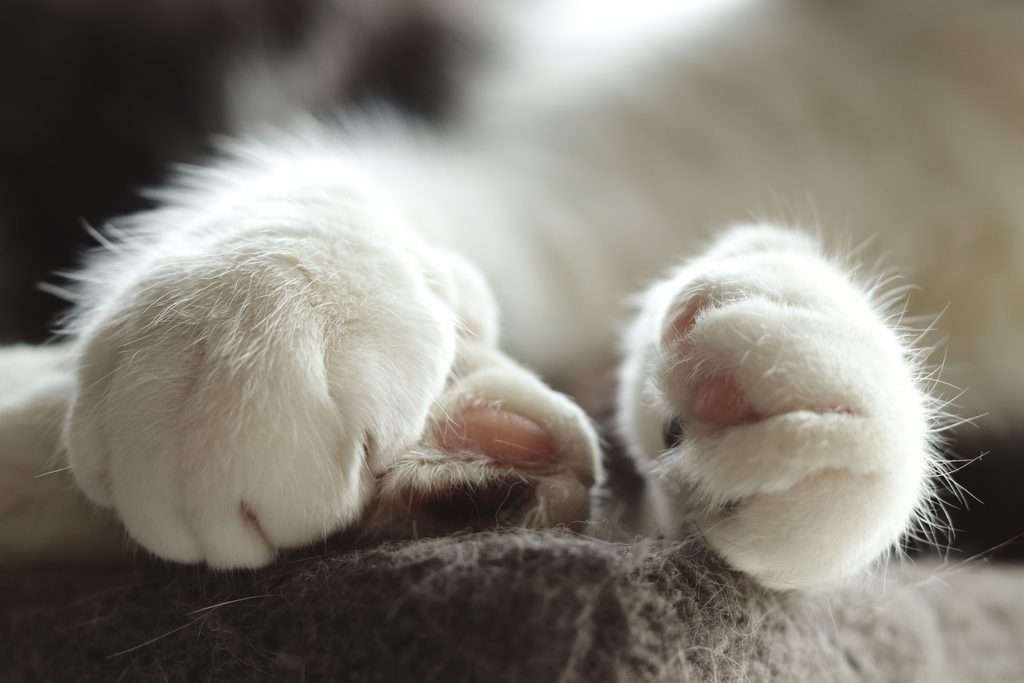
A cat’s paws do much more than help them walk. They provide cushioning when jumping, improve grip on different surfaces, and help cats explore their surroundings. Their paw pads are naturally firm and slightly textured, but they should generally remain flexible and comfortable.
- 1. Why Do Cats Develop Dry or Rough Paw Pads?
- 2. Could Dry Cat Paws Indicate an Underlying Health Problem?
- Hyperkeratosis and Excessive Skin Thickening
- Allergies and Skin Irritation
- Feline Plasma Cell Pododermatitis (Pillow Foot)
- 3. How to Care for Your Cat’s Dry and Rough Paws Safely
- Clean and Inspect the Paw Pads Regularly
- Choose Moisturizing Products Carefully
- Improve Your Cat’s Indoor Environment
- 4. When Should You Take Your Cat to the Veterinarian?
- Final Thoughts
So, what does it mean when your cat’s paws suddenly become unusually dry, rough, flaky, or cracked?
In many cases, dry cat paws are related to environmental conditions, surface irritation, or everyday wear. However, persistent changes in the paw pads can sometimes indicate an underlying skin problem that deserves veterinary attention.
Understanding the possible causes can help you recognize when simple paw care is enough and when your cat needs professional treatment.
1. Why Do Cats Develop Dry or Rough Paw Pads?
Not every rough paw pad indicates a medical problem. A cat’s feet are exposed to different surfaces, temperatures, and environmental substances throughout the day. Several factors can affect their condition.
Environmental Changes and Everyday Exposure
Dry indoor air is one possible reason for rough paw pads, particularly during colder months when heating systems reduce indoor humidity.
Cats that regularly walk on rough flooring, concrete, or abrasive outdoor surfaces may also experience gradual changes in the outer layer of their paw pads.
Other possible environmental causes include:
- Hot surfaces: Walking on overheated pavement or other hot materials can irritate or burn sensitive paw pads.
- Cold weather: Low temperatures, dry air, and contact with ice or road salt may contribute to irritation.
- Household chemicals: Cleaning products, detergents, and disinfectants can irritate the skin when cats walk across recently treated surfaces.
- Rough terrain: Repeated contact with abrasive surfaces may contribute to minor wear and dryness.
According to Hill’s Pet Nutrition, regular paw inspections and protection from extreme temperatures and harmful substances are important parts of feline paw care.
2. Could Dry Cat Paws Indicate an Underlying Health Problem?
Environmental factors are not the only explanation. Sometimes, changes in the texture or appearance of a cat’s paw pads are associated with dermatological conditions.
Hyperkeratosis and Excessive Skin Thickening
Hyperkeratosis occurs when excessive keratin accumulates in the outer layer of the skin. Keratin is a natural protein that helps protect the skin.
When this happens, paw pads may become unusually thick, hard, rough, or callus-like. Some cats experience no discomfort, while others may develop cracks or irritation.
A veterinarian can determine whether the thickening is harmless or associated with another condition.
Allergies and Skin Irritation
Cats can develop allergic reactions or sensitivities to substances in their environment. Certain cleaning products, litter materials, and other irritants may trigger skin inflammation.
Possible warning signs include:
- Repeated licking or chewing of the paws.
- Redness between the toes.
- Flaky or irritated skin.
- Excessive grooming.
- Discomfort when walking.
If these symptoms continue, a veterinary examination can help identify the underlying trigger.
Feline Plasma Cell Pododermatitis (Pillow Foot)
One uncommon condition worth understanding is feline plasma cell pododermatitis, often called pillow foot.
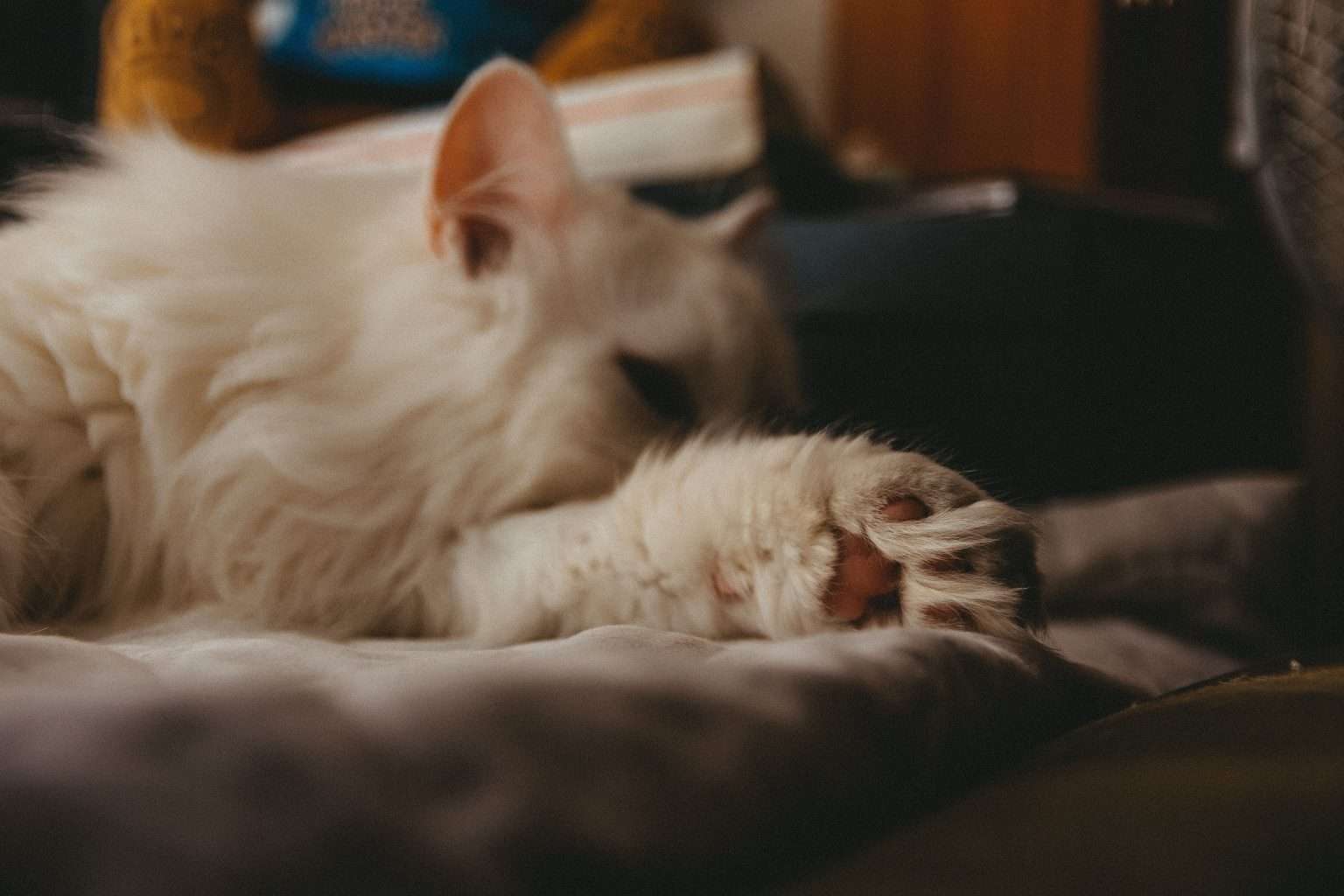
It is an inflammatory disorder that affects the paw pads and can cause them to become unusually swollen, soft, and sometimes purplish. As the condition progresses, affected pads may develop scaling, ulcers, or bleeding.
Unlike ordinary dryness, pillow foot often involves noticeable swelling and changes in the structure of the pads.
Research published in the Canadian Veterinary Journal describes this uncommon condition and its characteristic effects on feline paw pads.
This condition requires veterinary assessment rather than ordinary moisturizing treatments.
3. How to Care for Your Cat’s Dry and Rough Paws Safely
If your cat has mild dryness without swelling, bleeding, or signs of pain, a few adjustments to their daily environment may help protect their paw pads.
The important thing is to avoid treating every rough patch with creams or oils before understanding its cause.
Clean and Inspect the Paw Pads Regularly
Make paw inspections part of your normal grooming routine.
Gently examine each paw, including the spaces between the toes. Look for small cuts, foreign objects, redness, peeling skin, or unusual swelling.
If your cat has walked through dirt or potentially irritating substances, gently wipe the paws with a clean, slightly damp cloth. Dry them carefully afterward.
The ASPCA cat grooming guidelines also recommend checking paws for injuries, swelling, and unusual odors.
Choose Moisturizing Products Carefully
If dryness is mild, ask your veterinarian whether a cat-safe paw moisturizer is appropriate.
Products should be specifically suitable for cats because they frequently lick their paws while grooming. This means that anything applied to their feet may eventually be swallowed.
Avoid using ordinary human hand creams, medicated ointments, or essential-oil products without veterinary approval. Some ingredients can be harmful to cats when ingested.
Never peel away dry skin, cut thickened paw tissue, or attempt to remove cracks yourself.
Improve Your Cat’s Indoor Environment
A comfortable indoor environment can reduce unnecessary irritation.
Consider these simple measures:
- Keep floors free from cleaning-product residues.
- Allow cleaned surfaces to dry completely before your cat walks on them.
- Provide comfortable resting areas away from excessive heat.
- Avoid exposing your cat to extremely hot pavement or rough outdoor surfaces.
- Consider a humidifier if indoor air becomes particularly dry.
These small changes can help reduce repeated exposure to potential irritants.
4. When Should You Take Your Cat to the Veterinarian?
Mild dryness without other symptoms is not always an emergency. However, certain changes should never be ignored.
Contact your veterinarian if you notice:
- Deep cracks or bleeding paw pads.
- Swelling, redness, or visible inflammation.
- Pus, discharge, or an unpleasant smell.
- Persistent licking, biting, or chewing of the feet.
- Difficulty walking or noticeable limping.
- Sudden discoloration or unusual changes in paw-pad texture.
- Dryness that continues to worsen despite appropriate environmental care.
Sudden injuries, burns, chemical exposure, and severe pain require prompt veterinary attention.
According to VCA Animal Hospitals, damaged paw pads can result from cuts, punctures, or burns, and some injuries need professional treatment to prevent further complications.
Remember that a cat may hide discomfort. Changes in walking, jumping, or grooming behavior can sometimes reveal a paw problem before the injury becomes obvious.
Final Thoughts
When your cat’s paws become unusually dry or rough, the cause may be something relatively simple, such as dry indoor air, surface irritation, or everyday wear. In other cases, persistent thickening, inflammation, or swelling may indicate a skin condition that requires veterinary attention.
The best approach is to inspect your cat’s paws regularly, maintain a clean and comfortable environment, and avoid applying products that have not been approved for feline use.
Healthy paw pads help cats move, climb, jump, and explore comfortably. Paying attention to small changes in their condition is an important part of keeping your feline companion healthy and active.
A little attention to your cat’s paws today can help prevent bigger problems tomorrow.
- References and Scientific Sources
- Hill’s Pet Nutrition: How to Care for Your Cat’s Paw Pads .
- ASPCA: Cat Grooming Tips .
- Canadian Veterinary Journal: Feline Plasma Cell Pododermatitis .
- VCA Animal Hospitals: First Aid for Torn or Injured Foot Pads in Cats .