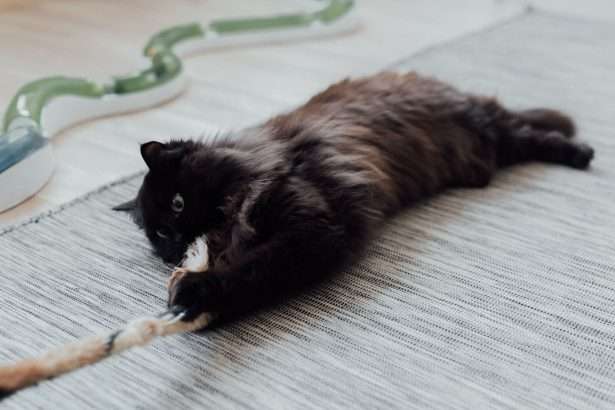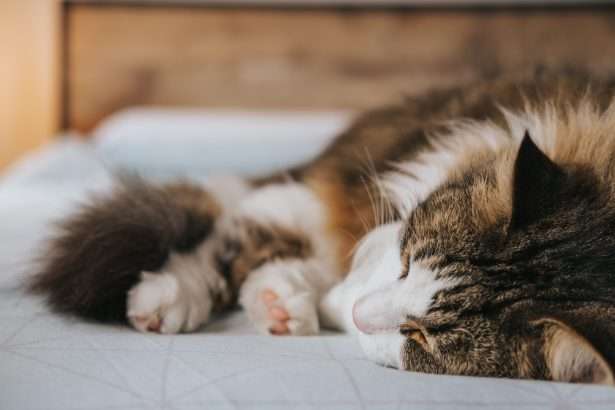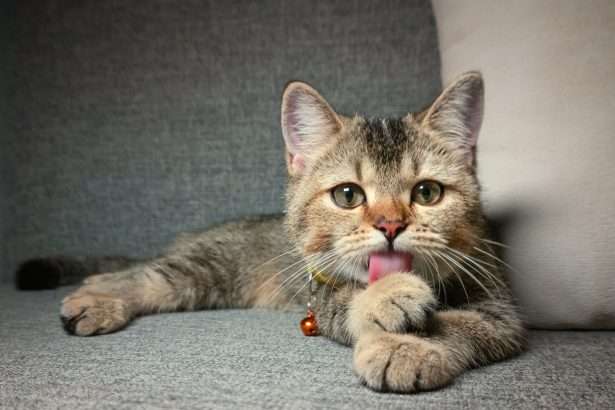

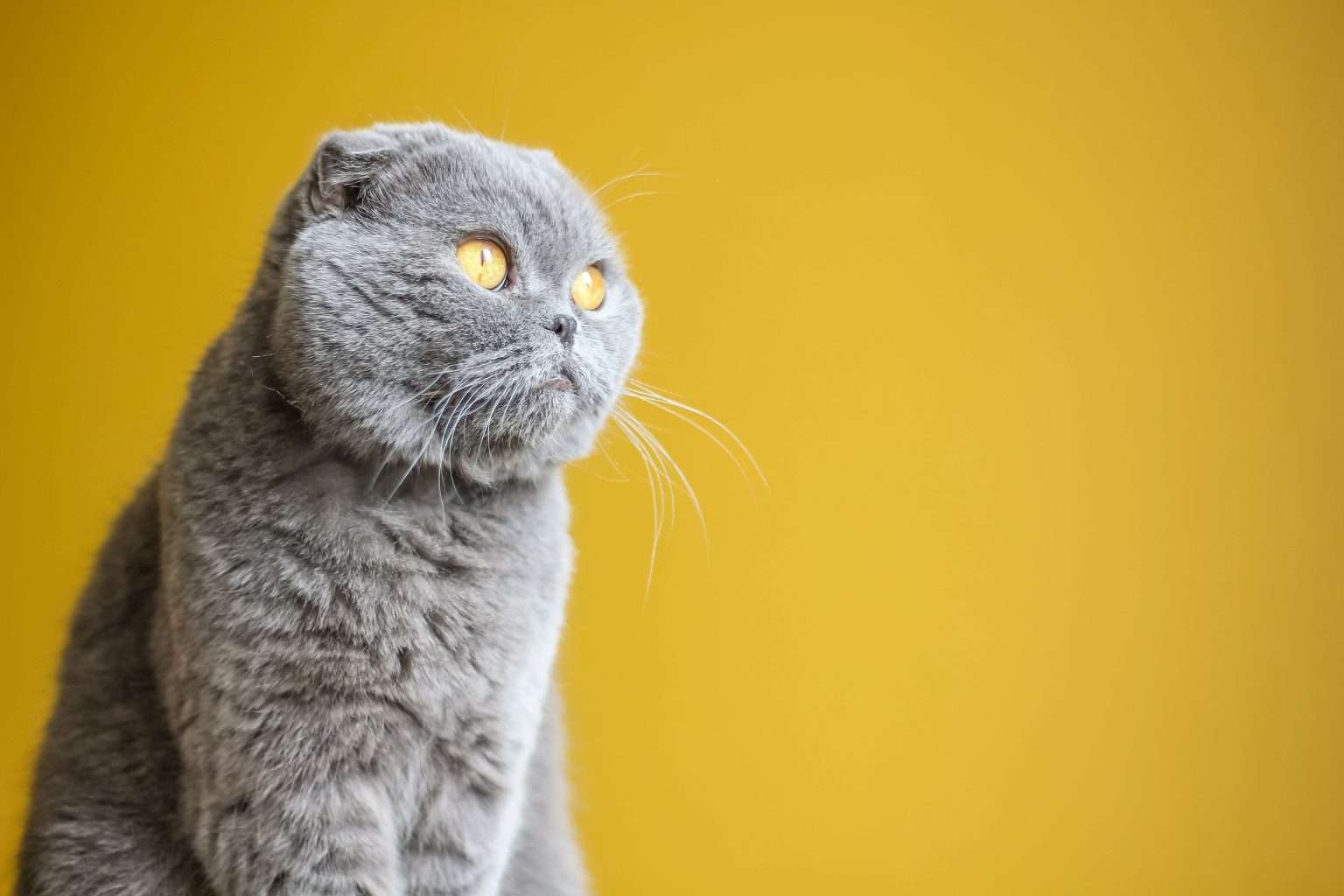
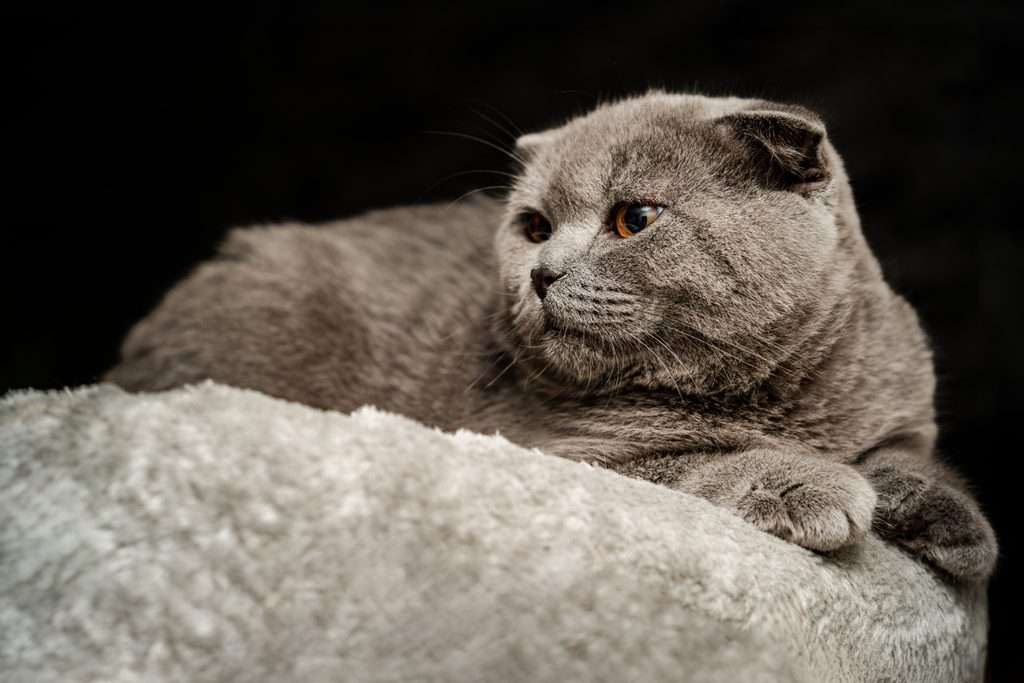
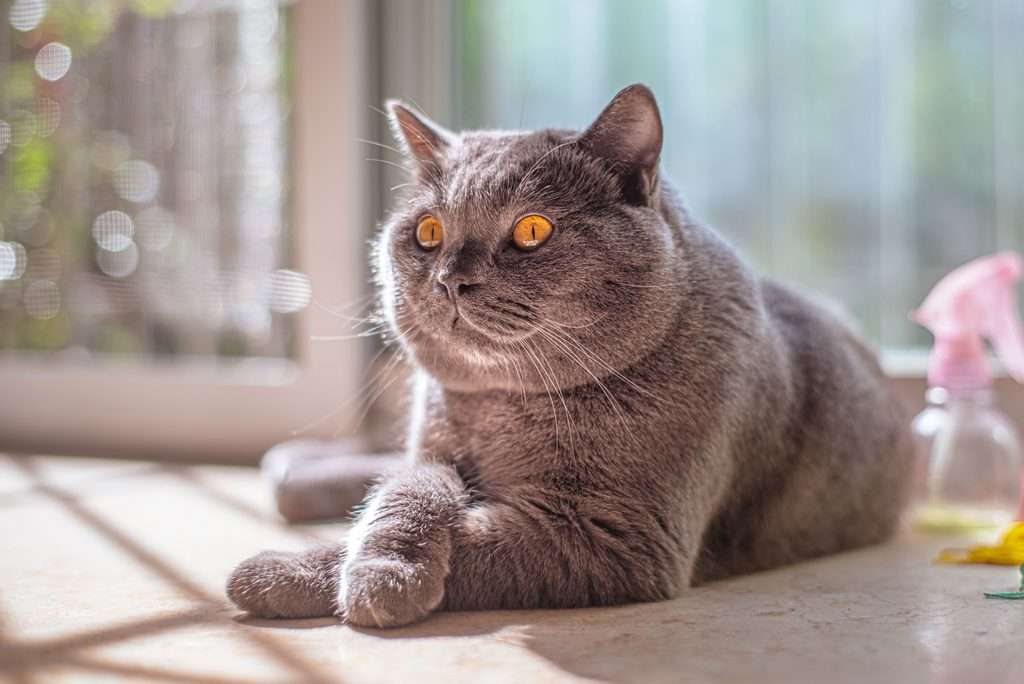
Both breeds are quiet, people-oriented, and visually distinctive. The British Shorthair has a dense plush coat, a broad body, and a calm, independent personality. The Scottish Fold is recognised for its forward-folding ears, round face, and strong interest in family life.
The most important difference is not cosmetic. The folded ears come from a genetic cartilage mutation. That same mutation may affect the joints, tail, and bones. For many households, this makes health and ethical breeding the deciding factor—not simply appearance.
Temperament and Family Life
The British Shorthair is affectionate without usually being demanding. It often prefers sitting beside you rather than on your lap. According to the , British Shorthairs are calm, quiet, and generally comfortable around children and other pets when introductions are respectful.
This breed suits owners who want companionship without constant attention. It can also cope reasonably well with a predictable workday, provided it has safe resting places, daily play, and regular human interaction.
Scottish Folds are typically social, inquisitive, and loyal. TICA notes that many follow their people from room to room and enjoy the company of children and other pets. They may be a good match for a family that wants a more involved, interactive companion.
However, personality varies between individual cats. Early socialisation, responsible breeding, and the home environment can matter as much as the breed label.
Appearance, Grooming, and Activity
British Shorthairs are medium-to-large, sturdy cats with a short, exceptionally dense coat. A weekly brush is usually enough, with extra grooming during seasonal shedding. Their solid build and relatively calm lifestyle can make weight gain easy, so portion control and interactive play are essential.
Scottish Folds may have short or long coats. Short-haired Folds commonly need weekly brushing, while long-haired cats may need more frequent combing. They are often less energetic than highly active breeds, but that does not mean they should be left inactive. Puzzle feeders, wand toys, short training sessions, and climbing areas can help maintain mobility and a healthy body condition.
A useful practical distinction is this: the British Shorthair generally needs motivation to exercise because it enjoys comfort, while the Scottish Fold needs exercise that is engaging but physically considerate.
Health: The Decision You Should Not Skip
British Shorthairs are often described as robust, but no pedigree cat is risk-free. TICA highlights hypertrophic cardiomyopathy (HCM), a form of heart disease, as a concern that breeders should screen for with veterinary echocardiography. Ask for health records, not verbal assurances, and keep up with routine veterinary examinations.
Scottish Fold health requires more careful scrutiny. The explains that one copy of the dominant fold mutation can produce folded ears and may also be associated with misshapen toes, thick or inflexible tails, and progressive osteoarthritis. Cats carrying two copies may face more severe bone and cartilage problems.
Clinical signs can include lameness, a stiff gait, reluctance to jump, or reduced movement. A published veterinary case report describes these features as consequences of progressive joint disease in affected cats. The also lists osteochondrodysplasia as a serious health concern and suggests the British Shorthair as an alternative breed.
This does not mean every Scottish Fold will show the same severity or at the same age. It does mean that prospective owners should discuss the mutation, parentage, veterinary screening, and the breeder’s mating practices before bringing one home. Never force or manipulate a Fold’s tail, and arrange a veterinary assessment promptly if stiffness, pain, or reluctance to move appears.
Which Cat Is Right for You?
Choose a British Shorthair if you want a calm, sturdy companion, prefer a cat that is affectionate but not clingy, and are comfortable managing weight through measured meals and play. It is often the more straightforward choice for families seeking a relaxed indoor cat.
Consider a Scottish Fold only after a thorough welfare-focused health discussion. Its friendly nature may suit an attentive household, but the ear mutation carries an important joint and cartilage concern. If you love the Scottish look and temperament, ask whether a healthy straight-eared Scottish Straight is available, and still request complete veterinary and genetic documentation.
Final Verdict
For most people comparing the two, the British Shorthair is the safer all-round recommendation: calm, sociable, relatively easy to groom, and free from the specific cartilage mutation that creates the Scottish Fold’s signature ears. The right cat is ultimately the individual whose health, temperament, and needs fit your home—not the one with the most unusual appearance.
References
[1] Cat Fanciers’ Association: British Shorthair
[2] The International Cat Association: Scottish Fold
[3] The International Cat Association: British Shorthair
[4] UC Davis Veterinary Genetics Laboratory: Scottish Fold
[5] Scottish Fold osteochondrodysplasia: veterinary case report