

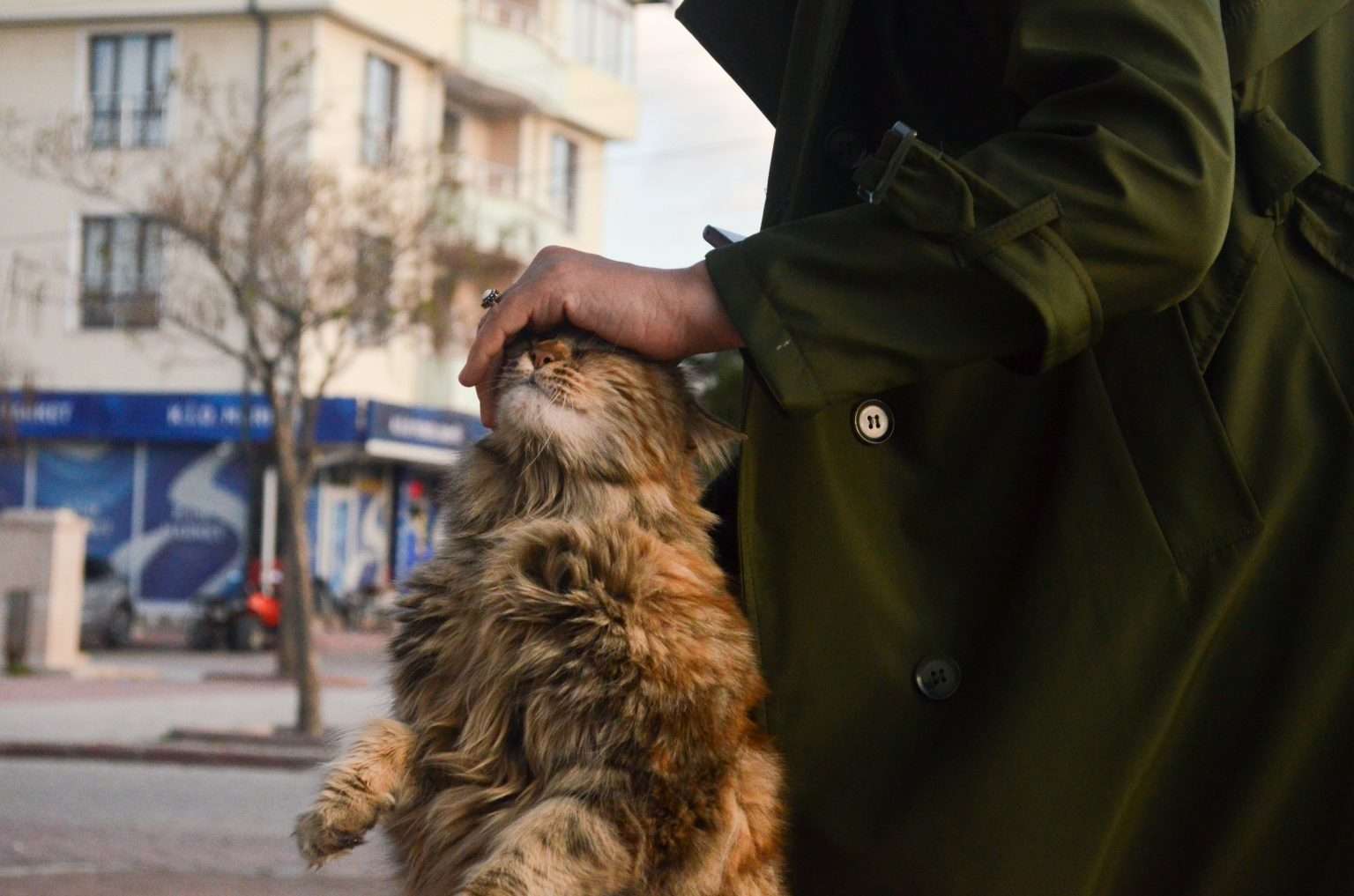
Cats are beloved companions, and close contact with their owners is an important part of everyday life. However, sharing a home with humans can sometimes expose cats to infectious diseases caused by viruses, bacteria, fungi, and parasites.
- 1. Influenza: Can Humans Give the Flu to Cats?
- 2. COVID-19: Can Cats Catch It From Humans?
- 3. Ringworm: A Fungal Infection That Can Spread Between Humans and Cats
- 4. Bacterial Infections: Salmonella and Campylobacter
- 5. Antibiotic-Resistant Bacteria, Including MRSA
- 6. Gastrointestinal Infections and Other Shared Household Risks
- 7. How to Protect Your Cat From Human Infections
- Conclusion
Although many diseases pass from animals to humans, some infections can also spread from people to cats. This type of transmission is known as reverse zoonosis or anthroponosis.
Understanding how human-to-cat disease transmission occurs can help pet owners protect their cats while maintaining a healthy relationship with them. According to the Centers for Disease Control and Prevention (CDC), cats can occasionally become infected with influenza viruses from people.
In this guide, Cat CareHub explores common diseases that humans may transmit to cats, their warning signs, and practical ways to reduce infection risks.

1. Influenza: Can Humans Give the Flu to Cats?
Influenza is a viral respiratory infection that can affect both humans and animals. Although cats do not commonly catch seasonal influenza from their owners, human-to-cat transmission is possible.
An infected person may expose a cat through respiratory droplets released during coughing or sneezing. Close contact and contaminated surfaces may also contribute to transmission.
Common Symptoms
Cats infected with influenza viruses may develop:
- Sneezing and coughing.
- Nasal or eye discharge.
- Fever and reduced energy.
- Loss of appetite.
- Difficulty breathing in severe cases.
Most reported influenza infections in cats have caused mild illness, but some influenza viruses, including highly pathogenic avian influenza A(H5N1), can cause severe disease.
How to protect your cat: If you have the flu, avoid coughing or sneezing near your pet, wash your hands before handling food bowls, and temporarily reduce close face-to-face contact.
If your cat develops respiratory symptoms, contact a veterinarian rather than assuming it has caught your illness.
Learn more from the CDC’s guide to influenza in cats.
2. COVID-19: Can Cats Catch It From Humans?
COVID-19 is caused by the SARS-CoV-2 virus. Research has shown that infected people can transmit this virus to cats, usually through close contact.
Cats living with infected owners may become exposed when people cuddle, kiss, or sleep close to them. Nevertheless, most infected pets experience mild illness or no noticeable symptoms.
Signs to Watch For
Possible symptoms include:
- Sneezing or coughing.
- Nasal discharge.
- Unusual tiredness.
- Reduced appetite.
- Vomiting or diarrhea in some cases.
These signs are not specific to COVID-19 and can indicate other feline health problems.
Prevention tips: If you have COVID-19, avoid kissing your cat, sharing food, or allowing it to lick your face. Whenever possible, ask another household member to provide close-contact care until you recover.
Do not abandon your cat because of COVID-19. Routine veterinary advice and sensible hygiene are generally sufficient to manage the risk.
For further information, consult the CDC’s animal health resources.
3. Ringworm: A Fungal Infection That Can Spread Between Humans and Cats
Ringworm, also called dermatophytosis, is a fungal skin infection rather than a disease caused by worms.
Although cats frequently transmit ringworm to humans, transmission can occur in the opposite direction. An infected person may expose a cat through direct skin contact or contaminated clothing, bedding, and household surfaces.
Kittens, older cats, and animals with weakened immune systems may be particularly vulnerable to infection.
Symptoms in Cats
Common warning signs include:
- Circular or irregular patches of hair loss.
- Scaly or crusty skin.
- Broken hairs.
- Redness or itching.
- Changes around the ears, face, or paws.
Some infected cats show few obvious signs while still spreading fungal spores.
Prevention tips: Avoid sharing contaminated bedding, wash your hands after handling affected skin, and clean surfaces regularly. If you suspect ringworm, arrange veterinary testing before starting treatment.
Ringworm can spread readily within households, so both affected people and animals may require treatment.
Read more in this Cornell Feline Health Center guide to zoonotic diseases.
4. Bacterial Infections: Salmonella and Campylobacter
Certain bacteria can pass between humans and cats. Two examples are Salmonella and Campylobacter, which can cause gastrointestinal illness.
Transmission may occur when an infected person contaminates food, water bowls, hands, or household surfaces. However, these infections can also originate from contaminated food, including raw animal products.
Cats fed raw diets may face additional exposure risks, and infected animals can sometimes spread bacteria without appearing seriously ill.
Possible Symptoms
An affected cat may experience:
- Diarrhea.
- Vomiting.
- Fever.
- Reduced appetite.
- Weakness or dehydration.

Young kittens and cats with existing health problems may be at greater risk of complications.
How to reduce the risk: Wash your hands thoroughly after using the toilet, handling raw meat, or cleaning your cat’s litter box. Keep food preparation areas separate from pet feeding areas, and avoid feeding raw meat diets.
Never give your cat human antibiotics or antidiarrheal medication without veterinary guidance.
For broader information about disease transmission between humans and animals, consult the MSD Veterinary Manual.
5. Antibiotic-Resistant Bacteria, Including MRSA
Methicillin-resistant Staphylococcus aureus (MRSA) is a type of bacteria resistant to several commonly used antibiotics.
Humans carrying MRSA can sometimes transmit the bacteria to their pets through direct contact. Cats may carry the organism without showing signs of illness, although infections can occur.
Potential Warning Signs
Depending on the affected area, symptoms may include:
- Skin redness or swelling.
- Pus or discharge from wounds.
- Persistent skin infections.
- Wounds that heal slowly.
- Fever or reduced activity in more serious cases.
Prevention tips: Keep wounds covered, wash your hands before handling your cat, and avoid allowing pets to lick infected skin or dressings.
If your cat develops a persistent wound or skin infection, consult a veterinarian. Laboratory testing may be needed to identify the bacteria and determine which antibiotics are appropriate.
Antibiotic resistance makes professional diagnosis particularly important.
6. Gastrointestinal Infections and Other Shared Household Risks
Close living conditions can expose cats to microorganisms associated with human gastrointestinal infections. In some circumstances, pathogens may spread through contaminated hands, food bowls, water, or surfaces.
However, not every stomach infection in a cat comes from its owner. Contaminated food, environmental exposure, parasites, and infections acquired from other animals are also possible causes.
Symptoms That Need Attention
Watch for persistent diarrhea, repeated vomiting, poor appetite, unusual tiredness, or signs of dehydration.
If you experience a gastrointestinal illness, practise careful handwashing before preparing your cat’s meals. Clean food and water bowls regularly, and avoid sharing utensils or food that has been contaminated.
If symptoms develop in your cat, a veterinarian can determine whether testing or treatment is necessary.
7. How to Protect Your Cat From Human Infections
Preventing human-to-cat disease transmission does not require avoiding your pet. Instead, focus on hygiene, responsible pet care, and recognizing when illness requires attention.
Follow these practical recommendations:
Wash your hands regularly. Clean your hands before feeding your cat and after handling tissues, bodily fluids, or potentially contaminated objects.
Limit close contact when sick. If you have a contagious respiratory infection, avoid kissing your cat or breathing directly into its face.
Keep your cat’s environment clean. Regularly wash food bowls, clean bedding, and maintain a hygienic litter box.
Avoid raw animal products. Raw meat, unpasteurized milk, and raw pet food can expose cats to dangerous pathogens. Properly cooked, nutritionally complete cat food is a safer option.
Schedule regular veterinary checkups. Preventive examinations help identify health problems early and keep vaccinations and parasite control up to date.
Seek veterinary advice when symptoms appear. Difficulty breathing, collapse, severe weakness, or repeated vomiting requires urgent veterinary attention.
For additional guidance, visit the American Animal Hospital Association’s information on zoonoses and human safety.
“If man could be crossed with the cat it would improve man, but it would deteriorate the cat.”
Mark Twain
Conclusion
Cats can occasionally catch infectious diseases from their owners, particularly through close contact, respiratory droplets, contaminated surfaces, or shared environments. Influenza, COVID-19, ringworm, certain bacterial infections, and MRSA are examples of infections that may pass from humans to cats under specific circumstances.
However, the risk varies considerably between pathogens, and not every infection can spread in both directions.
The best protection is simple: practise good hygiene, reduce close contact when you are ill, feed your cat safe and balanced food, and seek veterinary advice when symptoms develop.
By understanding diseases cats can catch from humans, pet owners can make informed decisions that protect feline health without compromising the companionship they enjoy.