
A consistent daily cat care routine helps your cat stay healthy, comfortable, active, and emotionally secure. Although cats are naturally independent, they still rely on their owners for balanced nutrition, clean water, hygiene, exercise, mental stimulation, and a safe environment.
The most effective routine does not need to be complicated. Small habits performed consistently can help you notice health changes early while also strengthening the bond between you and your cat.
1. Start the Day With a Basic Health Check
Begin each morning by spending a few minutes observing your cat before feeding or playing. Look for changes in appetite, energy, movement, posture, grooming, and general behavior.
Cats often hide signs of illness, so subtle changes can be important. A cat that suddenly becomes withdrawn, stops grooming, sleeps much more than usual, or shows difficulty moving may need closer observation.
Fresh water should always be available. Wash the bowl regularly and replace old water with clean water. Some cats drink more readily from a fountain, while others prefer a simple, wide bowl.
Breakfast should consist of a complete and balanced cat food appropriate for your cat’s age and nutritional needs. Measure portions rather than filling the bowl repeatedly throughout the day, as uncontrolled feeding can contribute to excess weight.
If you change foods, make the transition gradually. Sudden dietary changes may cause digestive upset in some cats.
A useful daily habit is to notice how much your cat actually eats. Persistent appetite loss, especially when accompanied by other behavioral changes, deserves veterinary attention.
2. Include Play, Exercise, and Mental Stimulation
After eating, give your cat opportunities for movement and exploration. Indoor cats particularly benefit from regular play because they may have fewer opportunities to express natural hunting behaviors.
Interactive toys such as wand toys, balls, tunnels, and food puzzles can encourage behaviors including chasing, stalking, climbing, and problem-solving.
Several short play sessions are often easier to incorporate into a cat’s day than one long session. Rotate toys every few days to prevent boredom.
Your cat’s environment should also include appropriate resting and activity areas, such as:
- Scratching posts and pads
- Secure climbing or elevated resting areas
- Window perches
- Tunnels and hiding spaces
- Safe interactive toys
- Puzzle or food-dispensing feeders
Mental stimulation is not simply entertainment. Enrichment allows cats to perform behaviors that are part of normal feline life and may help reduce boredom and frustration.
Never leave toys with loose strings, small detachable parts, or damaged components where your cat could swallow them.
3. Make Hygiene and Grooming Part of the Routine
Daily cat care should include litter box maintenance. Remove feces and urine clumps regularly and keep the surrounding area clean.
The number of litter boxes can also affect comfort. A commonly used guideline is one box per cat plus one additional box, although household circumstances and individual preferences should be considered.
Place litter boxes in quiet, accessible locations. Avoid putting them directly beside food and water.
Litter box cleaning also provides an excellent opportunity to monitor your cat’s health. Changes in urine amount, stool consistency, frequency of elimination, or repeated attempts to use the box may be worth discussing with a veterinarian.
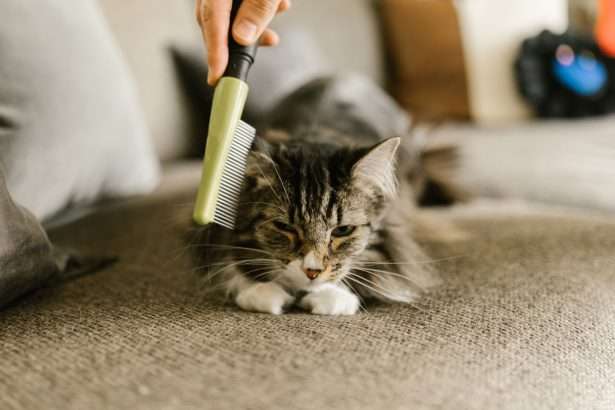
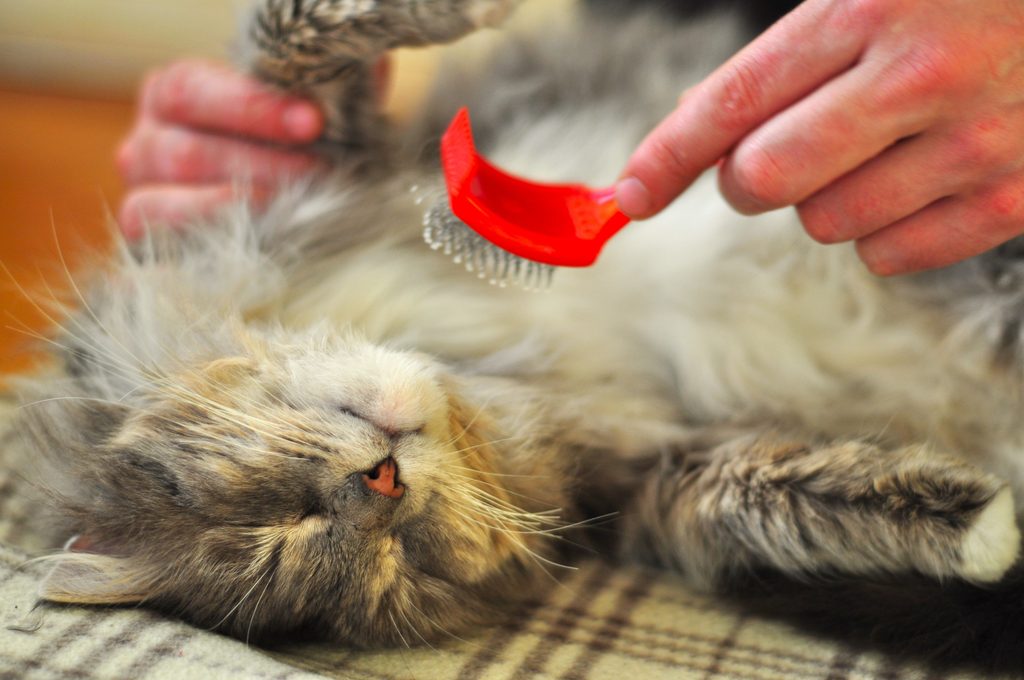
Grooming requirements depend on coat type. Short-haired cats may need less brushing, while long-haired cats often require more frequent attention to prevent mats and excessive loose hair.
During brushing, gently check the skin for:
- Redness or swelling
- Wounds or scabs
- Fleas or other parasites
- Unusual lumps
- Areas of hair loss
- Signs of irritation
Do not force grooming if your cat becomes frightened. Short, calm sessions with positive reinforcement can make grooming easier over time.
Nail trimming does not necessarily need to occur every day. Instead, check the claws periodically and seek professional guidance if you are unsure how to trim them safely.

4. End the Day With Interaction and Safety Checks
Evening is a useful time for another short play session and some quiet companionship. The type of interaction should depend on your cat’s personality. Some cats enjoy petting, while others prefer sitting beside their owners or playing with a toy.
Respect your cat’s signals. Walking away, flattened ears, repeated tail flicking, or tense body language may indicate that your cat wants space.
Weight monitoring should also be part of long-term cat health care. You do not need to weigh your cat every day, but regular checks can help identify gradual weight gain or unexplained weight loss.
Pay attention to changes in:
- Drinking and urination
- Appetite
- Mobility
- Sleeping patterns
- Grooming habits
- Vocalization
- Social behavior
- Litter box use
Older cats may require particularly careful observation because some health problems develop gradually.
Finally, perform a quick safety check around the home. Keep medications, cleaning products, toxic plants, dangerous foods, small objects, and chemicals away from your cat. Secure windows and balconies, and prevent access to unsafe electrical cords or unstable objects.
If your cat goes outdoors, additional risks such as traffic, parasites, infectious diseases, predators, and extreme weather should be considered.
The Key to a Successful Cat Care Routine
The best daily cat care routine is one that is simple enough to maintain consistently. Your cat does not need an elaborate schedule every day. What matters most is providing reliable nutrition, fresh water, clean facilities, appropriate activity, enrichment, observation, and affection.
A few minutes of attentive care each day can also help you recognize changes before they become obvious. When combined with regular veterinary examinations, a consistent home routine provides a strong foundation for your cat’s long-term health and well-being.