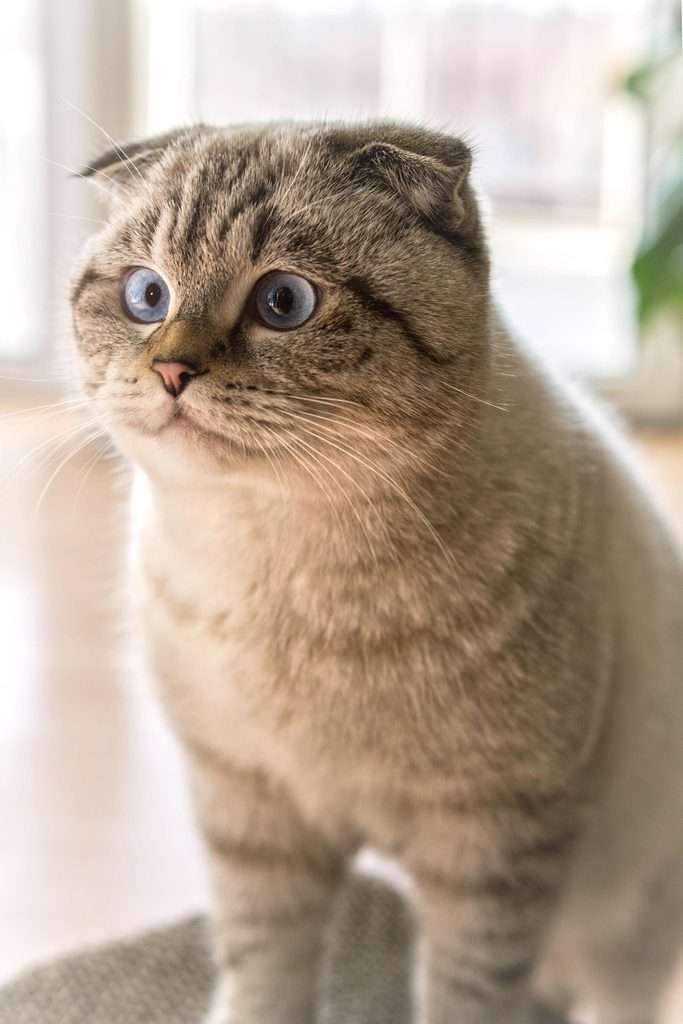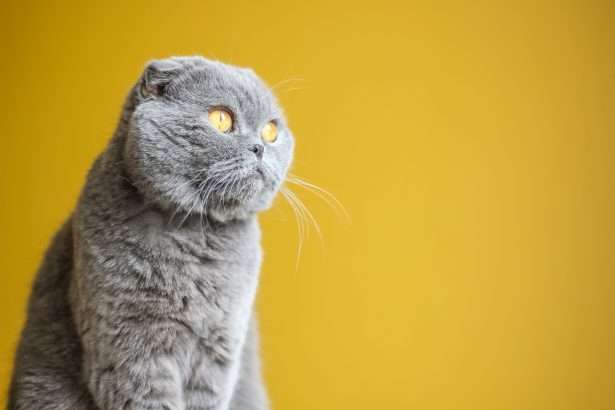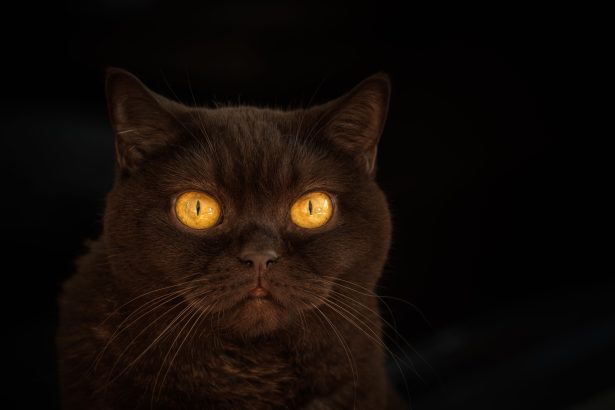
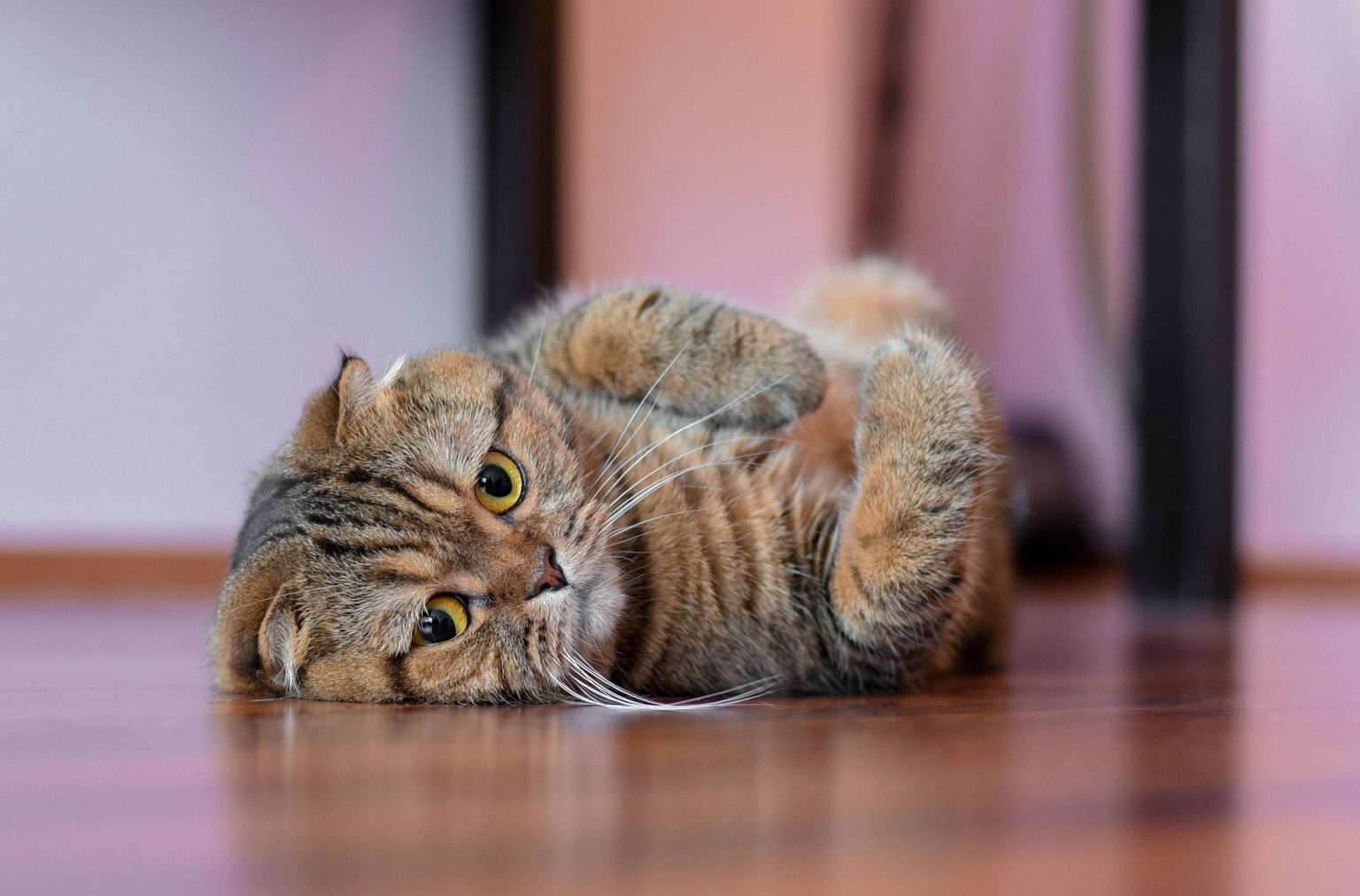
Scottish Fold cats are easy to recognize thanks to their round faces, large expressive eyes, and distinctive folded ears. They are generally affectionate, quiet, playful, and strongly attached to their families. However, the same genetic mutation responsible for their folded ears can also affect cartilage and bones, making health and responsible breeding especially important.
If you are considering bringing a Scottish Fold into your home, understanding its personality, genetics, health needs, and daily care will help you provide a safer and happier life.
Scottish Fold History and Appearance
From a Scottish Farm to a Popular Breed
The history of the Scottish Fold began in 1961 with a white barn cat named Susie, discovered near Coupar Angus in Perthshire, Scotland. Susie had naturally folded ears caused by a genetic mutation. Some of her kittens inherited the same feature, and breeders later developed the Scottish Fold using cats such as British Shorthairs and American Shorthairs.
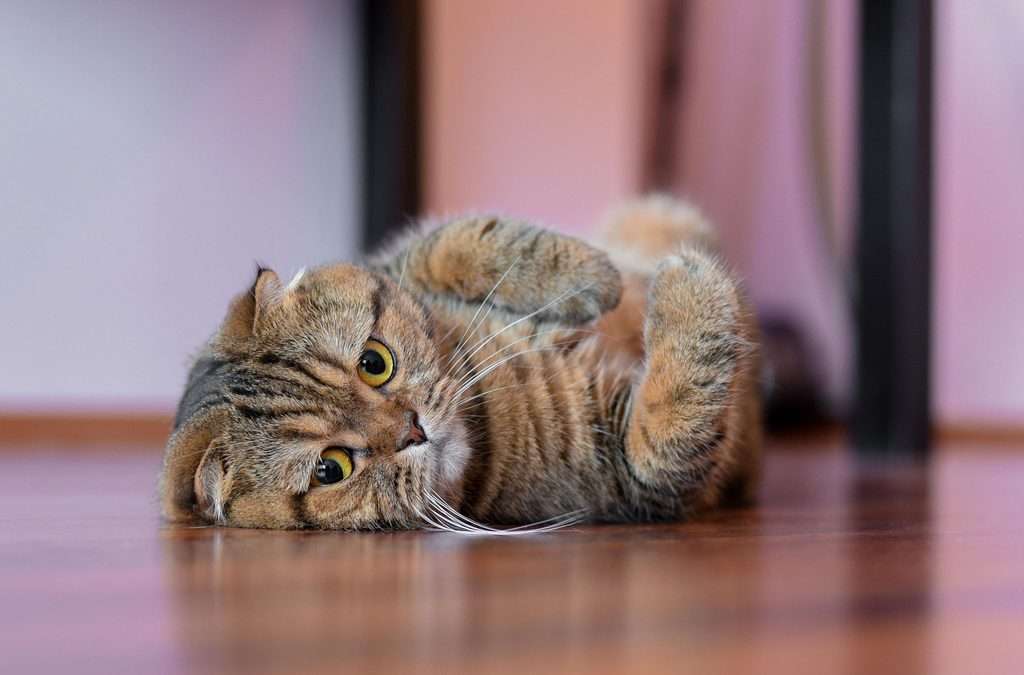
Today, Scottish Folds are recognized for their rounded head, compact body, large eyes, and ears that fold forward. Not every kitten from a Scottish Fold breeding program develops folded ears. Those with straight ears are commonly called Scottish Straights.
Coat, Size and General Characteristics
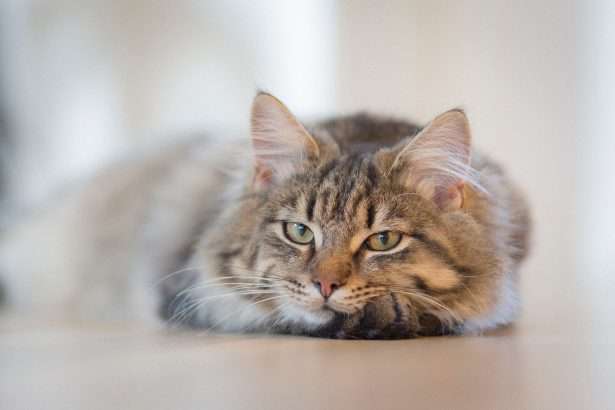
Scottish Folds can have short or long coats, with the long-haired variety often called the Highland Fold. Their eye color can vary according to coat color and pattern.
Adult males commonly weigh around 9–13 pounds (4–6 kg), while females are usually smaller. With appropriate care, many Scottish Folds can live around 11–15 years.
Their coat is not hypoallergenic, so they may not be suitable for people who are sensitive to cat allergens.
Scottish Fold Personality and Genetics
Temperament and Everyday Behavior
Scottish Folds are often described as gentle, adaptable, and affectionate. They usually enjoy being close to their owners without constantly demanding attention. Many will quietly follow family members around the house and settle nearby.
They tend to communicate with soft meows, chirps, and purrs. Their unusual sitting habits are also part of their charm. Some Scottish Folds sit upright on their hind legs, sometimes called the “Buddha position,” while others stretch their back legs behind them.
With proper socialization, many can adapt well to children, other cats, and cat-friendly dogs.
Why the Folded Ears Need Special Attention
The folded ears result from a genetic mutation that affects cartilage development. Scottish Fold kittens are normally born with straight ears, with the fold becoming noticeable during the first few weeks of life.
The important point for potential owners is that this mutation does not affect only the ears. It can also influence cartilage and bone development throughout the body. This is why responsible breeding and veterinary care are particularly important with this breed.
Scottish Fold Health and Daily Care
Osteochondrodysplasia and Joint Health
Scottish Fold osteochondrodysplasia is a major health concern associated with the gene responsible for folded ears. The severity can vary, but affected cats may develop abnormal bone and cartilage development, joint stiffness, arthritis, or mobility problems.
Owners should watch for signs such as a stiff tail, reluctance to jump, an unusual gait, limping, or difficulty moving. A cat that suddenly becomes less active or avoids activities it previously enjoyed should be examined by a veterinarian.
Keeping a Scottish Fold at a healthy weight is particularly important because excess weight places additional stress on the joints. Your veterinarian can also advise you about appropriate pain management, diet, exercise, or supplements when needed.
Grooming, Food and Home Environment
Scottish Folds need regular grooming. Short-haired cats usually benefit from brushing once or twice a week, while long-haired cats may need brushing several times a week to reduce tangles and mats.
Check the ears regularly for wax, dirt, redness, or unusual discharge. Clean only the visible outer areas with a veterinarian-approved ear cleaner and avoid putting cotton swabs deep into the ear canal. Nails should also be trimmed regularly.
A complete and balanced cat food should provide adequate animal-based protein and essential nutrients. Measure portions carefully because maintaining a healthy body weight is important for joint health. Fresh water should always be available, and wet food can be useful for increasing water intake.
At home, comfortable resting areas and easy access to favorite places can make daily life easier. Ramps or low steps may help cats that have difficulty jumping.
Choosing a Scottish Fold Responsibly
Buying or Adopting
If you decide to get a Scottish Fold, look for an ethical breeder who is transparent about the breed’s genetic and health concerns. Ask about veterinary examinations, breeding practices, and the health history of the parents rather than choosing a kitten based only on appearance.
Adoption is another option. Shelters and breed-specific rescue organizations may occasionally have Scottish Folds or Scottish Straights looking for homes.
The purchase price of a pedigree kitten can vary considerably depending on location, breeder, pedigree, and other factors, so prospective owners should also budget for routine veterinary care, quality food, grooming, and possible medical expenses.
Frequently Asked Questions
Do Scottish Straight cats have the same genetic problem?
Scottish Straights do not have the characteristic folded ears, but their exact genetic status depends on their breeding history. They are generally not affected by the same fold-associated cartilage mutation when they do not carry the fold variant. A veterinarian or responsible breeder can provide more specific information about an individual cat.
Do Scottish Fold ears need regular cleaning?
The ear shape can make routine inspection important. Check the ears regularly and look for excessive wax, redness, odor, or discharge. If you notice abnormalities, seek veterinary advice rather than treating an ear problem yourself.
Why is Scottish Fold breeding controversial?
The same genetic mutation that creates the breed’s distinctive ears can also affect cartilage and bone development. This has led to ethical concerns about deliberately breeding for the folded-ear trait. Breeding practices and registration policies also vary between countries and cat organizations.
Is a Scottish Fold a good family cat?
Many Scottish Folds are affectionate, calm, and adaptable, making them suitable for families that can meet their needs. However, their potential joint and cartilage problems mean that prospective owners should consider the breed’s health issues as carefully as its appearance and personality.