
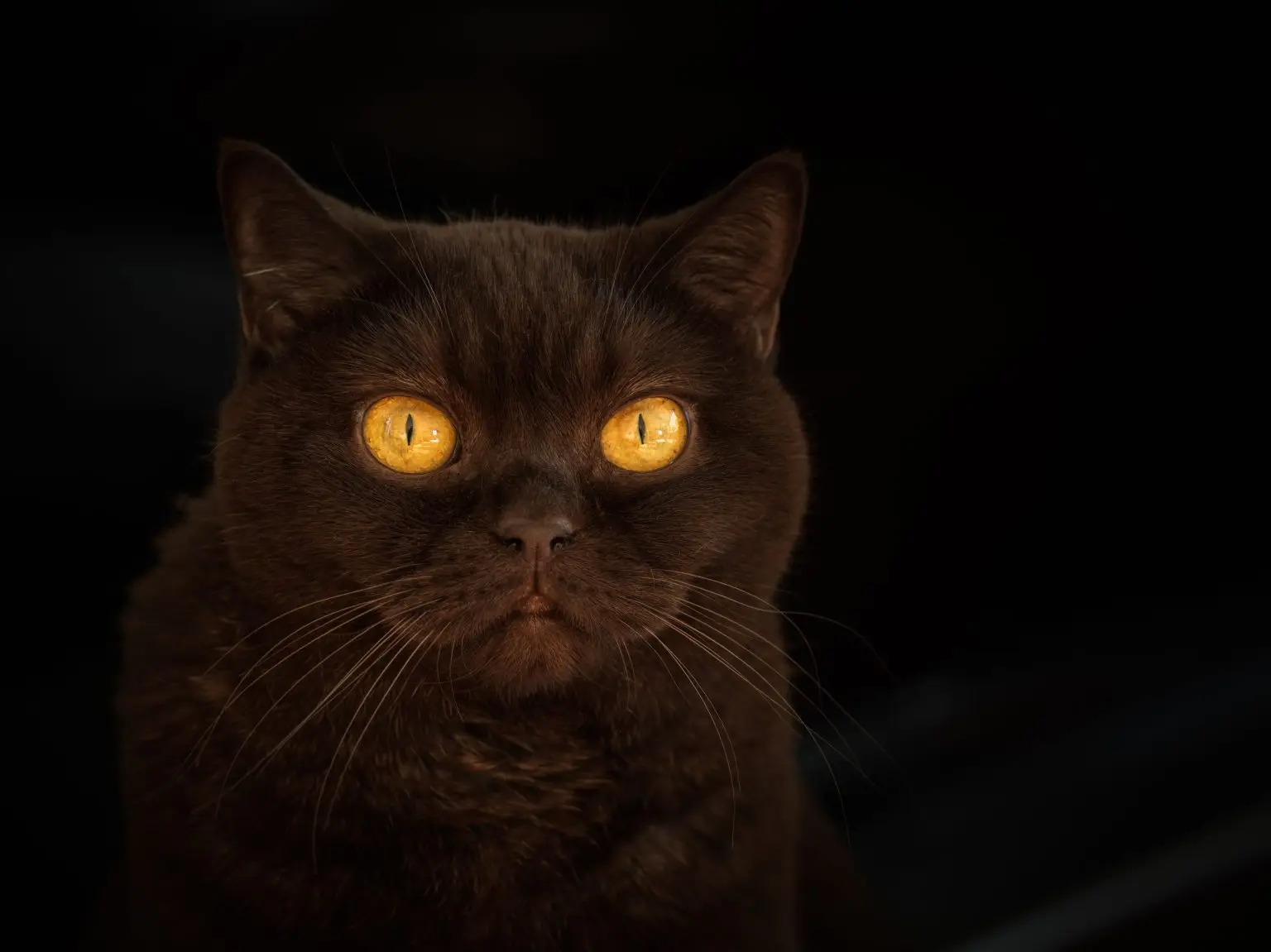
Brown British Shorthair Complete Guide to Personality, Care and Health
The Brown British Shorthair is a striking variation of one of the world’s best-known cat breeds. With its plush coat, rounded face, sturdy body, and calm personality, the British Shorthair has earned a reputation as a dependable and affectionate companion. Brown-coated cats are especially eye-catching, thanks to their warm, rich coloring and teddy-bear appearance.
- What Does a Brown British Shorthair Look Like?
- Brown British Shorthair Personality
- Exercise and Mental Stimulation
- Brown British Shorthair Grooming
- Feeding a Brown British Shorthair
- Brown British Shorthair Health
- Choosing a Brown British Shorthair Kitten
- Living With a Brown British Shorthair
- Introducing a Brown British Shorthair to Other Pets
- How Much Does a Brown British Shorthair Cost?
- Is a Brown British Shorthair Right for You?
- Final Thoughts
But there is much more to these cats than their beautiful looks. If you are considering a Brown British Shorthair kitten, it is important to understand the breed’s temperament, grooming needs, nutrition, exercise requirements, health considerations, and everyday care.
This guide explores what makes the Brown British Shorthair special and what prospective owners should know before bringing one home.
What Does a Brown British Shorthair Look Like?
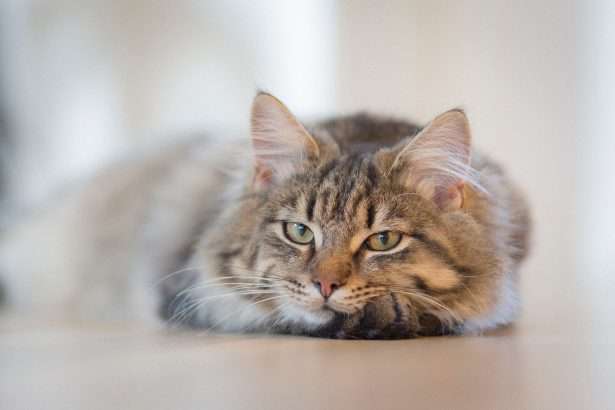
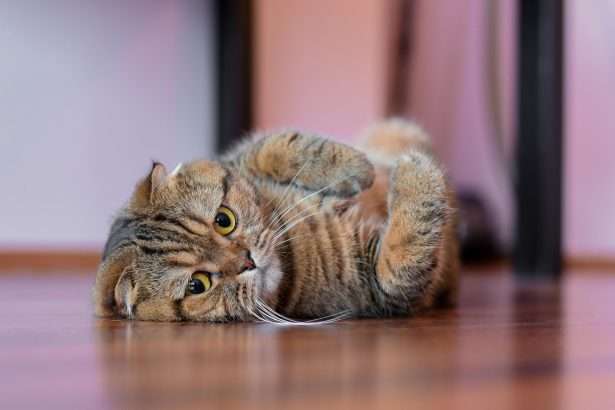
The British Shorthair is famous for its rounded appearance. It typically has a broad head, full cheeks, large round eyes, a short nose, and relatively small ears. Combined with its dense coat and substantial body, these features give the breed its characteristic teddy-bear look.
A Brown British Shorthair adds a warm and distinctive color to this familiar appearance. Depending on the cat’s genetics and recognized color classification, brown coloring can vary in tone and pattern. Some cats may have deep, rich shades, while others may display patterned coats such as brown tabby markings.
The breed’s body is compact but powerful, with a broad chest, strong legs, and substantial bones. Because the coat is so dense, a mature British Shorthair can sometimes appear heavier than it actually is.
Eye color can also vary depending on the specific coat color and genetic background. Copper, gold, orange, and green shades may occur in different British Shorthair varieties.
The Famous British Shorthair Coat
One of the breed’s most recognizable characteristics is its dense, short coat. Unlike the sleek coat of some other short-haired cats, British Shorthair fur has a crisp, plush texture and tends to stand slightly away from the body.
This dense coat contributes significantly to the breed’s rounded appearance. It also means that regular grooming remains useful even though the breed does not have long hair.
If you are looking at a Brown British Shorthair kitten, remember that a kitten’s appearance can develop as it grows. Coat color, eye color, body shape, and overall proportions may change during maturation. For this reason, health, temperament, socialization, and general condition should be considered alongside appearance when choosing a kitten.
Brown British Shorthair Personality
The British Shorthair personality is one of the main reasons people are attracted to the breed. These cats are generally described as calm, patient, intelligent, and affectionate without being overly demanding.
A British Shorthair may enjoy sitting beside you on the sofa, following you around the house, or relaxing in the same room while you work. However, many individuals are not particularly interested in being carried around or constantly held.
This independent but affectionate nature can make the breed appealing to people who want a companion that enjoys human company without requiring attention every minute of the day.
British Shorthairs are also generally relatively quiet. Instead of constantly meowing, they may communicate through soft vocalizations, purring, chirping, facial expressions, and body language.
Of course, personality varies from one cat to another. Genetics, early socialization, previous experiences, and the home environment can all influence behavior.
Are Brown British Shorthairs Good Family Cats?
They can adapt well to family life when they are treated respectfully and given appropriate space.
Children should be taught that cats are not toys. Pulling a cat’s tail, chasing it, disturbing it while sleeping, or forcing it to be held can create stress even in a patient cat.
A Brown British Shorthair should always have access to a quiet place where it can rest undisturbed. This is particularly important in busy households.
Exercise and Mental Stimulation
The British Shorthair is not usually considered one of the most energetic cat breeds, but that does not mean it should lead a completely inactive lifestyle.
Regular play helps maintain muscle tone, supports a healthy body weight, and provides mental stimulation. Short play sessions throughout the day can work particularly well.
Useful forms of enrichment include:
- Interactive toys
- Feather wands
- Balls and chase toys
- Puzzle feeders
- Scratching posts
- Cat trees and climbing areas
- Food-based games
- Safe window perches
Puzzle toys can be particularly useful because they encourage cats to use natural behaviors such as searching, batting, stalking, and problem-solving.
Because British Shorthairs can have a relatively relaxed lifestyle, owners should pay attention to activity levels and body condition. A cat that spends most of the day sleeping and receives too many calories can gradually gain excess weight.
Brown British Shorthair Grooming
Brown British Shorthair care is relatively straightforward. The breed’s short coat does not normally require the intensive grooming routine associated with long-haired cats.
However, regular brushing is still beneficial.
Brushing once or twice a week can help remove loose hair and reduce the amount of fur shed around the home. During periods of heavier seasonal shedding, some cats may benefit from more frequent brushing.
Grooming also provides an opportunity to check the skin for irritation, unusual lumps, wounds, or other changes.
Dental Care
Dental hygiene is another part of responsible cat care that should not be overlooked.
Cats can develop plaque, tartar, and periodontal disease when oral hygiene is neglected. If possible, introduce tooth brushing gradually using toothpaste and equipment specifically designed for cats.
Depending on the individual cat’s needs, veterinary dental care, appropriate dental products, or professional cleanings may also be recommended.
Nail Care
Nails should be checked regularly and trimmed when necessary. A scratching post should also be available so the cat can express normal scratching behavior.
A good scratching surface can protect furniture while providing useful physical and mental enrichment.
Feeding a Brown British Shorthair
Nutrition plays an important role in keeping a Brown British Shorthair healthy.
Because British Shorthairs have a sturdy build and may be less active than some other breeds, portion control is particularly important. Regularly providing more calories than the cat needs can lead to gradual weight gain.
A complete and balanced cat food appropriate for the cat’s life stage should form the foundation of the diet.
Brown British Shorthair Kitten Diet
Kittens have different nutritional requirements from adult cats because they are growing rapidly. A food specifically formulated for kittens can provide the nutrients needed during this stage.
As the cat matures, its nutritional needs change. Feeding amounts should therefore be adjusted according to age, body condition, activity level, and veterinary guidance.
Fresh drinking water should always be available.
Some cats prefer running water or wider, shallow bowls, so owners can try different options if their cat does not seem interested in drinking enough.
Treats can be useful for training and bonding, but they should remain a small part of the overall diet rather than replacing nutritionally complete meals.
Brown British Shorthair Health
The British Shorthair health profile is generally considered good, but no pedigree breed is completely free from health concerns.
One condition that may be relevant to British Shorthairs is hypertrophic cardiomyopathy (HCM), a disease involving abnormal thickening of the heart muscle. Responsible breeding programs may use veterinary screening and appropriate testing to help identify health risks in breeding cats.
Obesity is another important consideration. A cat that consumes too many calories without sufficient activity can develop excess body weight, which may negatively affect overall health and mobility.
Routine veterinary examinations are therefore an important part of responsible ownership.
Preventive care may include:
- Regular veterinary checkups
- Vaccinations according to veterinary recommendations
- Parasite prevention
- Dental examinations
- Weight and body-condition monitoring
- Age-appropriate health screening
If your cat develops a noticeable change in appetite, behavior, activity, breathing, digestion, or general appearance, veterinary advice should be sought rather than assuming the change is simply part of the breed’s personality.
Choosing a Brown British Shorthair Kitten
If you are planning to buy or adopt a Brown British Shorthair kitten, appearance should not be the only factor guiding your decision.
A responsible breeder should prioritize health, welfare, temperament, and proper socialization rather than focusing exclusively on unusual or attractive coat colors.
Before purchasing a kitten, prospective owners can ask about:
- The kitten’s parents
- Veterinary records
- Vaccinations
- Health screening
- Socialization
- Living conditions
- Pedigree or registration where applicable
- Any known health concerns within the breeding line
A healthy kitten will generally appear alert, curious, clean, active, and appropriately responsive to its surroundings.
Signs such as persistent diarrhea, breathing difficulty, significant weakness, discharge from the eyes or nose, poor coat condition, or extreme lethargy should not be ignored.
A very fearful kitten may also need additional time and careful socialization, so prospective owners should consider temperament rather than choosing solely based on color or appearance.
Living With a Brown British Shorthair
One of the advantages of the breed is its ability to adapt to different home environments.
A Brown British Shorthair can live comfortably in an apartment or a larger house as long as it has adequate stimulation, resting areas, scratching surfaces, and opportunities for play.
Indoor living can protect cats from hazards such as traffic accidents, fights with other animals, parasites, and certain infectious diseases.
If outdoor access is provided, a secure enclosed area such as a catio can offer stimulation while reducing many of the risks associated with unrestricted outdoor roaming.
Inside the home, consider providing several different types of resources:
- Comfortable sleeping areas
- Scratching posts
- Vertical climbing spaces
- Interactive toys
- Puzzle feeders
- Window views
- Quiet hiding places
These resources allow the cat to choose between activity, exploration, and privacy.
Introducing a Brown British Shorthair to Other Pets
British Shorthairs can potentially live with other cats or dogs, but introductions should be handled carefully.
Immediately placing unfamiliar animals together can create unnecessary stress. A gradual introduction is usually a better approach.
This may involve keeping the new cat in a separate area initially, allowing the animals to become familiar with each other’s scents, and eventually arranging short, supervised interactions.
Positive reinforcement can help create pleasant associations during the introduction process.
Every animal is different, so the pace should be adjusted according to their behavior rather than following a rigid timetable.
How Much Does a Brown British Shorthair Cost?
The cost of a Brown British Shorthair can vary significantly.
Factors that may influence the price include location, breeder reputation, pedigree, bloodline, registration, health testing, age, and whether the cat is being sold as a pet, breeding cat, or show prospect.
Coat color can also influence pricing in some markets. However, buyers should be cautious about paying a premium simply because a particular color is considered unusual or fashionable.
The initial purchase price is only one part of the financial commitment.
Future expenses can include:
- Quality cat food
- Litter
- Veterinary examinations
- Vaccinations
- Parasite prevention
- Grooming supplies
- Toys and enrichment
- Scratching equipment
- Dental care
- Pet insurance where available
- Emergency veterinary treatment
Before bringing a kitten home, it is wise to consider the long-term cost of caring for a cat rather than focusing only on the purchase price.
Is a Brown British Shorthair Right for You?
The Brown British Shorthair can be an appealing companion for people who appreciate a calm, affectionate cat with a distinctive appearance.
Its plush coat, rounded features, sturdy body, and generally relaxed personality have helped make the British Shorthair popular with a wide range of cat owners.
However, the breed should not be considered completely maintenance-free.
Like every cat, a Brown British Shorthair needs appropriate nutrition, veterinary care, grooming, exercise, mental stimulation, and a safe environment. Its independent nature also does not mean that it lacks affection.
Many British Shorthairs form strong bonds with their families and enjoy being close to their favorite people—just usually on their own terms.
Final Thoughts
The Brown British Shorthair combines the familiar characteristics of the British Shorthair with an attractive and distinctive coat color. Its teddy-bear appearance may be what first catches your attention, but its calm and independent personality is often what makes the breed so appealing over the long term.
Whether you are researching the breed before getting a kitten or simply want to understand more about these beautiful cats, it is important to look beyond appearance.
Good nutrition, responsible breeding, regular veterinary care, weight management, grooming, daily enrichment, and respectful handling all contribute to a healthier and happier life.
For the right household, a Brown British Shorthair can become a cherished companion and an important part of the family for many years.